Hair Extensions: Types, Fit, and Care Guide

Quick answer: Choose extensions by attachment, fiber, weight, color and texture match, maintenance, removal, and scalp comfort. Installation should not require persistent pain or excessive tension. This independent editorial page does not claim first-hand product testing, live commercial details, or universal outcomes.
Hair extensions are easier to choose when you compare the method, wear time, hair condition, maintenance routine, salon skill, comfort, and removal plan before booking. A good extension plan should add length or fullness without relying on tight tension, unclear aftercare, or a method that does not fit your natural hair and daily routine.
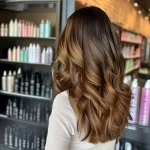
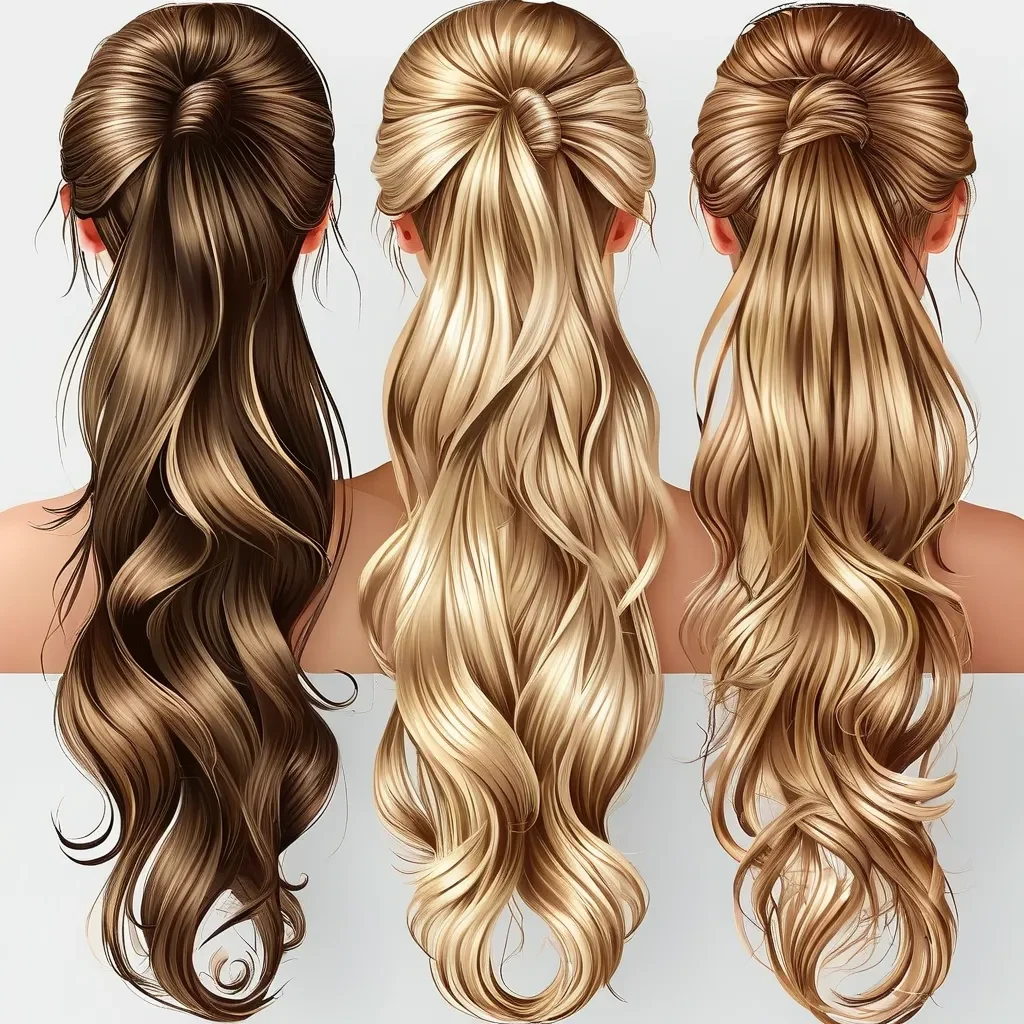 (Consider an image showcasing a luxurious, clean, and inviting salon interior.)
 (Consider an image of a stylist attentively consulting with a client.)
Quick Answer: How to Choose Hair Extensions
Choose clip-ins for occasional styling, tape-ins or sew-ins when you can keep regular salon maintenance, and individual bonded or beaded methods only when the stylist explains placement, tension, removal, and aftercare clearly. If your scalp feels painful during installation, the method or tension should be reassessed.
| Extension type | Best fit | Care level | Comfort note |
|---|---|---|---|
| Clip-in extensions | Occasional length or fullness | Low between wears | Remove before sleeping unless the product says otherwise |
| Tape-in extensions | Smoother daily length with salon upkeep | Medium | Placement should not pull at the roots |
| Sew-in or weave | Protective-style routines and fuller looks | Medium to high | Braids and tracks should not feel tight or sore |
| Micro-link or bead extensions | No-glue installs with strand placement | High | Beads should not pinch or tug when brushed |
| Bonded or keratin extensions | Longer-wear salon installs | High | Removal should be planned before installation |
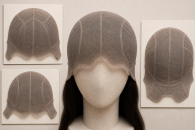
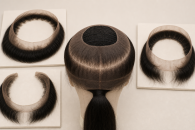
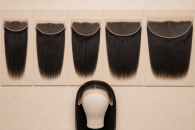
| Wigs or halo pieces | Fast style changes without strand attachment | Low to medium | Caps, bands, and clips should sit comfortably |
Salon Consultation Checklist
A salon consultation should cover more than color and length. Ask how the method attaches, how often it needs maintenance, how it will be removed, and what signs mean the install is too tight or not a good fit.
| Question | Why it matters | Useful answer |
|---|---|---|
| Which method fits my current hair? | Fine, dense, fragile, relaxed, natural, and color-treated hair need different planning | The stylist explains options and tradeoffs, not only one method |
| How much tension will be used? | Tight styles can stress the scalp and hairline | The install should feel secure, not painful |
| How often is maintenance needed? | Extensions shift as hair grows | You know the upkeep schedule before booking |
| How will removal work? | Poor removal can cause avoidable breakage | The salon explains timing, product, and technique |
| What products should I avoid? | Oils, heat, adhesive removers, or heavy buildup can affect some methods | Aftercare is specific to the extension type |
| What should I do if it hurts? | Pain is not a style requirement | The salon offers adjustment or removal guidance |
Maintenance Routine
Hair extensions need gentle handling because the attachment point is not the same as natural hair growing from the scalp. Maintenance depends on the method, but the basic routine is to reduce tangling, avoid heavy root stress, and keep the scalp accessible.
| Routine step | What to do | Why it matters |
|---|---|---|
| Brush gently | Start near the ends and support the attachment area | Reduces pulling on roots and bonds |
| Wash with care | Follow the stylist and product label directions | Prevents buildup without rough handling |
| Dry fully where needed | Do not leave dense tracks or roots damp for long periods | Helps keep the style comfortable and clean |
| Limit heavy tension | Avoid tight ponytails, buns, or pulled edges | Protects the hairline and tender areas |
| Book upkeep | Do not stretch maintenance far past the recommended timing | Grown-out attachments can tangle or pull |
| Plan removal | Use the correct method instead of cutting or forcing attachments out | Reduces avoidable breakage |
Warning Signs to Recheck
Extensions should not require ongoing pain, raw skin, or heavy pulling. If discomfort continues after installation, ask the stylist to recheck placement and tension rather than waiting for the scalp to adapt.
| Sign | Possible issue | Practical next step |
|---|---|---|
| Pain or tightness | Too much tension or placement too close to the scalp | Contact the salon promptly |
| Itching with buildup | Product residue or scalp access problem | Review cleansing routine and maintenance timing |
| Matting near roots | Delayed maintenance or rough handling | Do not pull it apart forcefully |
| Breakage around attachments | Too much stress or poor removal | Pause the method and reassess |
| Hairline soreness | Tight styling around edges | Loosen the style and avoid repeated tension |
| Product irritation | Adhesive, remover, cleanser, or styling product mismatch | Stop the product and follow label guidance |
Label, Product, and Hair-Care Safety
The American Academy of Dermatology publishes guidance on weaves, extensions, tight hairstyles, hair-care habits, and styling without damage. FDA cosmetics pages explain that cosmetic labels and product directions matter. For extensions, this means checking adhesives, removers, sprays, edge products, and cleansing products instead of treating every product as interchangeable.
- Read labels for adhesives, removers, cleansers, sprays, and styling products.
- Avoid styles that require pain, repeated tight pulling, or pressure along the hairline.
- Keep the scalp reachable enough to clean and monitor comfort.
- Use heat and brushing gently around attachment points.
- Do not share combs, clips, or install tools without proper cleaning.
- Get professional help for removal when the method requires it.
Best-Fit Scenarios
For occasional length
Clip-ins or halo pieces are often the simplest option because they can be worn for an event and removed afterward. They still need correct placement so clips do not pull on one section repeatedly.
For daily fullness
Tape-ins, sew-ins, or bead methods can add fullness, but they need maintenance. Choose this route only if the upkeep schedule fits your budget and routine.
For protective styling
Ask how much tension the foundation style requires and how your scalp will be cleaned. A protective style should not depend on tightness to look neat.
For fine hair
Fine hair may need lighter-weight pieces and careful placement. Heavy sections can create visible attachment points or pull on small amounts of natural hair.
For textured or coily hair
Discuss blending, leave-out care, and maintenance before installation. The method should fit your natural texture and the way you normally cleanse, detangle, and style.
Sources
- AAD: Prevent hair damage from a weave or extensions
- AAD: Hairstyles that pull can cause hair loss
- AAD: Healthy hair tips
- AAD: Habits that can damage hair
- AAD: Styling without damage
- FDA: Cosmetics
- FDA: Cosmetics labeling
FAQ
Which hair extensions are easiest to maintain?
Clip-ins are usually easiest for occasional wear because they can be removed after styling. Salon-installed methods can look smoother for daily wear, but they need regular upkeep and careful removal.
How do I know if hair extensions are too tight?
Hair extensions may be too tight if they cause pain, strong pulling, scalp soreness, bumps, or tenderness that does not settle quickly. Contact the stylist instead of waiting through ongoing discomfort.
Can extensions damage natural hair?
Extensions can contribute to breakage when they are too heavy, too tight, poorly maintained, or removed incorrectly. A lighter method, careful placement, and scheduled maintenance reduce avoidable stress.
Should I get extensions at a salon or install them at home?
Salon installation is better for methods that use bonds, beads, tape, sew-ins, or complex placement. At-home use is usually safer for simple temporary pieces when you can remove them without pulling.
What should I ask before booking hair extensions?
Ask about method, tension, maintenance timing, removal, product restrictions, total cost, and what to do if the install hurts. A clear consultation is more useful than choosing by length alone.
Related Beauty Supply Reviews guides
Continue with this related guide and this next-step guide. These links support reader navigation rather than a product, treatment, or outcome claim.
Core editorial sources
- https://www.aad.org/public/everyday-care/hair-scalp-care/hair/healthy-hair-tips
- https://www.aad.org/public/diseases/hair-loss/causes/hairstyles