Long Hair Styles: Low-Tension Ideas and Care

Quick answer: Useful long-hair styles include low ponytails, loose braids, half-up clips, low buns, twists, and heatless sets. Choose by texture, layers, time, tension, and removal. This independent editorial guide does not claim first-hand testing, does not diagnose or prescribe, and does not promise a particular result.
Match the style to texture, layers, and event
Straight, wavy, curly, coily, fine, dense, layered, and blunt long hair can need different anchors and preparation. Start with the required hold, movement, weather, duration, and visibility rather than a beauty adjective.
Use low-tension foundations
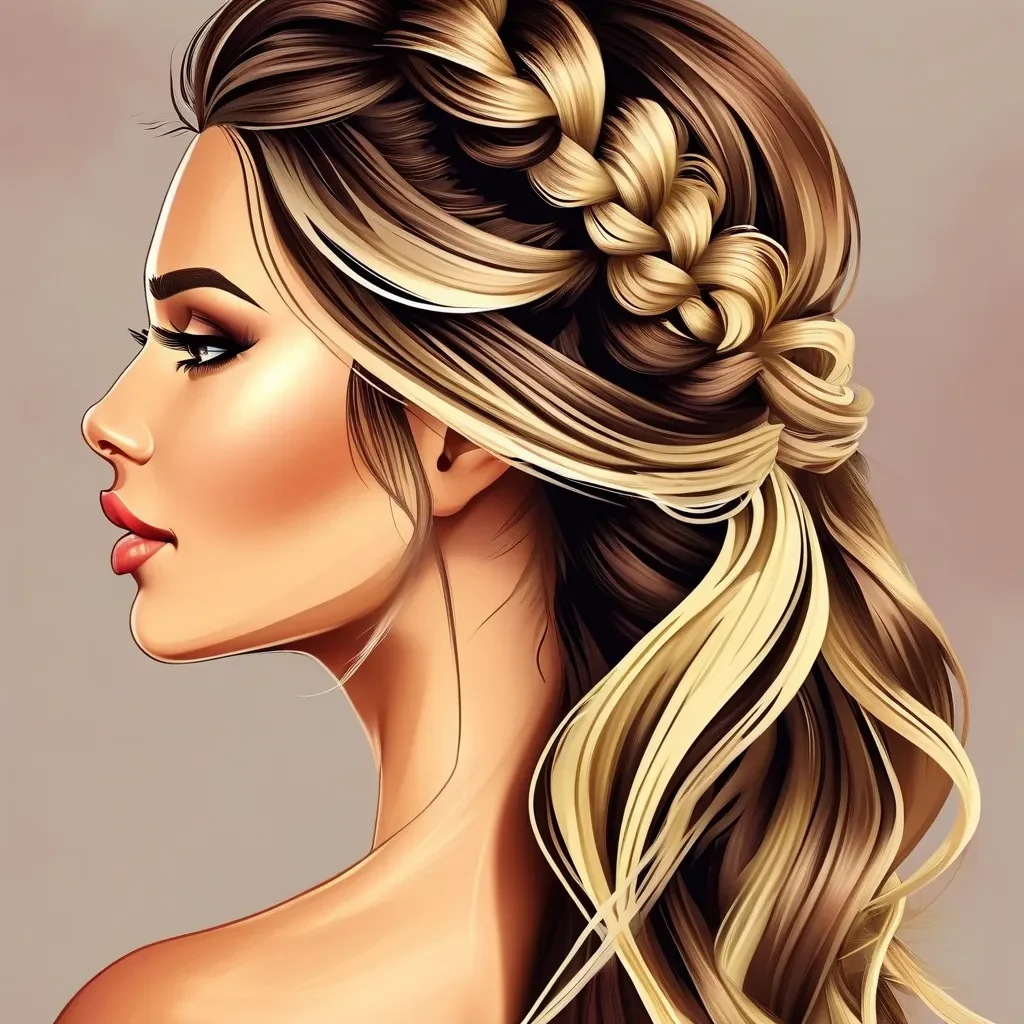
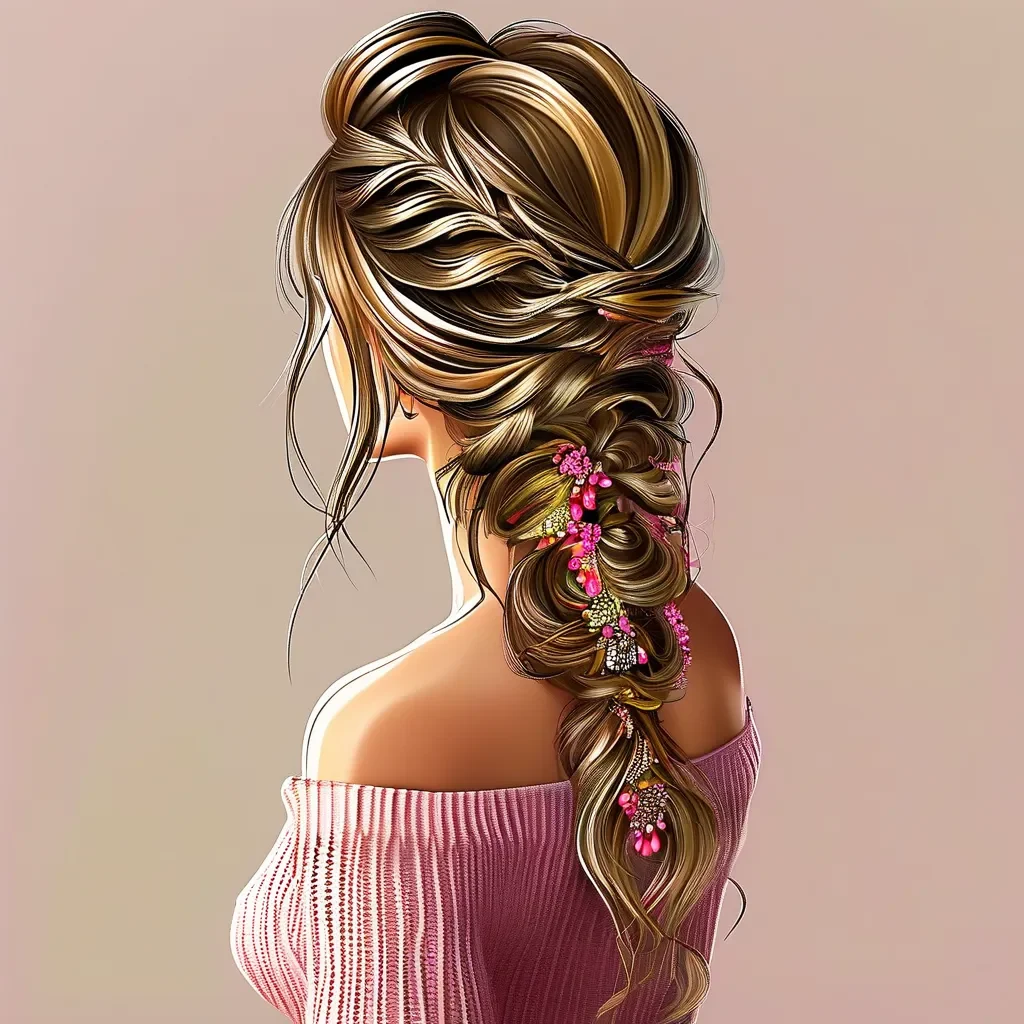
A low ponytail, loose braid, half-up clip, or low twist can provide structure without pulling every edge. Select smooth ties, pins, and clips and redistribute weight when the scalp feels sore or the style slides.
Treat heat and product as optional tools
Many shapes can be built with braiding, wrapping, rollers, or air-dried texture. If heat is used, follow tool and product directions and limit repeated passes. More hold product is not a substitute for secure sectioning.
Plan removal and variation
Remove pins, ties, and braids from the ends and outer layers inward without tearing through tangles. Rotate anchor locations and avoid repeating a painful high-tension style that stresses the same hairline or scalp area.
Use a style matrix instead of a numbered trend list
Sort ideas by four decisions: all-up or partly down, smooth or textured, centered or asymmetric, and temporary or multi-day. A low bun, crown braid, bubble ponytail, half-up twist, heatless wave set, and loose side braid solve different practical needs. A matrix helps adapt an idea to the real length and texture instead of treating twenty reference photographs as twenty personal forecasts.
Choose an all-down shape for movement
Long layers, a defined natural texture, a smooth blowout, or heatless waves keep the length visible. Consider weather, collar friction, tangling, and how often the hair must be moved away from the face. Product and heat are optional tools, not requirements. Follow device directions and use the lowest effective exposure rather than repeatedly passing heat over one section.
Choose a half-up shape for balance
A half-up ponytail, clipped twist, small braid, or top knot can open the face while leaving most length visible. Section from a comfortable point above the ears and test the anchor before decorating it. Thick or dense hair may need a larger clip; fine or layered hair may need a smaller section. Avoid tightening the crown merely to create more height.
Choose a ponytail by anchor height
Low ponytails reduce lift and can fit under hats or headrests. Mid-height ponytails provide movement without placing the anchor at the crown. High ponytails change the silhouette but can concentrate tension and weight. Use a smooth, appropriately sized tie and loosen any area that pulls. A wrapped strand is decorative and should not be pinned sharply against the scalp.
Choose a bun by how the length is distributed
A low coil, folded loop, braided bun, or loose top knot manages length differently. Spread the hair around a broad base rather than hanging all weight from a few pins. Short layers can remain soft instead of being forced flat. Test sitting, head movement, and removal before an event. A style that causes headache or scalp tenderness is not an acceptable fit.
Use braids for structure, not a protective guarantee
Three-strand, rope, Dutch, French, and fishtail patterns vary in sectioning and practice. The fishtail-braid guide covers one decorative pattern. Braiding does not guarantee protection when sections are tight, extensions are heavy, or hair is repeatedly handled. Keep edges comfortable and inspect for broken hairs or bumps around anchors.
Plan style architecture around layers
Long layers can add movement but make compact braids and buns release shorter pieces. Decide whether those pieces should frame the face, be softly pinned, or be controlled with a labeled styling product. The layered-hair guide provides shape context. Do not compensate for incompatible layers by applying excessive tension.
Match accessories to weight and surface
Inspect elastics, pins, combs, ribbons, and clips for rough seams, peeling coatings, sharp tips, and inadequate capacity. A small clip overloaded with long dense hair can spring open, while an oversized accessory may slide on fine hair. The hair-clip guide helps compare hinge, jaw, and sectioning uses. Remove accessories individually rather than pulling them through the length.
Design an event style around real wear conditions
Consider wind, humidity, dancing, headwear, travel, photographs, outfit collars, and the ability to make a small repair. Practice the complete style and note time, tools, comfort, and weak points. Carry only the accessory needed for a repair. A complex style may look controlled in one photograph but fail the wear, movement, or removal needs of the event.
Rotate repeated styles to distribute tension
The AAD warns that continuously pulling hairstyles may contribute to traction hair loss. Alternate anchor height, direction, and all-up versus loose styles. Watch the hairline and scalp for tenderness, bumps, broken hairs, or thinning. Persistent symptoms need a looser approach and professional assessment. Calling a style elegant or protective does not override the force it places on the hair.
Build a weekly long-hair style rotation
A practical rotation might pair one loose day, one low braid, one half-up clip, one low bun, and one event or heat-styled day, adjusted to washing and activity. This is a planning example, not a universal schedule. Track tangling, comfort, product buildup, and removal time. Keep the styles that fit the routine rather than continually adding new techniques.
Long-hair style planning checklist
- The style matches texture, layers, weather, event, and available time.
- The anchor distributes weight without pain or strained edges.
- Heat, product, and accessories have a specific purpose.
- Movement and removal are tested before extended wear.
- Repeated placement is rotated and scalp changes are monitored.
Related Beauty Supply Reviews guides
- How To Do A Fishtail Braid
- Perfect Homemade Layered Hair Tutorials
- Professional Beauty Salon Hair Clips Essential Tools
Editorial sources
- https://www.aad.org/public/everyday-care/hair-scalp-care/hair/healthy-hair-tips
- https://www.aad.org/public/diseases/hair-loss/causes/hairstyles