Cordless Heat Brush: Temperature and Hair-Fit Guide

Quick answer: Confirm the exact cordless heat-brush model before relying on a listing. Compare temperature control, heated-surface design, charging instructions, handling, hair condition, and cleaning needs. This independent editorial page does not claim first-hand product testing, live commercial details, or universal outcomes.
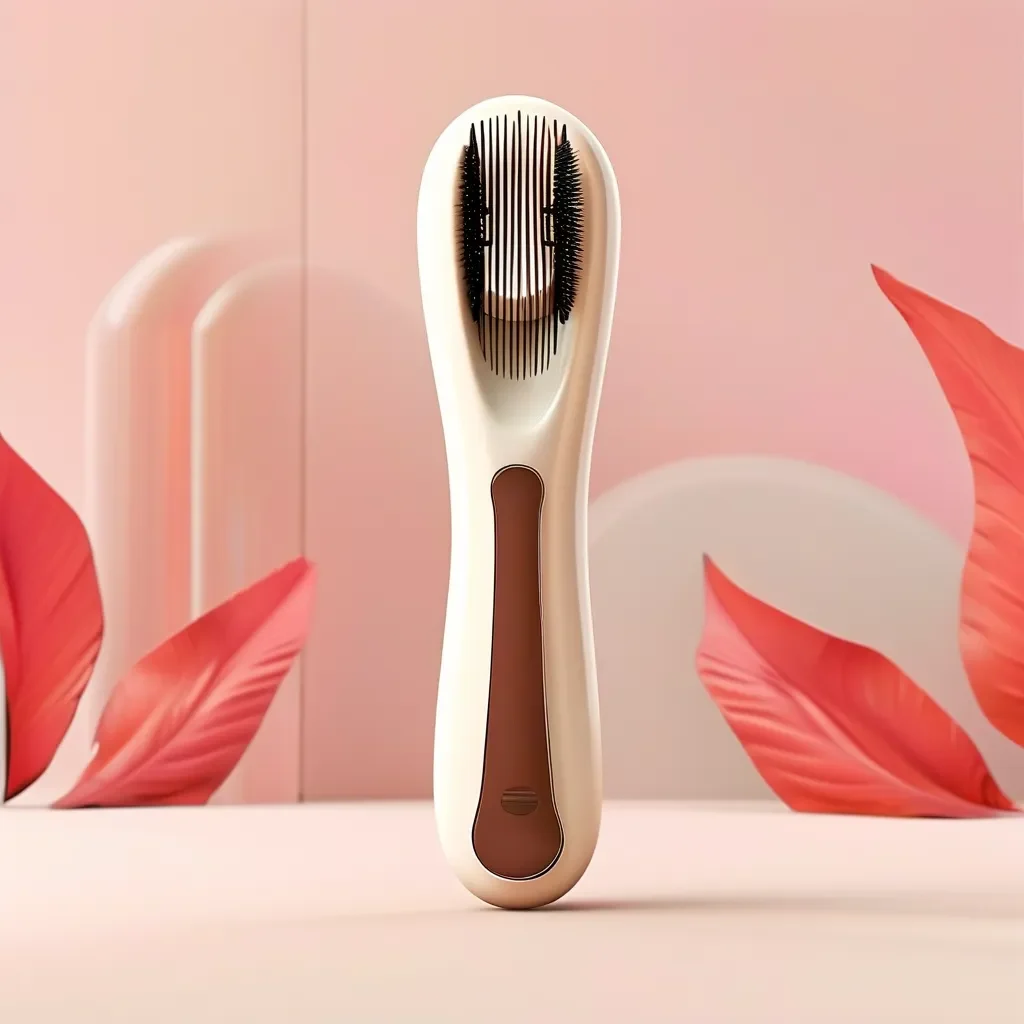
The Styluse Beauty hair brush should be evaluated as a cordless heated brush, not as a promised salon-finish tool. Before buying, verify the live listing, seller, temperature controls, charger, run time, return policy, and whether your hair type can tolerate another heated styling step.
Quick Answer: Who Is This Brush For?
A cordless heated brush can make sense for quick dry-hair touch-ups, bangs, face-framing pieces, and travel routines where an outlet is inconvenient. It is a weaker fit for wet hair, heavy smoothing jobs, very long sections, or anyone who needs exact temperature control and documented battery specifications.
| Use case | Fit | Why | Check first |
|---|---|---|---|
| Quick fringe or face-frame touch-up | Good candidate | Small sections need less battery and fewer passes | Lowest usable heat setting |
| Full head straightening | Limited fit | Battery tools can slow down on large sections | Run time, recharge time, and plate width |
| Travel styling | Possible fit | Cordless design reduces outlet dependence | Battery rules, charger, and voltage details |
| Fragile or over-processed hair | Use cautiously | Extra heat can increase dryness or breakage | Heat setting, pass count, and hair condition |
| Wet-to-dry styling | Avoid unless labeled | Many heated brushes are intended for dry hair only | Official directions on the listing and packaging |
What the Marketplace Listing Can and Cannot Prove
The reachable listing used for this update describes a portable rechargeable hair straightener or thermal brush with adjustable temperature. Treat that as a current marketplace reference only. Marketplace titles, sellers, availability, photos, and specs can change, and they do not replace the instructions printed on the product packaging.
| Listing detail | Why it matters | How to verify | Risk if unclear |
|---|---|---|---|
| Seller name | Returns and support depend on the seller | Check seller profile and return terms before checkout | Harder warranty or support follow-up |
| Temperature settings | Hair types need different heat levels | Look for exact degrees, not only “adjustable” wording | Too much heat or too little styling effect |
| Run time | Cordless tools have practical limits | Confirm minutes per charge and recharge time | Battery runs out mid-style |
| Charging cable | Replacement and travel use depend on the charger | Check port type, adapter needs, and instructions | Unsafe or incompatible charging habits |
| Returns | Heat tools should be returnable if defective | Read current return policy on the live listing | Stuck with a tool that does not fit your routine |
Cordless Brush vs Flat Iron vs Blow-Dryer Brush
Choose the tool by hair state and styling goal. A cordless thermal brush is usually a touch-up tool. A flat iron gives stronger smoothing on dry hair, while a blow-dryer brush is designed around airflow and drying.
| Tool | Best use | Strength | Tradeoff |
|---|---|---|---|
| Cordless heated brush | Dry-hair touch-ups and small sections | Portable and easy to pack | Battery and heat output may be limited |
| Flat iron | More defined smoothing on dry hair | Stronger contact and more control | Can overheat sections if used repeatedly |
| Blow-dryer brush | Damp-to-dry volume when labeled for that use | Combines airflow and shape | Bulkier and usually corded |
| Round brush plus dryer | Classic blowout control | Flexible for different hair lengths | Requires coordination and time |
Hair-Type and Heat Checks
The American Academy of Dermatology warns that styling habits can leave hair brittle, frizzy, lackluster, or damaged. Use heated tools on dry hair when directed, choose the lowest effective setting, limit repeated passes, and pause if hair feels rough, dry, or fragile.
| Hair situation | Better setting habit | Pass count | Stop if |
|---|---|---|---|
| Fine or fragile hair | Start low | One slow pass on small sections | Hair feels hot, limp, or rough |
| Dyed hair | Use conservative heat | Keep passes minimal | Color looks dull or ends feel dry |
| Thick hair | Work in smaller dry sections | Do not keep repeating the same section | Tool drags or snags |
| Curly or coily hair | Detangle first and avoid forcing tension | Use gentle, controlled sections | The brush pulls at roots or ends |
| Damaged ends | Skip direct heat on weak areas | Use a non-heat styling option instead | Ends split, snap, or feel brittle |
Charging, Storage, and Travel Checks
- Use the charger and cable described by the seller or packaging.
- Do not charge the brush near water, sinks, tubs, or damp towels.
- Let the heated surface cool before packing it in a bag.
- Stop using the tool if the charger, port, casing, or heated area smells unusual, swells, sparks, cracks, or overheats.
- Check airline and local travel rules before packing a rechargeable heat tool.
How to Test It Without Overdoing Heat
- Read the live listing and the product instructions before the first use.
- Fully charge the brush, then test how long it stays useful on a small section.
- Start with clean, dry, detangled hair unless the instructions say otherwise.
- Choose the lowest temperature that gives visible smoothing.
- Style small sections and avoid repeated passes over the same area.
- Let the tool cool, then note battery life, snagging, and whether the finish lasted.
Affiliate and Disclosure Note
This update does not add a new affiliate offer or rank the brush as a top pick. If a retailer link on this site is monetized in the future, the relationship should be disclosed clearly and the product still needs the same source, safety, and fit checks.
Best-Fit Buying Scenarios
For quick touch-ups
Consider the brush only if you need short sessions on dry hair and can accept battery limits. It should not replace a full styling routine if you need consistent high heat.
For travel
Check charger type, battery rules, pouch or cap design, and cool-down time. A small brush is convenient only if it can be packed safely.
For heat-sensitive hair
Use lower heat, fewer passes, and smaller sections. If your hair is already breaking or feels rough, choose a non-heat option instead.
For gift buying
Verify return terms, seller credibility, and whether the recipient wants a cordless touch-up tool rather than a stronger corded styler.
What This Page Does Not Claim
This guide does not claim that the Styluse brush prevents damage, fixes broken hair, works for every texture, or replaces professional advice. It is a shopping and use-check guide for a heated styling tool.
Sources
- Amazon AU marketplace listing reference
- AAD: Hair styling without damage
- AAD: How to stop damaging your hair
- FTC: Disclosures 101 for social media influencers
- Beauty Supply Reviews disclosure policy
FAQ
Is the Styluse Beauty hair brush good for full straightening?
It is better evaluated as a cordless touch-up brush than a full straightening replacement. Full-head styling depends on battery life, heat output, section size, and your hair texture.
Can I use a cordless heated brush on wet hair?
Use it on wet hair only if the product directions clearly allow that. Many heated brushes and straightening tools are intended for dry hair, and wet-hair heat use can be harsher.
What temperature should I use?
Start with the lowest setting that changes the section. Fine, fragile, dyed, or damaged hair should be handled more conservatively than thick, resistant hair.
Is a cordless brush safe for travel?
It can be convenient, but check battery rules, charger type, cool-down time, and whether the heated surface can be covered or packed safely after use.
What should I verify before buying?
Verify the live seller, listed price, return policy, temperature range, run time, recharge time, charger, packaging directions, and whether the tool matches your normal styling routine.
Related Beauty Supply Reviews guides
Continue with this related guide and this next-step guide. These links support reader navigation rather than a product, treatment, or outcome claim.
Core editorial sources
- https://www.aad.org/public/everyday-care/hair-scalp-care/hair/healthy-hair-tips
- https://www.aad.org/public/diseases/hair-loss/causes/hairstyles