Short Hairstyles: Face Shape, Texture, and Care

Quick answer: Choose a short hairstyle by texture, density, growth pattern, styling time, and willingness to maintain the shape. Bring realistic references and discuss how the cut behaves without heat or daily restyling. This independent editorial page does not claim first-hand product testing or universal outcomes.
Quick answer: how do you choose a short hairstyle?
Choose a short hairstyle by matching the cut shape to your hair texture, density, face-framing needs, styling time, tool use, and scalp comfort. A useful short cut should be easy to maintain, avoid unnecessary pulling, and leave enough length where your hair naturally needs movement or control.
Short hairstyle decision table
| Cut family | Works well when | Ask your stylist about |
|---|---|---|
| Bob or lob | You want a clean outline with enough length for clips, waves, or air-drying. | Jawline length, back shape, layering, and how the cut falls when dry. |
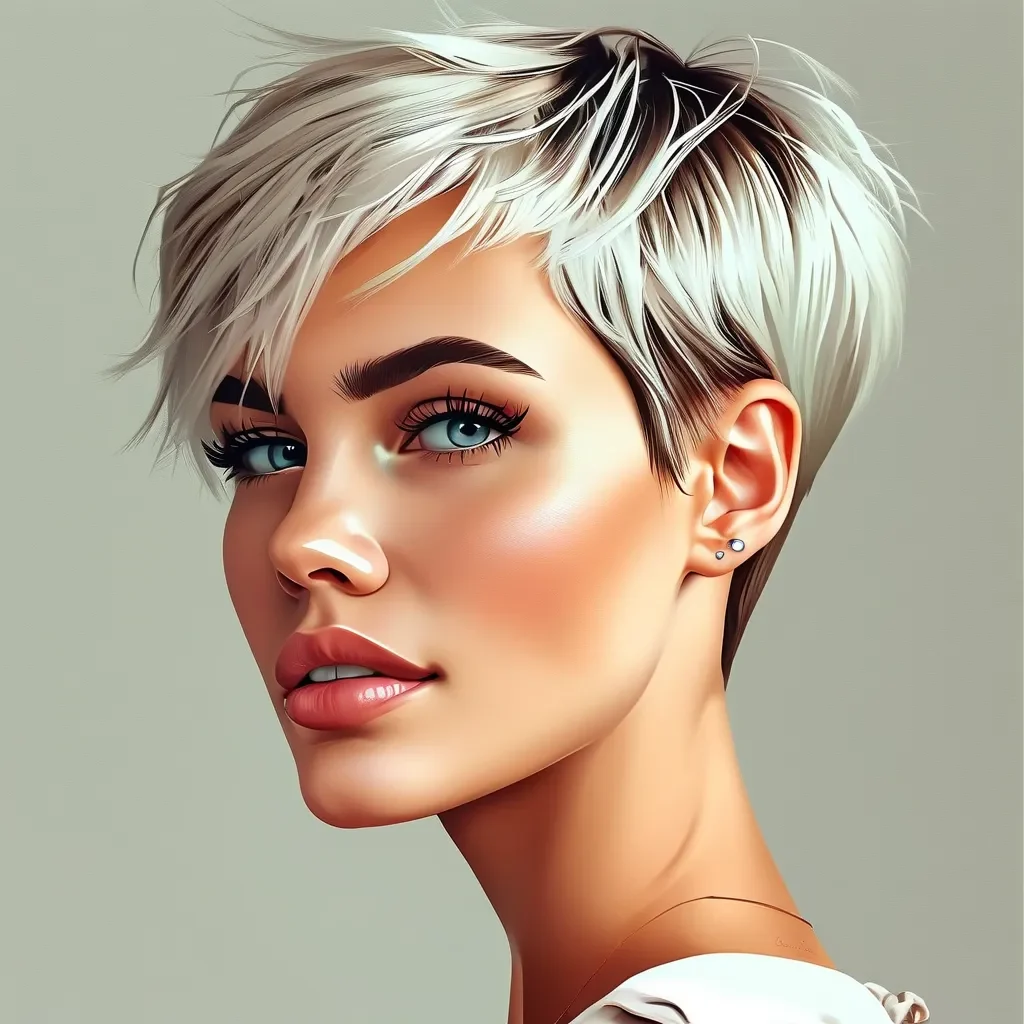
| Pixie | You prefer light daily styling and are comfortable exposing the neckline and ears. | Fringe length, crown texture, grow-out plan, and how often trims are needed. |
| Bixie | You want a middle option between a bob and a pixie. | How much volume stays at the crown and how the sides sit around the face. |
| Short shag | Your hair responds well to layers, movement, and a less polished finish. | Layer placement, fringe shape, and whether the shortest pieces will need heat styling. |
| Curly crop | You want shape while keeping curl pattern and shrinkage in mind. | Dry-cut approach, curl-by-curl shaping, and product routine after washing. |
Match the cut to texture and density
| Hair pattern | Short-cut note | Care risk to avoid |
|---|---|---|
| Straight or fine hair | Blunt outlines can make ends look fuller, while light layers can prevent a flat shape. | Too much heat or backcombing can make short ends look dry quickly. |
| Wavy hair | Soft layers can help waves sit naturally instead of forming a triangle shape. | Cutting wet without considering shrinkage may leave the finished shape shorter than planned. |
| Curly hair | Shape and shrinkage matter more than the exact photo reference. | Heavy tension while drying or brushing can disturb curl pattern and add breakage risk. |
| Coily or tight-textured hair | A short crop can work well when the shape respects density and shrinkage. | Tight accessories, hard brushing, or repeated pulling near the hairline can irritate fragile areas. |
| Thick hair | Internal weight removal can help the cut move without making the perimeter too thin. | Removing too much bulk can make grow-out uneven. |
Face-framing notes without rigid rules
Face shape can help guide a short haircut, but it should not be treated as a strict rule. A fringe can soften the forehead, longer front pieces can frame the cheek area, and a lifted crown can change the visual balance. The practical question is how the cut behaves on your actual hair after washing and styling.
What to discuss before the cut
- Dry length. Ask where the shortest pieces will sit after natural shrinkage or wave pattern appears.
- Daily styling time. Decide whether you are willing to blow-dry, diffuse, flat-iron, or air-dry most days.
- Trim rhythm. Very short cuts usually need shape maintenance sooner than shoulder-length hair.
- Product use. Confirm whether your routine needs mousse, gel, leave-in conditioner, pomade, or heat protectant.
- Comfort around edges. Avoid styles that require tight clips, pins, or repeated pulling near sensitive hairlines.

Style short hair with less heat and tension
AAD hair-care guidance notes that harsh handling, high heat, and tight hairstyles can damage hair or contribute to traction-related problems. With short hair, the lower-risk routine is simple: detangle gently, use the lowest effective heat, avoid brushing through knots, and stop any style that causes scalp soreness.
Products and tools to check
| Item | Why it can help | Check before use |
|---|---|---|
| Leave-in conditioner | Adds slip before air-drying or diffusing. | Follow the label and avoid applying to irritated skin. |
| Mousse or foam | Can support waves, curls, or light volume. | Use a small amount first so short hair does not feel coated. |
| Pomade or cream | Can define pixies, crops, and short layers. | Choose texture by hair density; heavy formulas can flatten fine hair. |
| Heat protectant | Useful when blow-drying, diffusing, or using hot tools. | Read the cosmetic label and do not exceed tool or product directions. |
| Clips and pins | Help control sections while drying or setting pieces. | Use smooth edges and avoid tight pressure near the scalp. |
Maintenance rhythm
Short hair often shows shape changes faster than longer hair because the outline, fringe, and neckline are more visible. Plan trims around the cut type: a pixie may need closer shape maintenance, while a bob or lob can usually grow out with fewer awkward stages if the layers are balanced.
Editorial note
This guide does not claim that one short hairstyle fits everyone. Use it as a checklist for discussing shape, texture, styling tools, and maintenance before cutting. Product or affiliate recommendations should be added only after real product checks, current images, and clear disclosure.
Sources
- American Academy of Dermatology: Hair care habits that can damage hair
- American Academy of Dermatology: Healthy hair tips
- American Academy of Dermatology: Hairstyles that pull can lead to hair loss
- FDA: Using cosmetics safely
Frequently asked questions
Which short hairstyle is easiest to maintain?
A bob or lob is often easier to grow out than a very short pixie because it keeps more length around the face and neckline. The lowest-maintenance choice still depends on texture, density, and whether your hair air-dries into a shape you like.
Should curly hair be cut short while wet or dry?
Many curly-hair clients benefit from seeing how the shape sits when dry because curl shrinkage changes the final length. Ask your stylist how they account for shrinkage before choosing a bob, crop, or layered short cut.
How often do short hairstyles need trims?
Trim timing depends on the cut. Pixies and close crops usually show grow-out sooner, while bobs and lobs can often go longer between shape adjustments. Fringe, neckline, and side shape are the areas that reveal growth first.
Can short hairstyles damage hair?
The haircut itself is not the usual issue. Damage risk comes from repeated high heat, tight accessories, rough brushing, chemical services, or pulling styles. Keep styling gentle and avoid tension near sensitive hairlines.
What should I bring to a short-hair appointment?
Bring two or three reference photos, but also bring notes about your natural texture, daily styling time, heat-tool habits, and grow-out concerns. A useful consultation turns the photo into a cut that works with your actual routine.
Related Beauty Supply Reviews guides
Continue with this related guide and this next-step guide. Both links are included for reader navigation, not as proof of a product or outcome claim.
Core editorial sources
- https://www.aad.org/public/everyday-care/hair-scalp-care/hair/healthy-hair-tips
- https://www.fda.gov/cosmetics/cosmetic-products/hair-products