Black Hair Dye Guide: Undertones, Coverage, and Safety

Short answer: Choose black hair dye by undertone,
permanence, gray-coverage labeling, starting color, previous processing, future
color plans, and the exact patch-test and strand-test directions. There is no
single best black dye for every head of hair, and no formula can guarantee
coverage, zero fading, or a result independent of the starting base.
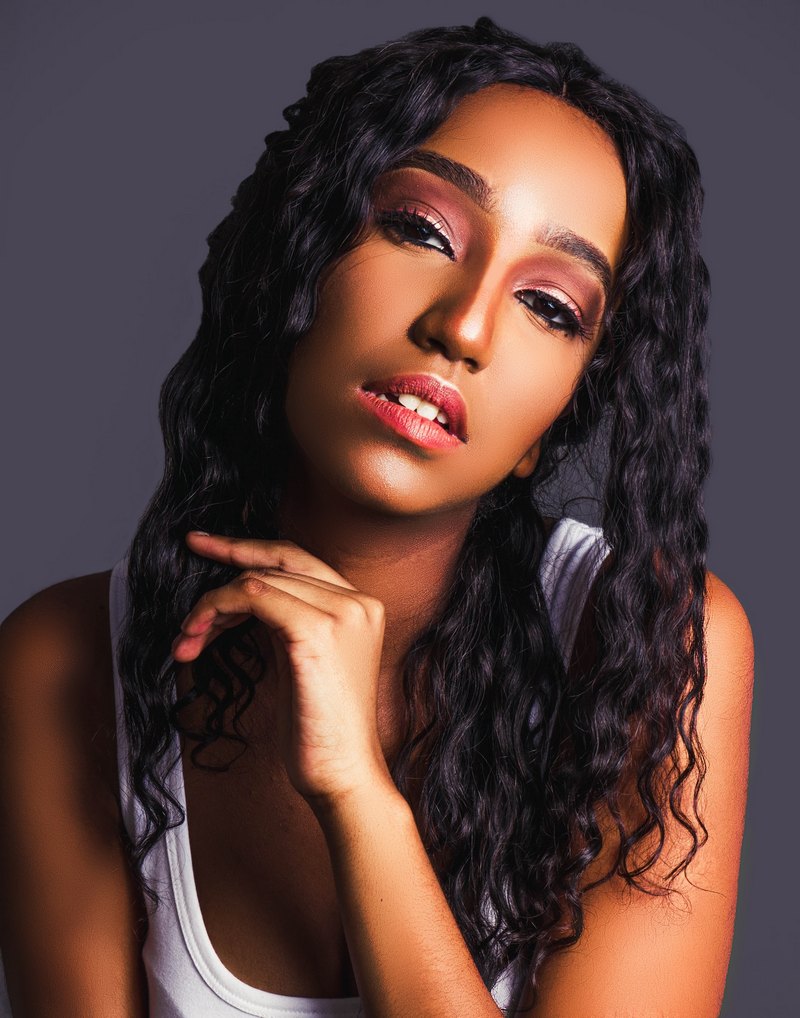
Choose the black undertone first
| Shade family | Typical visual direction | Planning question |
|---|---|---|
| Soft or natural black | Usually less stark than the deepest black | Do you want black that still reads relatively natural? |
| Blue-black | Cool, inky, and more obvious in bright light | Will a blue cast suit the intended result? |
| Brown-black | Softer and sometimes warmer | Do you want depth without the hardest edge? |
| Jet or deepest black | Dense and high-commitment | Are you prepared for visible regrowth and difficult lightening? |
Shade names are not standardized across brands. Read the swatch and
description for the exact product, then test it on your own starting hair.
Porous or pre-lightened lengths may absorb dark pigment more strongly than
healthy roots. Compare the shade in more than one light source after the strand
has been rinsed and dried; wet color and box photography are poor substitutes
for the finished result on your own base.
Match permanence to the job
Permanent dye is a longer commitment and may be chosen for stronger
gray-coverage goals, but the package must actually state what it is designed to
cover. Demi-permanent dye can add depth or blend some gray with less commitment.
Semi-permanent color and depositing conditioners are useful for temporary
deposit or refresh, not automatic substitutes for permanent gray coverage.
Think beyond the first result. Permanent black buildup can make later
lightening or color correction slower, less even, and more damaging. If a
lighter shade is likely in the near future, a lower-commitment formula and a
hidden strand test may be the more practical choice.
Starting color changes the outcome
| Starting point | Common issue | Useful check |
|---|---|---|
| Virgin light or medium hair | Black may look much denser than expected | Preview depth and undertone on a hidden strand |
| Previously bleached hair | Porous areas may grab dark or look uneven | Assess porosity and consider professional filling |
| Warm faded dye | Warmth may return as black fades | Track the fade before adding another full layer |
| Repeated dark dye | Buildup can flatten lengths and complicate removal | Separate root maintenance from length refresh |
| Gray hair | Coverage varies by formula and resistance | Confirm whether the label promises blending or coverage |
Patch testing and strand testing answer different questions
A patch or skin test follows the current label and helps screen for a
possible reaction. A strand test previews color, depth, undertone, porosity, and
processing behavior. Passing one does not replace the other. The FDA advises
performing the instructed skin test before every use because sensitivity can
develop even when a person has colored their hair before.
Do not describe a dye as allergy-proof or universally hypoallergenic.
Fragrance, preservatives, colorants, and other cosmetic ingredients can matter
to different users. Stop and follow appropriate medical guidance for swelling,
blistering, breathing difficulty, or another significant reaction.
Plan gray coverage realistically
Check whether the package is intended to blend gray, cover gray, or simply
deposit color. Resistant gray, concentrated gray at the temples, and mixed
porosity can respond differently. Use the exact processing instructions and
test a representative section rather than promising full coverage from a shade
name alone.
For extensive resistant gray, strong banding, or damaged hair, a colorist
can separate the root formula from the lengths and assess whether repeated
overlap is creating the bigger problem.
Use a comparison checklist
Record the result you actually need before shopping. Separating undertone,
coverage, commitment, and maintenance prevents a dramatic shade name from
overriding the practical constraints of the formula.
- Select natural, blue, brown, or deepest black based on undertone.
- Choose permanent, demi, semi-permanent, or depositing color by commitment.
- Confirm the gray-coverage language for the exact formula.
- Review prior dye, bleach, relaxer, perm, and henna history.
- Follow the package patch test and run a separate hidden strand test.
- Buy enough product for the length and density without changing the ratio.
- Protect skin, clothing, towels, and surfaces from dark staining.
- Keep the shade and batch information until the result and fade are clear.
Related hair-color guides
- Understand lightener types and strand-test limits before future correction.
- Compare blue-black shade direction, starting base, and fade.
- Review demi-permanent color, fading, and gray blending.