Body Hair Trimmer Guide: Features, Use, and Safety

The best body hair trimmer is one that matches the areas you groom, the length you want to leave, your cleaning routine, and your tolerance for irritation. This guide does not rank unverified products or repeat old prices. It explains the specifications and safety checks that remain useful when models, bundles, and availability change.
Quick answer: which features matter most?
- A guarded cutting head suitable for the body areas named in the instructions.
- Combs that cover the lengths you actually use.
- A shape you can control without pressing hard or stretching the skin.
- Clear wet/dry, rinsing, charging, and storage instructions.
- Replaceable blades or foils that are realistically available.
- A travel lock or protective cap if the trimmer will be carried in a bag.
Start with the grooming area
| Area or goal | Useful design feature | Main caution |
|---|---|---|
| Chest, arms, or legs | Wider head and several guard lengths | Do not rush over curves, bumps, or irritated skin |
| Underarms | Compact head with good visibility | Use light pressure on folded skin |
| Groin or bikini area | Guarded head specifically described for that area | Follow the manual and never assume a general beard head is appropriate |
| Back or hard-to-reach areas | Stable grip or compatible extension | Stop if you cannot see or control the cutting path |
| Short tidy-up | Comb that leaves the intended length | Begin with a longer guard before moving shorter |
A model advertised as all-in-one may include many heads you never use. Count the attachments relevant to your routine, not the total printed on the box. Confirm whether replacement combs, blades, foils, and charging parts are sold separately.
Wet/dry labels need careful reading
Water-resistant, washable, shower-safe, and waterproof are not interchangeable promises. Check the manufacturer’s instructions for the exact model. Some trimmers allow rinsing only after the power is disconnected; others permit shower use; some heads detach for cleaning while the handle must remain dry. Never charge or connect a device near water unless the instructions explicitly permit the setup.
Battery and power questions
Compare stated runtime with the length of your normal session, but treat advertised runtime as a label claim rather than an independently verified result. Useful questions include whether the device can run while plugged in, how charging status is shown, whether a proprietary cable is required, and whether a travel-voltage adapter is needed.
A long runtime does not compensate for poor control or unavailable replacement parts. For occasional grooming, predictable charging and a clear low-battery indicator may matter more than the largest runtime number.
Check the exact model before ordering
Product families often reuse a similar name across different years, regions, or accessory bundles. Match the complete model number on the listing, box, manual, and replacement-part page. Confirm the included guards, charging connector, voltage information, warranty region, and the body areas named by the manufacturer. A review of a related model cannot prove that the version in your cart has the same head, battery, or water-resistance instructions.
When comparing listings, separate permanent specifications from changing retail details. Head width, supported guards, cleaning method, and model-specific instructions belong in the decision record. Price, stock, promotional bundles, and delivery dates should be checked at purchase time because they can change without notice. Save the manual and purchase record so you can identify compatible replacement parts later.
How to reduce irritation and cuts
- Read the model’s instructions and inspect the head and comb for damage.
- Trim long hair gradually with a longer guard first.
- Use light pressure and short, controlled passes.
- Follow hair growth when close cutting causes bumps or irritation.
- Do not repeatedly pass over inflamed, broken, or infected skin.
- Clean and dry the device as directed after use.
The American Academy of Dermatology notes that shaving can cause cuts, irritation, and ingrown hairs. Its guidance recommends softening hair, using suitable shaving products when needed, following hair growth, and keeping equipment clean and dry. A trimmer may leave more length than a razor, but it can still irritate skin when used with pressure, a damaged head, or poor hygiene.
Cleaning and sharing
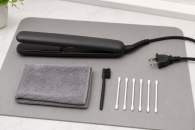
Remove loose hair after each use and follow the manual for rinsing, brushing, lubricating, or replacing the cutting unit. Let washable components dry before storage. Do not share a personal trimmer without an appropriate sanitation process, especially when it may contact broken skin. Never improvise cleaning with a chemical that the manufacturer does not permit.
What this guide does not claim
We have not personally tested every current trimmer, verified retail inventory, measured battery life, or confirmed today’s price. A model name alone does not prove skin safety, waterproofing, or suitability for intimate areas. Use the current label, manual, warranty, and replacement-part information for the exact model and region you are buying.
For smaller grooming tools, see our nose trimmer guide. For a beauty-supply-specific overview, read the hair trimmer shopping guide.
Sources
- American Academy of Dermatology: How to Shave
- American Academy of Dermatology: How to Prevent Razor Bumps
- American Academy of Dermatology: Ways to Remove Unwanted Hair
- American Academy of Dermatology: Trimming Pubic Hair Safely