Primer for Sensitive Skin: Formula and Wear Guide

Quick answer: The best primer for sensitive skin is a formula whose ingredients, finish, and wear role match your skin and foundation without causing burning, itching, swelling, or persistent redness. This independent guide does not claim first-hand product testing, a universal ranking, pore removal, wrinkle treatment, or all-day wear.
Do you need a makeup primer?
Primer is optional. It may change slip, shine, texture, or how foundation applies, but a suitable moisturizer and sunscreen may already provide the preparation needed. Adding another layer can increase the number of ingredients touching reactive skin.
Define the problem first: dryness, visible texture, oil, foundation separation, redness, or simply preference. A primer should have a specific role rather than being treated as mandatory protection.
What should sensitive-skin users check on the label?
Review the complete ingredient list, directions, warnings, and intended use. Fragrance-free may be relevant for people who react to fragrance. “Natural,” “clean,” “hypoallergenic,” “non-comedogenic,” and “dermatologist tested” do not establish universal tolerance or prove that a product treats a skin condition.
Compare the current package rather than an old review because formulas can change. If a clinician has identified an allergen, verify exact ingredient names.
Which finish fits your routine?
Hydrating primers can add slip for dry-feeling skin, mattifying formulas can reduce surface shine, gripping primers can increase adhesion, and smoothing formulas can blur texture temporarily. These effects depend on formula, amount, skin care, foundation, climate, and application.
Do not choose a strongly mattifying product for already tight skin simply because it promises longer wear. Likewise, an emollient primer may cause some foundations to move.
How do you test a new primer?
Try a small amount on a limited facial area when the skin is calm. Observe immediate comfort and delayed response before a full event application. This is a practical use check, not a medical allergy test. Do not test on broken, inflamed, or recently treated skin.
Introduce only one new base product at a time. If primer, sunscreen, moisturizer, and foundation all change together, the cause of irritation or pilling is difficult to identify.
How should primer be applied?
Let skin care settle, then use a thin layer only where needed. Press or spread gently without vigorous rubbing. Allow the primer to set according to its directions before adding foundation. More product can increase rolling, pilling, texture, and heaviness.
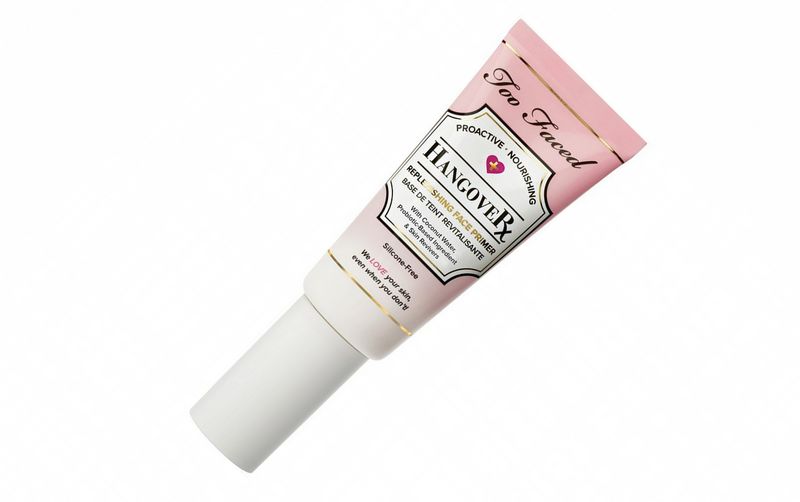
Use clean hands or tools and keep the package opening clean. Do not dilute the formula with water or mix products unless their instructions support it.
What causes primer and foundation to pill?
Pilling can result from too many layers, incompatible textures, insufficient settling time, rubbing, or excessive amount. Reduce variables: use less, allow each layer to set, and test the foundation over one section. A silicone-versus-water rule is not enough to predict every combination.
If discomfort accompanies pilling, remove the products gently rather than adding more layers to force a smooth finish.
What claims should you treat cautiously?
A cosmetic primer can temporarily alter appearance, but it does not permanently shrink pores, erase wrinkles, heal sensitivity, or guarantee an airbrushed result. Color-correcting tones can visually offset redness, but they do not diagnose or treat the cause of redness.
Retailer stars and influencer wear tests reflect specific users and conditions. They are not substitutes for ingredient review and a controlled personal use check.
When should you stop using primer?
Stop if it causes burning, swelling, hives, persistent itching, worsening rash, or eye irritation. Remove it gently and do not reapply to confirm a reaction. Severe swelling, breathing difficulty, or systemic symptoms require urgent medical care.
Persistent facial sensitivity, scaling, pain, or recurrent reactions deserve professional assessment.
How do you compare products without a stale ranking?
| Need | Check | Avoid assuming |
|---|---|---|
| Dry-feeling skin | Comfort, slip, compatible finish | Hydrating means non-irritating |
| Oil and shine | Targeted matte use | Strongest matte is best |
| Visible redness | Green tint and ingredient tolerance | Color correction treats redness |
| Long event wear | Thin layers and foundation compatibility | One primer lasts equally on everyone |
For another base-product comparison, see foundation for sensitive skin. For a broader routine, read makeup for sensitive skin.
Frequently asked questions about primer and sensitivity
Is silicone in primer bad for sensitive skin?
Silicone ingredients are not automatically harmful or suitable. The complete formula and individual response matter. Do not exclude or select a product based on one ingredient category without a known reason.
Can primer replace moisturizer?
Some primers feel emollient, but their intended role may differ from moisturizer. Use skin care according to your needs, then decide whether another layer adds value. Avoid stacking products simply because each one mentions hydration.
Should primer be used every day?
There is no requirement. Use it when it provides a clear cosmetic benefit and the skin tolerates the additional layer. On days without foundation or when sensitivity is active, a simpler routine may be more appropriate.
Can sunscreen go over primer?
Sunscreen generally needs to be applied in the amount and order specified by its directions. Makeup primer should not dilute or replace sun protection. Test whether a thin primer layer works over the settled sunscreen without pilling.
Is green primer appropriate for every red face?
No. Green can visually neutralize redness, but redness has different causes and may signal irritation or disease. Do not cover painful or worsening symptoms instead of investigating them.
How should an opened primer be stored?
Close it securely, keep the opening clean, and follow temperature and period-after-opening guidance. Do not return dispensed product to the container or continue using a formula that changes unexpectedly.
What should be used near the eyelids?
Use only products intended for that area. A face primer may have different directions from an eye primer. Keep product out of the eye and stop if watering, burning, or swelling develops.
Can primer be applied over prescription skin treatment?
Ask the prescribing clinician how cosmetics should be layered with the treatment. Medication can change dryness, irritation, and sun sensitivity. Do not use primer to hide a reaction or alter the medication schedule.