Foundation for Sensitive Skin: Formula and Wear Checks

Quick answer: Choose foundation by formula, finish, fragrance status, label claims, and removal comfort. No product can guarantee zero reaction, so introduce one change at a time and stop a product that burns, swells, or causes a rash. This independent editorial page does not claim first-hand product testing, live inventory, or universal outcomes.
Foundation for sensitive skin should be chosen by formula type, finish, coverage, fragrance status, label claims, wear time, and removal comfort. No foundation can promise that it will not bother every face, so the safer approach is to read claims carefully, patch-test, introduce one product at a time, and stop using products that cause discomfort.
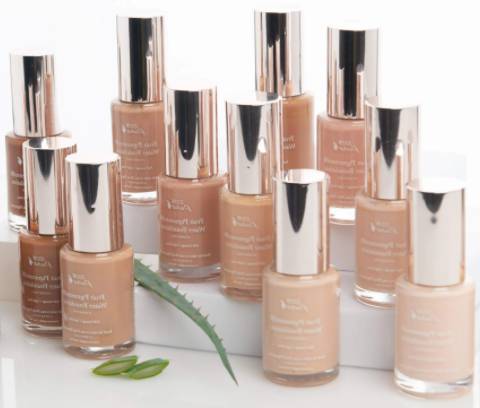
Quick Answer: What Should Sensitive Skin Check First?
Start with fragrance-free labeling, a shade and undertone match, a formula that fits your skin type, and a finish that needs less layering. Treat “hypoallergenic” as a marketing claim to investigate, not proof that a foundation cannot cause a reaction.
| Check | Why it matters | What to look for | What not to assume |
|---|---|---|---|
| Fragrance status | Fragrance can bother some users | “Fragrance-free” on the label | “Unscented” means the same thing |
| Hypoallergenic claim | The term has limited regulatory meaning | Full ingredient review and cautious testing | It cannot cause irritation |
| Coverage level | More coverage can mean more layers | Sheer, medium, or buildable coverage | Heavy coverage is always better |
| Finish | Finish changes comfort and texture | Natural, satin, soft matte, or dewy | One finish works for every skin type |
| Removal | Hard rubbing can add discomfort | Foundation removes without scrubbing | Long wear is always easier |
Formula Types for Sensitive Skin
Choose foundation type by what you need the base to do. Sensitive-feeling skin may still be dry, oily, combination, textured, or breakout-prone, so the formula match matters as much as the sensitive-skin wording.
| Formula type | Best fit | Use carefully when | Shopping note |
|---|---|---|---|
| Liquid foundation | You want flexible coverage | Fragrance or strong alcohol is high on the label | Check shade, undertone, and dry-down |
| Cream foundation | You want richer texture | Your skin dislikes heavier layers | Apply thinly and remove gently |
| Powder foundation | You want lighter feel or oil control | Dry patches show easily | Use light pressure and avoid over-buffing |
| Mineral-style powder | You prefer a shorter ingredient list | Loose powder irritates your eyes or nose | Avoid breathing in powder during use |
| Tinted moisturizer | You want sheer coverage | You expect full coverage | Layer only where needed |
| Stick foundation | You need targeted coverage | Dragging the stick feels uncomfortable | Warm on fingers or a clean brush first |
Coverage, Finish, and Skin Type
| Skin concern | Coverage direction | Finish direction | Application tip |
|---|---|---|---|
| Dry and sensitive-feeling | Sheer to medium | Natural or satin | Moisturize first and avoid heavy powder |
| Oily and sensitive-feeling | Medium buildable | Soft matte | Set only the shiny zones |
| Combination skin | Thin all over, extra only where needed | Natural | Use different powder amounts by area |
| Redness-prone look | Targeted coverage | Natural | Use small amounts and avoid harsh rubbing |
| Texture or visible pores | Light layers | Soft matte or natural | Press product instead of buffing aggressively |
How to Read Sensitive-Skin Foundation Claims
The FDA explains that “hypoallergenic” has no federal standard definition for cosmetics, and FDA cosmetics labeling resources explain that cosmetic claims have limits. Read the claim, then read the ingredients, directions, warnings, and intended use before putting a new foundation on your full face.
| Claim or label term | Useful meaning | Limit | Better next step |
|---|---|---|---|
| Fragrance-free | No fragrance added for scent | Still check the full ingredient list | Compare with products you already tolerate |
| Unscented | Little or no noticeable smell | May still include masking fragrance | Look for fragrance-free wording instead |
| Hypoallergenic | Brand says fewer reactions are expected | No federal standard definition | Patch-test and avoid relying on the word alone |
| Non-comedogenic | Designed not to clog pores | Does not cover every sensitivity issue | Use as one factor, not the only factor |
| Dermatologist tested | Testing may have been performed | Details vary by brand | Read warnings and ask the brand if unclear |
Patch-Test and Wear-Test Routine
- Read the label, warnings, and intended use before applying the product.
- Test one new foundation at a time, not a new primer, powder, and remover on the same day.
- Try a small amount on a limited area first and watch for discomfort.
- Use clean brushes, clean sponges, or clean fingers to avoid adding avoidable residue.
- Wear the foundation for a shorter period before using it for a long day.
- Remove gently and note whether the product needs hard rubbing to come off.
- Stop use if burning, swelling, rash, or persistent discomfort appears, and contact a healthcare professional when needed.
Application and Removal Tips
- Start with a clean, moisturized face and let skin-care layers settle.
- Use less foundation than you think, then add more only where needed.
- Press or tap around sensitive-feeling areas instead of scrubbing with a brush.
- Keep applicators clean and replace sponges that no longer rinse clean.
- Choose removal based on the foundation type, then cleanse without hard rubbing.
What This Page Does Not Claim
This guide does not diagnose sensitive skin, treat a rash, rank medical products, or promise that a cosmetic foundation will prevent irritation. It is a shopping and use checklist for cosmetic foundation. If a product causes a reaction, FDA guidance says to stop using it and contact a healthcare provider.
Sources
- FDA: Allergens in cosmetics
- FDA: Fragrances in cosmetics
- FDA: Cosmetics safety Q&A on hypoallergenic
- FDA: Hypoallergenic cosmetics
- FDA: Cosmetics labeling claims
- FDA: How to report a cosmetic product related complaint
- AAD: How to test skin care products
- AAD: How to clean makeup brushes
FAQ
What foundation is safest for sensitive skin?
No cosmetic foundation can be called safe for every sensitive-skin user. Start with fragrance-free labeling, a simple routine, careful ingredient review, and a small-area test before full-face wear.
Is hypoallergenic foundation better for sensitive skin?
It can be a useful shopping signal, but FDA consumer guidance says there is no federal standard definition for hypoallergenic cosmetics. Read the full label and test cautiously.
Should sensitive skin use liquid or powder foundation?
Liquid foundation may feel better on dry sensitive-feeling skin, while powder may suit oilier areas. The better choice depends on your skin type, finish preference, and removal comfort.
How should I test a new foundation?
Introduce one new product at a time, try a small amount first, use clean tools, wear it briefly before a long day, and stop using it if discomfort appears.
Can foundation fix sensitive skin?
No. Foundation is a cosmetic product for coverage and finish. It should not be used as treatment for rash, burning, swelling, or a diagnosed skin condition.
Related Beauty Supply Reviews guides
Continue with this related guide and this next-step guide. These links support reader navigation rather than a product or outcome claim.
Core editorial sources
- https://www.aad.org/public/everyday-care/skin-care-basics/care/face-washing-101
- https://www.fda.gov/cosmetics/resources-consumers-cosmetics/using-cosmetics-safely