Waterline Eyeliner: Formula, Wear, and Eye Safety

Quick answer: Use eyeliner on the waterline only when the exact product is specifically labeled for that placement and your eyes are healthy and comfortable. Prioritize a smooth controlled tip, clean package, minimal passes, and easy removal over maximum wear. This guide does not claim first-hand testing or that waterline liner is suitable for every eye or contact-lens wearer.
Verify waterline labeling, not just waterproof claims
“Waterproof,” “long-wear,” and “eye tested” do not automatically mean a product is intended for the inner eyelid margin. Read the current package and manufacturer directions for waterline or inner-rim placement. If the label limits use to the external lash line, follow that limit.
Do not substitute lip pencil, brow product, craft pigment, or theatrical product without specific eye-area labeling.
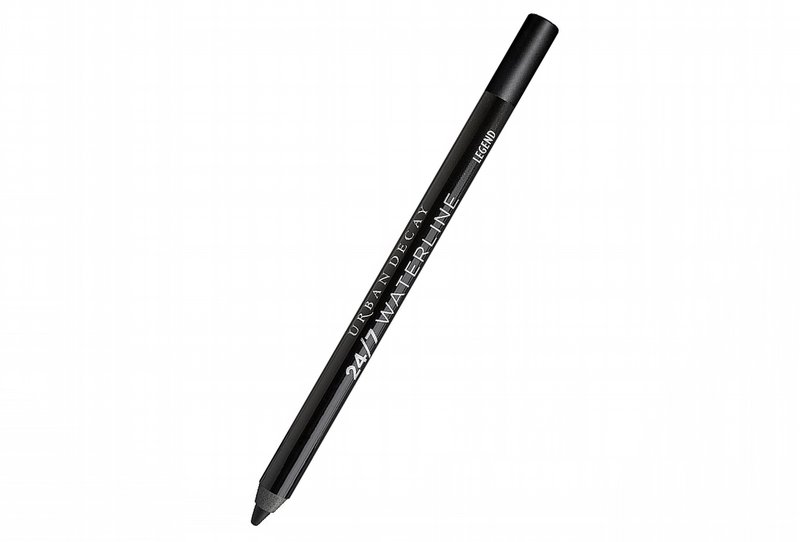
Understand why the waterline is a sensitive placement
The waterline sits close to the ocular surface and eyelid glands. Product can migrate, flake, or transfer during blinking and tearing. A formula that performs well on external skin may behave differently on moist tissue.
The FDA’s eye cosmetic safety guidance advises using cosmetics only as intended, keeping hands and applicators clean, avoiding eye cosmetics during inflammation, and not sharing products.
Choose pencil behavior by control
| Feature | Potential benefit | Check before use |
|---|---|---|
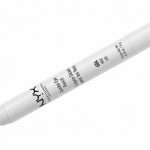
| Soft gel pencil | Deposits color with fewer passes. | Does the tip remain smooth rather than crumbling? |
| Traditional sharpenable pencil | Fresh point can be exposed through sharpening. | Is the wood smooth and sharpener clean? |
| Retractable pencil | No separate sharpener needed. | Can enough tip be exposed without breaking? |
| Long-wear film | May resist tears and transfer. | Can it be removed without hard rubbing? |
| Light or nude shade | Creates brightness or graphic contrast. | Is opacity achieved without repeated passes? |
Do not use felt-tip liquid liner on the inner rim by default
Felt-tip and liquid eyeliners are commonly designed for external skin and can run into the eye when placed on moist tissue. Follow the product-specific label. For external wings, use the felt-tip eyeliner guide.
Likewise, a separate brush should be used on the waterline only when both the cosmetic and method are intended for it. The eyeliner brush guide covers external precision and hygiene.
Screen eye condition and contact-lens context
Do not apply liner when the eye or eyelid is red, painful, swollen, infected, injured, or producing unusual discharge. People with chronic dry eye, eyelid disease, recent eye surgery, or recurring irritation should ask an eye-care professional before using inner-rim cosmetics.
Contact-lens wearers should follow lens-care and product directions and stop if liner migrates, vision changes, or discomfort develops. Remove lenses and seek advice under the appropriate eye-care protocol rather than continuing application.
Prepare the pencil and hands hygienically
- Wash and dry hands.
- Inspect the liner for age, damage, odor, texture change, or contamination.
- Sharpen with a clean sharpener when the pencil requires it.
- Wipe loose wood or pigment from the point without using saliva.
- Use a stable mirror and good light.
- Keep the cap and product off unclean counters.
Do not share waterline liner. A quick tissue wipe does not make a shared pencil appropriate for multiple eyes.
Apply with minimal contact
Look away from the application area and lower or lift the lid gently without touching the eye. Use one controlled pass over the permitted area. Build only when the label and comfort support it; repeated back-and-forth rubbing increases contact.
Do not apply while riding in a moving vehicle. A sudden stop can turn a cosmetic tip into an eye injury.
Choose color by effect and visibility
Black creates strong definition and can visually reduce the open white space of the eye. Brown gives softer depth. Navy or plum adds color while remaining dark. Nude or white can brighten the appearance but may need more opacity and can look stark under flash.
The best shade is the one that produces the intended effect with the fewest comfortable passes, not the one with the most dramatic swatch.
Evaluate wear without accepting irritation
Check transfer, flaking, tearing, blur, and comfort after an ordinary wear period. A formula that remains visible but causes burning or foreign-body sensation has not passed the practical test. Do not reapply over a contaminated or watery eye.
Photograph the result only after confirming that vision is clear. A camera result does not outweigh eye comfort.
Use separate criteria for upper and lower waterlines
The upper inner rim may create denser lash definition but is harder to see and control during application. The lower rim is easier to access but makes transfer and brightness more visible. A product tolerated on one area is not automatic permission to apply it everywhere; follow its exact placement directions.
Test one placement at a time so watering or irritation can be traced. Do not line both rims heavily on the first use simply to maximize intensity.
Plan for allergy, infection, and replacement history
Write the opening date on the package and note any eye infection or unexplained reaction during its use. Discard products according to professional advice and product guidance after infection rather than sharpening and returning them to service.
If several eyeliners cause similar symptoms, stop testing one after another and seek eye-care or dermatology advice. The repeated issue may involve placement, ingredient sensitivity, eyelid disease, contact lenses, or another factor that a product ranking cannot diagnose.
Remove waterline liner gently
Use an eye-area remover compatible with the formula and follow its directions. Remove external eye makeup first so less residue moves toward the inner rim. Avoid inserting cotton fibers or tools into the eye.
Do not scrape stubborn pigment with a fingernail. If product enters the eye, follow the label’s response. Persistent pain, redness, swelling, discharge, light sensitivity, or vision change requires appropriate eye-care assessment.
Replace liner when hygiene or performance changes
- The tip crumbles, scratches, or exposes rough wood or plastic.
- Formula smells different, separates, or becomes unusually dry.
- The pencil was used during an eye infection.
- The cap no longer closes or the package is damaged.
- Repeated use begins causing new irritation.
- The product has passed its labeled period after opening or expiration guidance.
The FDA’s broader makeup information supports reading labels and reporting product problems through appropriate channels.
Waterline eyeliner checklist
- The exact label permits inner-rim or waterline placement.
- Eyes and eyelids are healthy and comfortable.
- The point is smooth, clean, and controllable.
- Application uses minimal passes and no moving vehicle.
- Contact-lens and eye-care instructions are respected.
- Wear, replacement, and gentle removal have clear stop rules.