Hair Salon Equipment: Stations, Tools, and Safety

Quick answer: Map each salon-equipment purchase to a real service, floor-space limit, sanitation step, electrical need, staff workflow, and client-access requirement before buying. This independent editorial page does not claim first-hand product testing, live inventory, or universal outcomes.
Quick answer: what should you check before buying hair salon equipment?
Before buying hair salon equipment, map each item to a real service, space limit, sanitation step, electrical need, staff workflow, and client comfort requirement. Start with chairs, shampoo area, styling stations, dryers, hot tools, storage, towels, cleaning supplies, and ventilation checks before adding decorative or duplicate equipment.
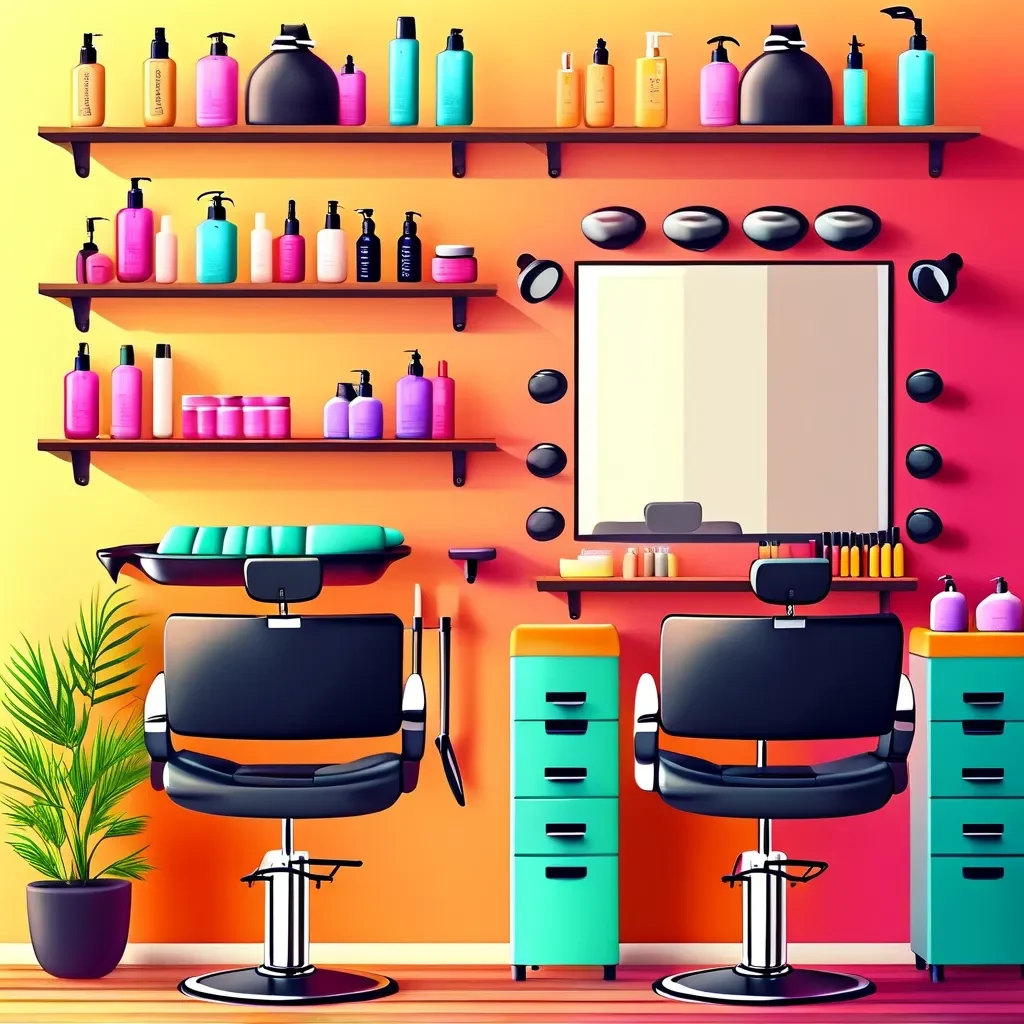
Independent editorial note
This page is independent editorial guidance for salon planning and beauty supply shopping. It is not an official equipment catalog, not a sponsored product test, and not a substitute for local licensing, fire, electrical, building, or occupational-safety requirements.
Build the service menu before the cart
| Service focus | Core equipment | Planning check |
|---|---|---|
| Haircuts and blowouts | Styling chairs, mirrors, carts, dryers, sectioning clips, capes, and hot tools. | Confirm outlet access, tool storage, and traffic space around each station. |
| Shampoo and treatments | Shampoo bowl, plumbing, neck support, towels, treatment timer, and product storage. | Check water access, slip control, towel flow, and client comfort. |
| Color services | Color cart, mixing bowls, brushes, gloves, timer, scale, foil, and ventilation plan. | Keep chemicals, towels, and waste separated from clean tools. |
| Texture or smoothing services | Heat tools, ventilation awareness, gloves, towels, and product-label controls. | Read warnings and avoid services that staff are not trained to perform. |
| Retail product display | Shelves, checkout area, label-facing storage, and testers when appropriate. | Keep retail space clean, accessible, and separate from wet work areas. |
Priority equipment list
| Category | Why it matters | Buy first if |
|---|---|---|
| Client chairs | They affect posture, service access, and appointment comfort. | The chair supports your main services and fits the station footprint. |
| Styling stations | They organize mirror space, hot tools, products, and sanitation flow. | You need repeatable station setup for multiple stylists. |
| Shampoo area | It affects water service, towel use, and client neck comfort. | Wash services are a core part of the menu. |
| Dryers and hot tools | They affect service speed, finish, and heat exposure. | Staff can control heat level and storage safely. |
| Storage and laundry | They keep clean items separate from used towels and tools. | Clutter is slowing service or mixing clean and used items. |
Space and workflow checks
Salon equipment should reduce friction rather than crowd the room. Measure the path a client, stylist, towel, cart, and hot tool will take during the actual service.
| Area | What to measure | Risk if ignored |
|---|---|---|
| Station width | Chair movement, mirror access, cart placement, and stylist stance. | Stylists bump carts or cannot move around the client. |
| Shampoo area | Client recline, bowl height, towel reach, and water path. | Neck discomfort, spills, and slow cleanup. |
| Color area | Mixing surface, gloves, bowls, waste, and ventilation awareness. | Chemical clutter and cross-contamination. |
| Tool storage | Heat-safe landing zone and cord path. | Burn risk, tangled cords, and damaged tools. |
| Retail shelves | Customer access without blocking service flow. | Displays interfere with appointments. |
Heat, ventilation, and product-label checks
OSHA provides salon-specific guidance on chemical exposure, and product labels remain the practical starting point for safe use. A salon equipment plan should make warning labels, gloves, ventilation, storage, and cleanup easier to follow.
| Check | Why it matters | Action |
|---|---|---|
| Hot tool landing space | Flat irons and curling irons need heat-safe storage between passes. | Add heat mats or tool holders at each active station. |
| Ventilation awareness | Chemical services can require better air movement and label compliance. | Review service types before placing color and treatment areas. |
| Glove and towel access | Color and chemical services need clean supplies within reach. | Store supplies close to the service, not across the room. |
| Product labels | FDA labeling guidance explains why identity, directions, and warnings matter. | Keep products label-facing and do not decant without a clear system. |
| Client hair condition | AAD guidance emphasizes gentle hair handling and avoiding avoidable damage. | Choose tools that allow lower tension and controlled heat. |
Cleaning and disinfection workflow
| Item | Workflow need | Planning note |
|---|---|---|
| Combs and clips | Used and clean tools need separate containers. | Label bins and keep wet tools away from clean storage. |
| Chairs and stations | Surfaces are touched between clients. | Keep appropriate cleaning supplies near service areas. |
| Towels and capes | Laundry flow affects hygiene and service speed. | Separate used textiles from retail and clean supplies. |
| Disinfectants | Product choice and contact time matter. | Use EPA-registered products according to the label. |
| Floors | Hair, water, and product spills can create slip risk. | Plan brooms, mats, and cleanup access before opening. |
Buy new, used, or upgrade in phases?
| Buying path | When it can fit | What to verify |
|---|---|---|
| New equipment | You need warranty, consistent dimensions, and current parts. | Return terms, warranty, electrical needs, and delivery cost. |
| Used equipment | Budget is tight and the item is non-electrical or easy to inspect. | Stability, upholstery, plumbing parts, cords, and sanitation history. |
| Lease or finance | Cash flow matters more than one-time price. | Total cost, term, maintenance responsibility, and exit terms. |
| Phased upgrade | The current salon operates but has bottlenecks. | Replace the station that blocks the most revenue first. |
| Custom buildout | Space has unusual plumbing, electrical, or layout needs. | Permits, contractor scope, and local code requirements. |
Shopping checklist
| Before buying | Why it matters | What to verify |
|---|---|---|
| Dimensions | Photos hide scale and door-clearance problems. | Width, depth, height, recline range, and delivery path. |
| Utilities | Shampoo bowls, dryers, and hot tools need compatible service. | Plumbing, electrical load, outlet placement, and ventilation needs. |
| Cleanability | Salon tools need repeated cleaning without breaking down. | Surface materials, seams, removable parts, and label directions. |
| Replacement parts | Broken pumps, hoses, casters, and cushions can stop service. | Parts availability and supplier response time. |
| Total cost | Shipping, installation, disposal, and supplies change the budget. | Include setup labor, cleaning supplies, and maintenance items. |
When to ask for help
Ask a licensed contractor or local authority about electrical, plumbing, fire, accessibility, and buildout questions. Ask product suppliers for warranty and parts details. Ask a licensed stylist or trainer when equipment choice affects chemical services, heat use, or textured-hair handling.
AdSense-safe editorial note
This guide does not guarantee revenue, legal compliance, safety approval, or a specific client result. It helps readers compare salon equipment using workflow, labeling, sanitation, hair-care, and occupational-safety context before making a purchase.
Sources
- OSHA: hair salon health and safety guidance
- American Academy of Dermatology: healthy hair tips
- American Academy of Dermatology: hairstyles and hair-loss risk
- FDA: cosmetics labeling guide
- EPA: selected registered disinfectants
Frequently asked questions
What salon equipment should a small hair salon buy first?
Start with the equipment needed for booked services: client chairs, styling stations, mirrors, shampoo setup, dryers, hot-tool storage, towels, capes, cleaning supplies, and product storage. Add specialty equipment only after the core workflow is reliable.
Should I buy used salon chairs or new ones?
Used chairs can reduce cost, but inspect stability, upholstery, hydraulics, footrests, and cleanability. New chairs may be better when warranty, parts, matching dimensions, and consistent setup matter.
How do I plan equipment for color services?
Plan a color cart, mixing surface, gloves, bowls, brushes, timer, towel storage, waste area, and ventilation awareness. Keep products label-facing and separate clean tools from used supplies.
What makes salon equipment easier to clean?
Smooth surfaces, fewer seams, removable parts, labeled storage, and nearby cleaning supplies make cleaning easier. Use disinfectants according to the label and keep used tools separate from clean tools.
Can equipment choices affect hair damage?
Yes. Tools that allow controlled heat, low tension, stable sectioning, and comfortable positioning support gentler service. AAD guidance emphasizes reducing avoidable heat, tension, and harsh handling.
Related Beauty Supply Reviews guides
Continue with this related guide and this next-step guide. These links support reader navigation rather than a product or outcome claim.
Core editorial sources
- https://www.osha.gov/hair-salons
- https://www.fda.gov/cosmetics/cosmetics-labeling-regulations/cosmetics-labeling-guide