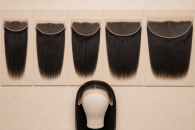
Clip-In Hair Extensions: Fit, Clips, and Care
Quick answer: Choose clip-ins by fiber, shade and texture match, weft weight, clip design, placement, removal, and scalp comfort. More volume should not require painful tension. This independent editorial guide does not claim first-hand testing, live price or inventory, medical treatment, or predictable outcomes.
Quick answer: are clip-in hair extensions worth comparing?
Clip-in hair extensions can add temporary length or fullness when the color, texture, weight, and clip placement match your hair. This page is independent editorial guidance, not a hands-on review, salon service, or official Sally Beauty page.
What clip-ins can and cannot do
| Need | Clip-ins can help when | Be careful when |
|---|---|---|
| Temporary fullness | The wefts blend with your layers and do not feel heavy. | Your hair is very fine, fragile, or recently shedding. |
| Length for one day | The set matches your texture and longest visible layer. | The length jump is large enough to expose the wefts. |
| Color accent | The piece is used as a visible accent or close shade match. | You expect a hidden blend from a very different shade. |
| Heat styling | The product directions allow heat and list a temperature limit. | The fiber type is synthetic or the label is unclear. |
| Everyday wear | The set feels light and clips sit away from sensitive areas. | You feel pulling, scalp soreness, or tension after wear. |
Match extension type to the job
| Clip-in type | Good fit | Comparison note |
|---|---|---|
| One-piece volumizer | Quick fullness at the crown or back. | Fast to place, but harder to hide on short layers. |
| Multi-weft set | Blending around sides and back. | More placement control, but more clips to manage. |
| Face-framing pieces | Adding shape around the front. | Needs close shade and texture matching. |
| Ponytail clip-in | Temporary ponytail length or volume. | Watch the base weight and attachment pressure. |
| Accent color piece | Trying color without dye. | Works better when it is meant to be visible. |
Choose length, weight, and weft count
| Decision | Why it matters | Practical check |
|---|---|---|
| Length | Longer pieces need more hair to hide the transition. | Compare against your longest layer, not only the product photo. |
| Set weight | Heavy sets can pull on fragile areas. | Start lighter if your hair is fine or thin. |
| Weft count | More wefts can blend better, but add clips and tension points. | Use only the pieces needed for the style. |
| Fiber type | Human hair and synthetic hair have different care limits. | Read heat, wash, and product-use directions before styling. |
| Return policy | Shade and texture can be hard to judge online. | Check retailer rules before opening or altering the product. |
Color and texture matching checks
| Check | What to compare | Common issue |
|---|---|---|
| Root area | Depth near the scalp and crown. | A piece that matches the ends may look too light near the roots. |
| Mid-lengths | The shade most people see from the side. | Warm, cool, and neutral tones can clash in daylight. |
| Ends | Brightness and finish at the longest point. | Extensions may look dense if your ends are very soft or layered. |
| Texture | Straight, wavy, curly, or coily pattern. | Brushing or heat may not make different textures blend naturally. |
| Lighting | Indoor light, window light, and outdoor light. | A close match indoors can look different outside. |
Clip placement and scalp comfort
The American Academy of Dermatology warns that hairstyles that pull can contribute to hair loss over time. Clip-ins are temporary, but they should still feel secure without tugging, soreness, or pressure.
| Placement area | Comfort rule | Adjustment |
|---|---|---|
| Crown | Avoid placing heavy wefts where hair is sparse. | Move the piece lower or use fewer clips. |
| Temples | This area can show tension quickly. | Use lighter face-framing pieces or skip the area. |
| Nape | Low pieces may rub collars or tangle. | Keep wefts flat and remove them before sleep. |
| Part line | Clips should not be visible when hair moves. | Leave enough cover hair above each weft. |
| All-day wear | Comfort matters more than fullness. | Remove the set if the scalp feels sore. |
Sally Beauty shopping checklist
If you browse Sally Beauty for clip-in hair extensions, compare product type, shade options, fiber, length, weight, clip count, care directions, and return rules on the current product page. Retailer listings change, so use the product page and package label as the final source before checkout.
| Item to check | Why it matters | Before checkout |
|---|---|---|
| Shade family | Extension color needs to work with roots, mids, and ends. | Compare shade photos in more than one light if available. |
| Texture label | Texture mismatch makes blending harder. | Confirm straight, wavy, curly, or coily pattern details. |
| Fiber and heat limit | Care and styling rules depend on the fiber. | Check whether heat tools are allowed. |
| Piece count | More pieces offer placement control but add clips. | Match piece count to the style, not only the price. |
| Care instructions | Wash, brush, heat, and storage rules affect lifespan. | Read the product directions before using styling products. |
Installation sequence
| Step | Goal | Check before moving on |
|---|---|---|
| Detangle hair and extensions | Reduce pulling during placement. | No knots near clips or ends. |
| Create a clean section | Give each weft a stable base. | The section is horizontal and not too close to the part. |
| Clip from center outward | Keep the weft flat against the head. | No buckling or pinching. |
| Blend lightly | Cover the weft without rough brushing. | Clips are hidden when hair moves. |
| Comfort test | Catch tension early. | Shake your head gently; remove or reposition any sore clip. |
Removal, washing, and storage
| Care step | Reason | Practical habit |
|---|---|---|
| Remove before sleep | Sleeping in clip-ins can pull and tangle hair. | Unclip gently instead of sliding the clip down the hair. |
| Brush from ends upward | Reduces tension on the weft and clips. | Hold the piece near the weft while detangling. |
| Wash only when needed | Overwashing can shorten the product’s useful life. | Follow the label for water temperature and products. |
| Air-dry flat when directed | Heat can damage some fibers. | Use the care method listed by the product maker. |
| Store dry and separated | Prevents tangling and clip stress. | Close clips and keep pieces in a clean bag or hanger. |
When to skip clip-ins or ask a stylist
Skip clip-ins when your scalp is irritated, hair is actively breaking, clips feel painful, or the style requires heavy tension. Ask a licensed stylist when you need color matching, blending with a short cut, curly or coily texture matching, or a plan for thinning areas.
Sources
- Sally Beauty: hair extensions category
- American Academy of Dermatology: hairstyles that pull can lead to hair loss
- American Academy of Dermatology: hair styling without damage
- American Academy of Dermatology: healthy hair tips
- FDA: cosmetics labeling guide
Frequently asked questions
Is this a review of a specific clip-in extension set?
No. This is a source-backed shopping and use guide. It does not claim hands-on testing of a specific product.
Can clip-in extensions damage hair?
They can contribute to pulling, breakage, or discomfort if they are too heavy, placed tightly, worn too long, or used on fragile hair. Remove them if your scalp feels sore.
Should clip-ins match roots or ends?
For a hidden blend, compare roots, mid-lengths, and ends. If your hair has highlights or ombre color, a multi-tone set may look more natural than a flat shade.
Can you heat style clip-in extensions?
Only if the product directions allow heat. Check the fiber type and temperature limit before using a flat iron, curling iron, or blow dryer.
How long can you wear clip-ins?
Use them as temporary pieces and remove them before sleep. If a clip feels tight or your scalp feels tender, take the set out sooner.