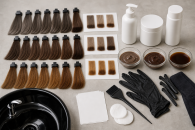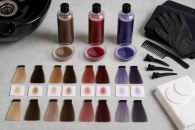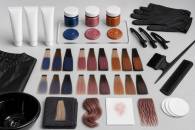
Wash-Out Hair Color Mousse: Finish, Transfer, Fade, and Removal Guide

Direct answer: wash-out hair color mousse uses an airy foam to spread temporary pigment through the hair, sometimes adding volume, definition, or light hold. Dispense only the amount directed, work through controlled sections before the foam collapses, let the style dry completely, and check for transfer. Remove it with the stated shampoo and rinse sequence rather than assuming one wash will clear every formula and hair type.
Mousse is not simply liquid dye with bubbles. Foam expansion affects measurement, distribution, coating thickness, and how quickly the product becomes difficult to spread.
Identify the mousse category from the label
Confirm whether the product is color-depositing styling mousse, a one-event wash-out color, a root-blending foam, or another format. Read whether hair should be wet, damp, or dry; whether gloves are directed; and whether the formula is left in or rinsed before styling.
Do not use directions from ordinary non-pigmented mousse or permanent foam color. Similar dispensers can contain products with different chemistry, timing, and warning requirements.
Record the starting base and texture
Assess dry base depth, undertone, porosity, density, curl pattern, previous color, and condition. A pale foam can still deposit strong pigment, while a vivid foam may show only a tonal effect on dark hair. Package color cannot establish the dry result.
Use the light blue hair guide for starting-depth context when planning a pale fashion shade, without equating mousse with permanent or direct liquid color.
Choose placement before dispensing
Decide between tips, selected curls, a hidden panel, root blending, or broad distribution. Prepare clips, gloves when directed, a cape, an expendable towel, and a clean working surface before pumping foam.
Mousse loses volume as it sits. A prepared section plan reduces the need to rush or dispense repeated oversized amounts.
Complete a representative section test
Follow every required warning and skin-check direction. Apply the exact intended amount to a hidden section with representative base, porosity, and texture. Let it dry fully before evaluating color, hold, volume, cast, stiffness, flakes, rub-off, and washout.
A test on straight outer hair may not predict distribution through dense curls. A wet or freshly foamed section also cannot establish the final shade.
Measure foam by controlled pumps
Shake or prime only as the instructions state. Hold the container in the required orientation and count pumps rather than filling the palm without a reference. Dispense onto a gloved hand or approved dish and use the foam promptly.
Start with less than the maximum likely amount. Excess mousse can wet the section, collapse volume, produce a hard cast, and increase transfer without improving color.
Distribute through manageable sections
Spread foam across both the outer and inner surfaces of a section. Use gloved fingers, a wide-tooth comb, or another tool only when compatible with the directions and texture. Avoid aggressive combing through fragile or tangled hair.
For curls, use small groups and preserve the natural pattern. For straight or wavy panels, keep the boundary controlled. The hair mousse guide provides adjacent hold and volume context, but pigment changes the transfer and cleanup decisions.
Separate color coverage from styling performance
Assess pigment visibility, evenness, hold, volume, definition, cast, movement, and residue as separate outcomes. A mousse can provide useful styling but weak color, or visible color with too much stiffness for the intended look.
Do not add more only because one dimension is weak. More pigment-bearing foam may change every other dimension at the same time.
Let the style reach its dry endpoint
Follow the stated air-dry or styling method. Do not introduce unlisted heat or mix in another styling product to accelerate setting. Touching the hair while the foam is wet can move pigment and disturb section definition.
After drying, inspect under indoor and natural light. Check inner sections, roots, ends, and contact points near collars or shoulders.
Run tissue and fabric checks
Press a clean white tissue lightly against a hidden dry section and lift without rubbing. If the style will touch clothing, hats, bedding, or upholstery, repeat a gentle contact check with expendable pale fabric.
No wash-out mousse should be assumed transfer-free. Foam load, incomplete drying, friction, sweat, rain, humidity, oil, and later reactivation can change rub-off.
Plan around moisture and restyling
Moisture can soften a styling cast and move surface pigment. Re-scrunching, brushing, or applying water may change both color distribution and hold. Use only a label-supported refresh method.
Do not layer another handful of mousse over a damp or dusty coating without checking residue. Additional foam can create uneven saturation and longer drying.
Understand fade as wear plus washing
Color can become less visible through contact, brushing, moisture, flaking, and shampoo. This physical change differs from oxidative color growing out. Record whether pigment is leaving on fabric, in rinse water, or through ordinary styling.
The direct-color guide helps compare deposit-only color with a styling foam whose hold and pigment can change together.
Remove mousse thoroughly
Follow the maker’s endpoint. Wet hair as directed, distribute shampoo through all coated sections, and rinse while protecting the eyes. Dense or coiled hair may need deliberate separation so cleanser reaches inner strands. Repeat only when the instructions and hair condition permit it.
Do not use household solvents or oxidative color remover on temporary styling residue. Verify rinse water, inner sections, and a light towel before concluding that pigment is gone.
Clean the dispenser and tools
Wipe the outlet by the stated method and replace the cap. Do not insert objects into a pressurized valve. Wash reusable combs, clips, bowls, and other approved tools before the pigment dries, and avoid sharing items that contact the product.
Store the container at the required temperature and away from heat. Keep the label and warnings with the formula.
Color mousse checklist
- Identify whether the product is leave-in wash-out color or another foam category.
- Record base depth, texture, porosity, and prior color.
- Select placement and prepare sections before dispensing.
- Complete required checks and a representative section test.
- Count controlled pumps and use the foam promptly.
- Distribute through inner and outer section surfaces.
- Judge color and styling dimensions separately.
- Let the style dry by the approved method.
- Complete tissue and fabric transfer checks.
- Shampoo, rinse, inspect, and clean tools as directed.
Sources and scope
The FDA hair dye guidance supports following directions, completing instructed skin checks, using gloves when directed, protecting the eyes, observing timing, and avoiding irritated scalp conditions for hair-color products. The American Academy of Dermatology coloring guidance supports cautious label-led use and attention to hair condition. Neither source endorses color mousse or establishes shade, hold, transfer resistance, duration, moisture response, or washout for a specific formula.