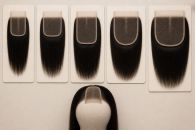
360 Lace Wigs: What the Label Means and What to Check

Quick answer: A “360 lace” label needs context. Some manufacturers use it for lace around the cap edge; others use “360°” to describe stretch. Check the model’s exact perimeter, crown construction, and separate frontal dimensions before assuming the whole top is lace.
Does 360 describe lace coverage or cap stretch?
It can describe different things. In an Outre catalog example, the maker lists “360 all around hand-tied lace edges” and separately lists a 13-by-6-inch HD lace frontal on the same product. Jon Renau uses “360° stretch” for a cap feature that stretches front-to-back and ear-to-ear. Those manufacturer examples show why the word alone is not enough to identify the lace area.
Compare the construction, not just the number
| Check | Question for the exact product |
|---|---|
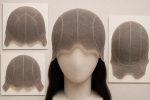
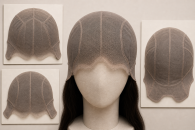
| Perimeter | Is lace shown along the front, both sides, and nape, or is “360” describing stretch? |
| Crown | Is the center open, wefted, monofilament, or a separate lace panel? |
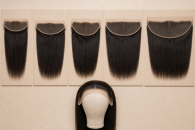
| Frontal panel | Does the listing separately state a frontal size such as 13×6? What area does that measurement refer to? |
| Fit and care | Where is the model’s own cap-size chart and handling card? |
What can a product photo confirm?
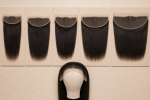
Front-only photos rarely show the nape or crown. Look for front, inside, side, and back views from the same model. If those views are missing, ask the seller to confirm the perimeter material and the central crown construction in writing. Do not infer that a ponytail style is supported from the term “360” alone.
For a front-only coverage decision, compare the frontal-size guide. For a broader cap-coverage claim, see how to check a full-lace cap.
Editorial scope: The examples below are manufacturer descriptions, not our own wear test. The Outre catalog example is dated; check a current model page for availability and specifications.