Best BB Cream for Oily Skin: Matte, SPF, and Shade

The best BB cream for oily skin is the one that gives light base coverage, a controlled finish, a believable shade match, and label wording that fits your skin type. Use this guide to compare BB cream with foundation, skin tint, tinted sunscreen, primer, and concealer without turning a makeup choice into a skin-care promise.
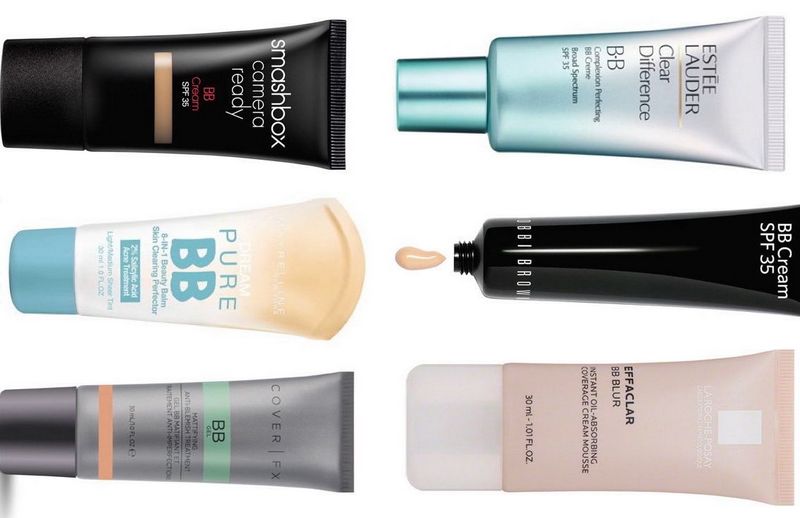
Quick Answer: What BB Cream Works for Oily Skin?
Start with an oil-free, non-comedogenic, or won't-clog-pores label; a natural matte or soft matte finish; and a shade that still looks right after it dries. BB cream is usually lighter than foundation, so it works best when you want quick evening of tone rather than full spot coverage.
| Need | BB cream direction | Why it matters | Watch out for |
|---|---|---|---|
| Shiny T-zone | Soft matte or natural matte finish | Keeps the base from looking slick too quickly | Very dewy labels on already oily areas |
| Visible pores | Thin layers with a smoothing primer only where needed | Less product sits in texture | Heavy layering across the whole face |
| Acne-prone makeup routine | Non-comedogenic or won't-clog-pores wording | Matches AAD makeup label guidance | Assuming the label is a personal guarantee |
| Outdoor daytime wear | SPF label plus normal sunscreen planning | Makeup layers are often thinner than sunscreen directions | Using a tiny dot of SPF makeup as the only sun step |
| Uneven tone | Light to medium coverage | Balances color without a heavy foundation look | Expecting full concealer-level coverage |
| Longer wear | Powder only the oily zones | Controls shine without drying the whole face | Powdering before the cream settles |
BB Cream vs Foundation, Skin Tint, and Tinted Sunscreen
Base-makeup names overlap, so judge the product by coverage, finish, SPF wording, and how it behaves on oily areas. FDA cosmetic guidance describes makeup as a cosmetic category, while SPF claims bring additional sunscreen rules. That makes label reading more useful than relying on the product name alone.
| Product type | Typical role | Oily-skin fit | Use instead when |
|---|---|---|---|
| BB cream | Light base, tone evening, sometimes SPF | Good for quick makeup when finish is not too dewy | You need high coverage or a very exact shade range |
| Skin tint | Sheer color and fresh finish | Best when you want minimal coverage | You need oil control or more visible coverage |
| Tinted sunscreen | Sunscreen product with tint | Useful when the label and amount fit your sun routine | You want makeup coverage more than SPF use |
| Foundation | More coverage and broader shade systems | Better for events or visible uneven tone | You want a lighter everyday base |
| Concealer | Small-area coverage | Better for spots after a thin base | You want a full-face base product |
Label Checklist for Oily Skin
AAD oily-skin guidance points to oil-free and non-comedogenic products when choosing skin-care and cosmetic items. AAD acne makeup guidance gives similar direction for makeup labels, including non-comedogenic or won't-clog-pores language. These labels help narrow the shelf, but they do not predict every person's reaction.
| Label phrase | Useful signal | Limit | How to test it |
|---|---|---|---|
| Oil-free | Often lighter on oily zones | Can still feel heavy depending on film formers | Check T-zone shine after several hours |
| Non-comedogenic | Designed with pore-clogging concerns in mind | Not a guarantee for your skin | Try one new base product at a time |
| Won't clog pores | Plain-language version shoppers can spot quickly | Other parts of the formula still matter | Track changes after normal wear and removal |
| Matte | Less shine from the finish itself | Can cling to dry patches | Use light moisturizer first if needed |
| Hydrating | Can make a matte base look smoother | May look dewy on oily areas | Use only if the finish dries down enough |
| SPF | Shows a sunscreen claim on the product | Makeup amount is often too thin for full label use | Pair with a sunscreen routine that follows directions |
Coverage and Finish Matrix
For oily skin, the best-looking base is usually thinner than expected. A heavy layer can collect around pores and smile lines. Start with the finish you want, then decide whether BB cream has enough coverage or whether you need foundation or concealer for specific areas.
| Finish | Coverage level | Best use | Risk on oily skin |
|---|---|---|---|
| Natural matte | Light to medium | Everyday oily-skin base | Can look flat if over-powdered |
| Soft matte | Light | Quick makeup and T-zone control | May need spot concealer for marks |
| Dewy | Sheer to light | Dry cheeks with oily T-zone | Can become shiny faster |
| Radiant | Light to medium | Dull-looking skin that still needs balance | May emphasize texture in direct light |
| Fuller coverage BB | Medium | One-product base for uneven tone | Can transfer or cake if layered heavily |
Shade, Undertone, and Oxidation Checks
Oily skin can make base products look darker, warmer, or shinier after wear. Test shade after the product dries, then check it in daylight if possible. A good BB cream should still blend into the jawline after the first hour, not only when freshly applied.
- Swatch near the jawline instead of only on the wrist.
- Let the product dry before judging the shade.
- Compare the face and neck in daylight.
- Use less product around the nose and chin, where oil usually breaks through first.
- Choose concealer for small marks instead of adding more BB cream everywhere.
SPF and Sunscreen Boundaries
Some BB creams include SPF, but SPF wording should be read as a label instruction, not as a reason to under-apply sunscreen. FDA sunscreen guidance focuses on following product directions, and a thin makeup layer may not match the amount a sunscreen label expects. If sun exposure matters for the day, plan sunscreen first and use BB cream as makeup unless the SPF product is applied according to its directions.
| Situation | Better approach | Why |
|---|---|---|
| Short indoor day | Use your normal base routine | Coverage and finish may be the main concern |
| Outdoor errands | Use sunscreen as directed, then add BB cream if wanted | Makeup layers are usually thin |
| BB cream with SPF | Read the full label | SPF claims depend on product directions |
| Very oily T-zone | Let sunscreen set before BB cream | Reduces sliding and pilling |
| Reapplication day | Use an SPF reapplication method that fits makeup | One morning layer may not be the whole plan |
Application Routine for Oily Skin
- Start with clean skin and clean tools.
- Use a light moisturizer if your skin feels tight after cleansing.
- Apply sunscreen first when it is part of the day's routine.
- Let skin-care layers settle before BB cream.
- Place a small amount of BB cream in the center of the face.
- Blend outward with fingers, a sponge, or a brush.
- Add concealer only on areas that still need more coverage.
- Press powder on the T-zone after the cream settles.
- Blot shine later instead of adding repeated cream layers.
When to Choose Primer, Foundation, or Concealer Instead
BB cream is not the right answer for every base-makeup problem. If you mainly need oil control under makeup, start with a primer page. If you need stronger coverage, compare foundation. If only a few spots show, use a thin base with targeted concealer.
| Main issue | Better page or product type | Reason |
|---|---|---|
| Makeup separates quickly | Primer for oily skin | Priming may matter more than switching BB cream |
| Need more coverage | Foundation guide | Foundation gives a stronger base structure |
| Spot coverage | Concealer for acne-prone skin | Concealer targets marks without thick full-face layers |
| Gentle removal | Makeup remover guide | Long-wear base needs removal without heavy rubbing |
| Very sheer look | Skin tint | BB cream may be more coverage than needed |
Common Mistakes
- Choosing a dewy BB cream when your main concern is midday shine.
- Using BB cream as full concealer instead of spot-covering only where needed.
- Assuming non-comedogenic means every user will like the formula.
- Skipping removal before bed because the base feels light.
- Applying powder before the cream has settled.
- Ignoring oxidation and judging shade only while the product is wet.
- Using a small dot of SPF makeup as the whole sunscreen plan for outdoor days.
Sources
- AAD: How to control oily skin
- AAD: Makeup guidance for acne-prone skin
- AAD: Skin-care habits that can worsen acne
- AAD: When to replace makeup and sunscreen
- FDA: Makeup
- FDA: Cosmetic and SPF claim boundaries
- FDA: Sunscreen label guidance
- FDA: Cosmetics safety Q&A
FAQ
What is the best BB cream for oily skin?
Choose a BB cream with oil-free, non-comedogenic, or won't-clog-pores wording, a soft matte finish, and a shade that still matches after dry-down. Use concealer only where more coverage is needed.
Is BB cream better than foundation for oily skin?
BB cream is better when you want lighter coverage and a faster routine. Foundation is better when shade range, coverage, or longer wear is more important.
Should oily skin use matte or dewy BB cream?
Most oily-skin routines start more easily with natural matte or soft matte finishes. Dewy finishes can work on dry areas, but they may look shiny faster on the T-zone.
Can I wear BB cream every day?
You can wear BB cream daily if the formula suits your skin, you remove it before bed, and you introduce new base products one at a time.
Does non-comedogenic BB cream guarantee no clogged pores?
No. Non-comedogenic is useful shopping language, but it is not a personal guarantee. Watch how your skin looks with normal wear and removal.
Can BB cream with SPF replace sunscreen?
Do not rely on a thin makeup layer as the only sunscreen step for outdoor days. Read the product label and use sunscreen according to directions when sun exposure matters.
How do I keep BB cream from sliding on oily skin?
Use thin layers, let skin care settle, powder only the oily zones, and blot later instead of adding repeated cream layers.