Primer for Acne-Prone Skin: Label and Wear Guide

The best primer for acne-prone skin is a makeup base that fits your finish and wear needs, carries a non-comedogenic or won’t-clog-pores label, and does not make your skin feel worse. Primer can smooth the appearance of texture or help makeup wear more evenly, but it is not an acne treatment and cannot guarantee that a breakout will not occur.
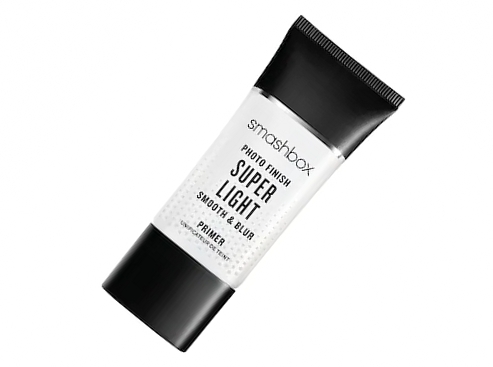
Choosing primer for acne-prone skin
Quick Answer: Which Primer Type Fits Your Routine?
| Your main need | Primer direction | Check before buying |
|---|---|---|
| Oil and shine | Lightweight matte or oil-control finish | Whether it dries comfortably instead of feeling tight |
| Visible pores or texture | Smoothing primer used in a thin layer | Whether foundation layers over it without pilling |
| Dry acne treatment areas | Hydrating or flexible natural-finish primer | Whether it catches on flakes |
| Red-looking areas | Optional sheer green tint under skin-tone makeup | Whether the tint disappears after blending |
| Long wear | Grip-style primer compatible with your foundation | Whether it removes gently at the end of the day |
The American Academy of Dermatology says people with acne can wear makeup and recommends checking labels for “oil-free,” “won’t clog pores,” or “non-comedogenic.” These labels help narrow the search, but no label can predict every person’s response.
Primer Is Makeup, Not Acne Treatment
A primer can change how foundation looks and wears. It may reduce visible shine, blur the look of pores, add hydration, or help another base product spread more evenly. It does not unclog pores, cure acne, kill bacteria, or replace a treatment plan merely because the marketing mentions blemishes.
Some primers contain ingredients also used in skin-care or over-the-counter drug products. Judge the product by its complete label and directions. Do not assume that a familiar ingredient turns a cosmetic primer into an appropriate acne treatment.
For targeted coverage after primer, see our concealer guide for acne-prone skin. If you prefer a lighter all-in-one base, compare the finish guidance in our BB cream guide for oily skin.
How to Read Primer Labels
| Claim | Useful interpretation | Do not assume |
|---|---|---|
| Non-comedogenic | Designed not to clog pores for most users | It guarantees zero breakouts. |
| Oil-free | The formula omits oils as defined by the manufacturer | It will automatically control all shine. |
| Mattifying | Designed to reduce the appearance of surface shine | More product creates a better matte finish. |
| Hydrating | Designed to reduce a dry or tight finish | It replaces moisturizer for every skin type. |
| Pore-blurring | Temporarily changes the look of texture under makeup | It changes actual pore size. |
| Acne-fighting | Requires closer review of the product category and directions | A cosmetic claim is a treatment guarantee. |
Match Primer to Foundation
Primer and foundation can pill or separate when their films do not layer well, when skin care has not set, or when too much product is used. Start with a small amount. Let sunscreen and skin care settle, then press or smooth a thin layer only where it improves the finish.
- Apply your normal skin care and sunscreen in their usual order.
- Wait until the surface no longer feels wet or slippery.
- Use a small amount of primer, concentrating on the areas that need it.
- Let the primer set according to its directions.
- Apply foundation in a thin layer and add coverage only where needed.
- Remove all makeup before bed with a routine that does not require harsh scrubbing.
Hygiene Matters as Much as the Formula
AAD acne guidance recommends removing makeup before bed, applying makeup gently, cleaning makeup brushes weekly, and not sharing makeup or applicators. A well-labeled primer cannot compensate for repeatedly using a dirty tool or sleeping in makeup.
| Habit | Better practice | Reason |
|---|---|---|
| Using the same sponge for weeks | Wash reusable tools regularly and let them dry fully | Removes old product and improves application consistency. |
| Dipping fingers into a jar | Use clean hands or a clean spatula | Limits repeated direct contact with the product. |
| Sharing primer or tools | Keep makeup and applicators personal | Reduces transfer between users. |
| Heavy rubbing during removal | Use a compatible remover and gentle cleanser | Reduces avoidable irritation. |
How to Test a New Primer in Your Routine
Change one base product at a time and use it consistently enough to observe wear, comfort, and removal. Stop if it repeatedly causes burning, swelling, a rash, or a clear worsening pattern. Because blemishes can have several causes, a new breakout does not by itself prove which ingredient is responsible.
If your skin is dry from treatment or seasonal conditions, a heavy matte primer may exaggerate flakes. Our primer guide for dry skin covers texture and finish tradeoffs. For a broader sensitive-skin makeup routine, see makeup label and formula checks.
What to Skip
- Claims that primer cures acne or permanently shrinks pores.
- Choosing several active-ingredient makeup products at once.
- Applying a thick layer over inflamed or broken skin.
- Using more powder and primer to force a completely shine-free finish.
- Sharing makeup brushes or applicators.
- Sleeping in primer because the package says non-comedogenic.
Sources
- American Academy of Dermatology: I Have Acne – Is It Okay to Wear Makeup?
- American Academy of Dermatology: Face Washing 101
- U.S. Food and Drug Administration: Cosmetics Labeling
- U.S. Food and Drug Administration: Using Cosmetics Safely
Common Questions
Does acne-prone skin need primer?
No. Primer is optional. Use it only when it improves makeup application or wear without adding irritation or making removal harder.
Is silicone primer bad for acne-prone skin?
A single ingredient category does not predict every person’s response. Review the complete formula, look for relevant label terms, apply a thin layer, and observe how the product behaves in your routine.
Can primer treat acne?
Primer is primarily a makeup product. Do not replace an acne-care plan with a primer unless a qualified health professional has specifically advised how a labeled treatment product fits your routine.