Primer for Dry Skin: Texture, Finish, and Wear

Quick answer: Start with a comfortable moisturizer and sunscreen when needed, then choose primer by texture, finish, makeup grip, pilling, and removal. More layers do not automatically fix dry patches. This independent editorial page does not claim first-hand product testing, live inventory, or universal outcomes.
The best primer for dry skin is the one that supports your skin prep, feels comfortable under base makeup, and does not make dry patches look more visible. Start with moisturizer and sunscreen when needed, then choose primer by texture, finish, makeup grip, label directions, and how easily the full routine removes at night.
Quick Answer: How to Choose Primer for Dry Skin
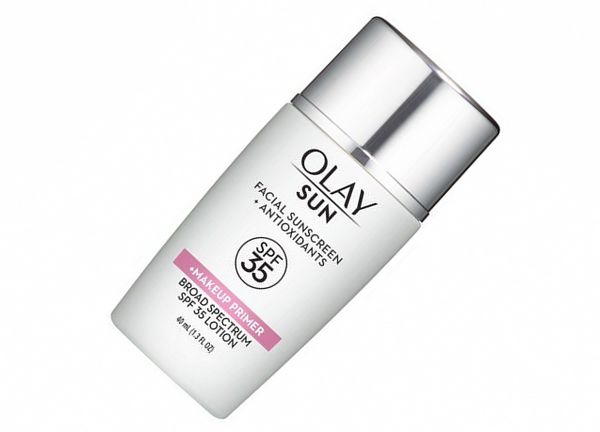
Choose a hydrating, smoothing, or soft-grip primer based on what goes wrong with your makeup. If foundation clings to patches, start with moisturizer and a flexible primer. If makeup fades, try a gripping texture in thin layers. If the base looks dull, choose a soft radiant finish rather than heavy shimmer.
| Primer direction | Best for dry skin when | Texture clue | Watch out for |
|---|---|---|---|
| Hydrating primer | Foundation clings or skin feels tight | Cream, lotion, or gel-cream feel | Too much slip can shorten makeup wear |
| Smoothing primer | Texture shows through base makeup | Soft-focus or cushiony feel | Thick layers can pill over moisturizer |
| Soft-grip primer | Makeup fades but skin still feels dry | Tacky feel after a thin layer | Can grab unevenly on dry patches |
| Radiant primer | Base looks flat or dull | Subtle glow without chunky sparkle | Strong shimmer can highlight flakes |
| Silicone-feel primer | Foundation needs glide over texture | Velvety slip | May not pair with every foundation |
| Water-light primer | You dislike heavy layers | Thin gel or serum feel | May need more moisturizer underneath |
Dry Skin Primer Buying Checklist
A dry-skin primer should work with the skin-care layer beneath it and the foundation above it. Check the label, texture, finish, and dry-down before judging it only by the first swipe.
| Check | Why it matters | Good sign |
|---|---|---|
| Skin prep fit | Primer cannot replace basic moisture | It sits smoothly over moisturizer |
| Texture | Dry patches show texture quickly | Thin layer spreads without dragging |
| Finish | Dry skin can look dull under matte base | Natural, satin, or soft-radiant result |
| Foundation pairing | Some layers pill or separate together | Primer and foundation blend without rolling |
| Label directions | Cosmetics should be used where intended | Face use and warnings are clear |
| Removal comfort | Long-wear layers can cling to dry skin | Makeup removes without hard rubbing |
Choose by Makeup Goal
The same primer will not solve every dry-skin makeup issue. Match the product direction to the main problem: tight feel, patchy foundation, short wear, dull finish, or sunscreen layering.
| Makeup goal | Primer direction | Routine note |
|---|---|---|
| Everyday comfortable base | Hydrating or gel-cream primer | Apply after moisturizer has settled |
| Smoother foundation | Smoothing primer on textured zones | Use only where texture shows |
| Longer wear | Soft-grip primer in a thin layer | Avoid overapplying on flaky areas |
| Less dullness | Soft radiant primer | Keep shimmer subtle around dry patches |
| Sunscreen under makeup | Compatible primer after sunscreen sets | Do not rub layers aggressively |
| Dry cheeks, oily T-zone | Hydrating primer on cheeks, lighter primer on T-zone | Use different amounts by face area |
Layering Routine for Dry Skin
A primer works better when the skin-care layer beneath it is not rushed. The American Academy of Dermatology publishes guidance on relieving dry skin and gentle face washing; those basics matter before primer, foundation, and powder go on top.
| Step | What to do | Why it helps |
|---|---|---|
| 1. Cleanse gently | Wash without harsh scrubbing | Limits extra dryness before makeup |
| 2. Moisturize | Use a moisturizer that feels comfortable under makeup | Reduces tight feel and patchy base |
| 3. Add sunscreen for daytime | Follow the sunscreen label and let it settle | Helps the next layer apply more evenly |
| 4. Apply primer thinly | Press or smooth only where needed | Too much product can pill or slide |
| 5. Apply base makeup | Use thin foundation layers and spot coverage | Dry skin often looks better with less buildup |
| 6. Remove gently | Use makeup remover and cleanse without hard rubbing | Prevents leftover layers from sitting overnight |
Labels, Color Additives, and Safety
The FDA publishes consumer information about cosmetics, cosmetic labeling, and color additives. For primer, this means reading directions, using products only where intended, and avoiding non-cosmetic color or craft products on the face. AAD guidance on replacing old makeup also applies to primers and base products.
- Follow the label before using primer near the eyes, lips, or irritated skin.
- Do not use non-cosmetic glitter, paint, craft color, or markers as face makeup.
- Close caps tightly and avoid adding water to primer unless the label says to do so.
- Replace products that smell different, separate unexpectedly, or irritate your skin.
- Stop using a formula that causes burning, swelling, rash, or persistent discomfort.
Common Dry-Skin Primer Mistakes
- Using primer instead of moisturizer when the skin already feels tight.
- Layering too much primer, which can make foundation pill or separate.
- Choosing a very matte primer when the base already looks dry.
- Rubbing sunscreen, primer, and foundation together before each layer settles.
- Using a gripping primer over visible flakes instead of smoothing skin prep first.
- Keeping old primer after the smell, texture, or performance changes.
Best-Fit Scenarios
For flaky dry patches
Use gentle skin prep first, then a thin smoothing or hydrating primer only where foundation catches. Avoid dragging thick foundation over the patch.
For dry skin with texture
Try a smoothing primer on textured zones and a lighter primer elsewhere. Applying one heavy layer across the whole face can make texture more visible.
For sunscreen under makeup
Let sunscreen settle before primer. If the layers pill, reduce rubbing and test a smaller amount of primer over the sunscreen.
For matte foundation on dry skin
Use moisturizing skin prep and consider a hydrating or satin primer under matte base. Set powder only where needed.
For sensitive-feeling dry skin
Keep the routine short, read the label, and stop using products that sting or burn. Cosmetic primer should make makeup easier, not add discomfort.
Sources
- FDA: Cosmetics
- FDA: Cosmetics labeling
- FDA: Color additives and cosmetics fact sheet
- AAD: Dermatologists tips to relieve dry skin
- AAD: Face washing 101
- AAD: When to replace makeup and sunscreen
FAQ
Which primer is best for dry skin?
Dry skin usually does well with hydrating, smoothing, or soft-radiant primer, but the right choice depends on your moisturizer, foundation, sunscreen, and whether makeup clings, pills, fades, or looks dull.
Should dry skin use primer before foundation?
Primer can help when foundation clings or fades, but moisturizer and gentle skin prep matter first. If foundation already applies smoothly, you may need primer only on certain zones.
Why does primer pill on dry skin?
Pilling often happens when layers are too thick, rubbed too much, or not compatible. Use less product, let moisturizer or sunscreen settle, and press primer instead of scrubbing it in.
Is gripping primer good for dry skin?
A gripping primer can help makeup last, but use a thin layer and avoid flaky patches. Very tacky textures can make dry areas look uneven if the skin underneath is not prepped.
Can primer replace moisturizer for dry skin?
No. Primer is a makeup-prep product, while moisturizer is part of skin care. Dry skin usually needs moisturizer first, then primer only if it improves the makeup layer.
Related Beauty Supply Reviews guides
Continue with this related guide and this next-step guide. These links support reader navigation rather than a product or outcome claim.
Core editorial sources
- https://www.aad.org/public/everyday-care/skin-care-basics/care/face-washing-101
- https://www.fda.gov/cosmetics/resources-consumers-cosmetics/using-cosmetics-safely