Beginner Makeup Tutorial: Routine, Tools, and Safety

Quick answer: A beginner routine can stay simple: prepare the skin, apply a light base only where needed, define brows, add blush, choose one easy eye step, and finish with lips. Clean tools and remove the look before sleep. This independent editorial page does not claim first-hand product testing or universal outcomes.
A beginner makeup routine works better when each step has a clear job: skin prep, light base, brows, simple eye definition, cheek color, lip color, cleanup, and gentle removal. Start with products you can apply in thin layers, then add stronger color only after the routine feels repeatable.

Quick Answer: Beginner Makeup Routine
For most beginners, the easiest routine is face wash, moisturizer, daytime sunscreen, light base, concealer only where needed, brow grooming, neutral eye color, mascara, blush, lip color, and a gentle evening cleanse. Keep the first routine simple so you can learn placement before adding more products.
| Routine step | Product or tool | Beginner purpose | Common mistake |
|---|---|---|---|
| Skin prep | Cleanser, moisturizer, daytime sunscreen | Creates a comfortable base | Skipping prep, then adding too much base makeup |
| Base | Tinted moisturizer, skin tint, or light foundation | Evens tone without hiding skin texture | Using a thick layer before blending practice |
| Concealer | Small brush or fingertip | Targets redness, shadows, or spots | Covering the whole face with concealer |
| Brows | Clear gel, pencil, or powder | Frames the face softly | Drawing a heavy block shape |
| Eyes | Neutral shadow, liner, mascara | Adds definition near the lashes | Starting with dark colors before placement is controlled |
| Cheeks | Blush, optional bronzer or highlighter | Brings color back after base makeup | Placing cheek color too low or using too much at once |
| Lips | Balm, gloss, tint, or lipstick | Finishes the look with low effort | Choosing a dry formula before learning lip prep |
| Removal | Makeup remover and gentle cleanser | Clears makeup without hard rubbing | Rubbing eyes or leaving residue overnight |
Starter Kit Checklist
A beginner kit does not need every product in a full makeup bag. Choose items that are easy to blend, easy to remove, and clearly labeled for the area where you plan to use them.
| Product type | Why you use it | Beginner buying check |
|---|---|---|
| Cleanser | Removes oil, makeup residue, and daily buildup | Comfortable after rinsing; no harsh scrubbing needed |
| Moisturizer | Helps base makeup sit more evenly | Works under makeup without pilling |
| Daytime sunscreen | Supports daily skin-care routine before makeup | Label directions are clear for face use |
| Skin tint or light foundation | Evens tone while keeping blending simple | Shade matches jawline in normal light |
| Concealer | Adds coverage only where wanted | Thin texture; can be tapped out with a finger or small brush |
| Neutral eye product | Teaches lid placement and depth | Matte or soft satin shades are easier than glitter |
| Mascara | Defines lashes quickly | Brush size feels controllable near the eye |
| Blush and lip color | Adds color with minimal steps | Cream or sheer formulas blend in thin layers |
Step-by-Step Beginner Makeup Routine
Work in thin layers and check the face in normal light between steps. It is easier to add a little more color than to remove too much product after everything is layered.
- Wash your face gently, then apply moisturizer and daytime sunscreen when the look is for daytime.
- Apply a small amount of skin tint or light foundation from the center of the face outward.
- Tap concealer only where extra coverage is useful, such as under-eye shadows or redness.
- Brush brows upward and fill sparse areas with short, light strokes if needed.
- Use one neutral eyeshadow shade across the lid, then add mascara at the upper lashes.
- Add blush high on the cheeks and blend the edges before adding any bronzer or highlighter.
- Use lip balm, gloss, tint, or lipstick based on how much color you want.
- Check edges around the jaw, hairline, brows, and eye area before setting or finishing.
Tools, Brushes, and Hygiene
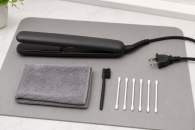
Tools should make makeup easier, not more complicated. A sponge, a small concealer brush, a fluffy eye brush, a blush brush, cotton swabs, and a clean towel are enough for many beginner routines. The American Academy of Dermatology recommends cleaning makeup brushes, and it also publishes guidance on when old makeup should be replaced.
- Wash hands before applying makeup with fingers.
- Keep brushes dry between uses and clean them on a steady schedule.
- Avoid sharing mascara, liner, lip products, and tools used near the eyes or mouth.
- Close caps tightly so creams, pencils, and liquids do not dry out.
- Replace makeup that changes smell, texture, or color, or that causes irritation.
Eye, Lip, and Label Safety
The FDA publishes guidance on cosmetics, cosmetic labeling, eye cosmetic safety, and color additives in cosmetics. For beginner makeup, this means reading labels, using eye-area products only as directed, and avoiding non-cosmetic color products on the face.
| Safety check | Why it matters | Beginner habit |
|---|---|---|
| Eye-area directions | Products near the eye need clear intended use | Use liner, mascara, adhesive, or color only where the label allows |
| Color additives | Cosmetic colors are regulated by intended use | Do not use craft paint, markers, or non-cosmetic glitter on the face |
| Patch awareness | Skin can dislike a formula even when the product is common | Stop using products that sting, burn, or cause persistent discomfort |
| Removal | Hard rubbing can bother skin and eyes | Let remover soften makeup, then wipe gently and cleanse |
Simple Looks for Beginners
Natural everyday makeup
Use light base, concealer only where needed, clear brow gel, mascara, cream blush, and a tinted balm. This is the easiest look for practicing even blending.
Soft glam makeup
Add one deeper neutral shade at the outer eye, a slightly stronger blush, and a satin lip color. Keep eyeliner thin so the look stays easy to adjust.
Quick five-minute makeup
Choose moisturizer, spot concealer, brow gel, mascara, blush, and lip color. Skip steps that need careful edges when time is short.
First event makeup
Use the everyday routine as the base, then add a longer-wear lip color or a little more cheek color. Test the routine before the event day.
Photo-friendly makeup
Blend the jawline, check concealer in natural light, and keep cheek color visible but soft. Photos often show unblended edges more clearly than a mirror.
Sources
- FDA: Cosmetics
- FDA: Eye cosmetic safety
- FDA: Color additives and cosmetics fact sheet
- FDA: Cosmetics labeling
- AAD: When to replace makeup and sunscreen
- AAD: How to clean makeup brushes
- AAD: Face washing 101
FAQ
What makeup should a beginner start with?
Start with cleanser, moisturizer, daytime sunscreen, a light base, concealer, brow gel or pencil, neutral eye color, mascara, blush, lip color, and makeup remover. Add extra steps only after the core routine feels easy.
What is the easiest makeup routine for beginners?
The easiest routine is skin prep, light base, spot concealer, brows, mascara, blush, and lip color. This gives structure without requiring advanced contour, heavy shadow, or a detailed liner shape.
Should beginners use foundation or tinted moisturizer?
A tinted moisturizer or skin tint is often easier because it blends in thin layers. Foundation can still work if you choose a light texture and apply a small amount first.
How do beginners keep eye makeup safe?
Read labels, avoid sharing mascara or eyeliner, keep tools clean, and use products near the eyes only where the label supports that placement. Stop using anything that irritates your eyes.
How should beginners remove makeup?
Use a remover that matches the makeup you wore, give it time to soften mascara or long-wear base, then cleanse gently. Avoid hard rubbing around the eyes and lash line.
Related Beauty Supply Reviews guides
Continue with this related guide and this next-step guide. Both links are included for reader navigation, not as proof of a product or outcome claim.
Core editorial sources
- https://www.fda.gov/cosmetics/cosmetic-products/makeup
- https://www.fda.gov/cosmetics/resources-consumers-cosmetics/using-cosmetics-safely