Lace-Front Wigs: Fit, Material, Density, Installation, Care, and Removal

Direct answer: choose a lace-front wig by measuring the head and comparing the exact cap circumference, ear-to-ear span, front-to-nape length, adjustable range, lace area, hairline shape, fiber, density, length, color, parting space, attachment method, cleaning directions, and replacement signs. The lace should lie without painful pressure, repeated pulling, sharp edges, adhesive on irritated skin, or a cap that shifts because it is too large. A pre-plucked hairline, transparent lace, human-hair label, or high density does not guarantee an invisible edge, universal fit, secure hold, skin tolerance, or damage-free wear.
Start with the cap, not the hairstyle
Record circumference around the intended cap line, front to nape, ear to ear across the forehead, ear to ear over the crown, temple to temple, and nape width. Compare those measurements with the current maker’s size chart and adjustment range. Measure over the hair preparation you will actually wear. A flat hairstyle can change the fit, but it should not require painful braiding or excessive compression. If the cap buckles, rides upward, leaves deep marks, or depends on overtightened straps, revise the size or construction.
Identify what lace-front means for this unit
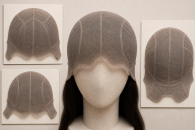
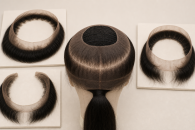
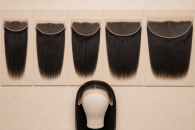
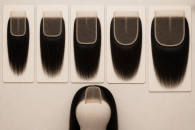
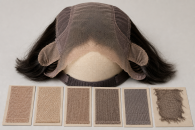
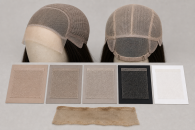
Lace-front units vary in lace width, depth, color, stiffness, edge finish, ventilation pattern, pre-cut or uncut edge, parting area, and whether lace continues around the sides or nape. Inspect the front from both sides under neutral light. Look for tears, skipped ventilation, loose knots, sharp or stiff sections, residue, color transfer, and an edge that cannot lie flat without force. Do not assume that full lace, frontal, closure, 360 lace, and lace front are interchangeable terms.
Compare fiber and construction separately
Human hair, heat-resistant synthetic fiber, standard synthetic fiber, and blends have different washing, heat, coloring, detangling, and storage limits. Read the exact unit directions rather than inferring them from appearance. Human-hair wording does not establish unprocessed fiber, origin, cuticle alignment, color history, or unlimited heat use. A heat-friendly synthetic description still requires the stated temperature and tool method. Inspect wefts, ventilation, seams, clips, combs, elastic, straps, and closure hardware as separate components.
Use density as a distribution question
Density is useful only with cap area, hair length, texture, layering, parting, and ventilation distribution. Two units with the same percentage can look and feel different. Inspect the hairline, temples, part, crown, sides, and nape for abrupt changes, visible tracks, overloaded lace, or sparse zones. More hair can increase weight, drying time, heat retention, tangling, and tension. Lower density can improve movement but may expose construction when the part or style conflicts with the cap.
Check shade in more than one light
Compare the fiber, lace, part, and hairline under neutral indoor light and indirect daylight. Record base depth, undertone, root treatment, highlights, lowlights, and how the lace changes over the actual cap or skin-safe barrier. Screen color, product photography, and shade names are not calibrated proof. Do not use foundation, dye, bleach, marker, or adhesive tint on the lace unless the unit and product directions permit that material and application.
Plan the hair underneath without painful tension
Choose a clean, dry, low-profile preparation that keeps the scalp accessible and avoids tight braids, hard knots, bulky pins, and repeated pressure at the hairline. The American Academy of Dermatology traction guidance explains that repeated pulling from tight styles can contribute to hair loss. That source does not diagnose a wearer or prove that every wig causes damage. Pain, tenderness, bumps, headache, or a receding-looking edge is a stop signal, not a normal break-in period.
Choose one attachment system deliberately
A unit may use adjustable straps, elastic, combs, clips, a grip band, tape, liquid adhesive, or a compatible combination specified by the manufacturer. Map each contact point before installation. Do not stack several methods to compensate for poor fit. Combs and clips should not pull fragile edges or press into one scalp point. Adhesive and remover are separate cosmetic products whose current ingredient lists, warnings, surface preparation, setting time, wear interval, and removal directions must be reviewed.
Keep adhesive away from uncertain skin
Do not apply adhesive over cuts, active rash, swelling, weeping skin, unexplained irritation, or a recently reacted area. Follow the current label for patch or sensitivity instructions when provided, ventilation, quantity, drying, permitted substrates, and removal product. The FDA hair-products overview provides federal cosmetics context but does not certify a particular adhesive or predict individual response. More adhesive is not evidence of safer or longer hold.
Trim lace only with a stable visible plan
If the unit arrives with uncut lace, mark the permitted boundary away from the ventilated knots while the unit is secure on a stand or otherwise controlled by the directions. Use clean suitable scissors and short visible cuts. Do not trim toward the face, rush around ears, remove large sections at once, or cut so close that knots and edge stability are compromised. A jagged or damaged lace edge cannot reliably be corrected by adding more adhesive.
Run a short comfort and movement check
Before extended wear, check the cap while standing, sitting, turning the head, looking down, and making ordinary facial movements. Inspect the front, temples, ear tabs, crown, nape, straps, combs, and every adhesive zone. Useful evidence is stable placement without pain, concentrated pressure, lifting caused by poor fit, or restricted movement. Stop for burning, itching, swelling, hives, breathing difficulty, eye exposure, headache, numbness, or increasing scalp tenderness.
Style within the fiber limit
Detangle in small supported sections from ends upward using the permitted tool and product. Keep tension off the lace and ventilated knots. Use heat only when the exact fiber and unit directions allow it, with the stated temperature and method. A styling product can change texture, shine, residue, and wash frequency; it cannot repair torn lace, failed knots, heat-damaged fiber, or a cap that does not fit. Keep heated tools away from adhesive, lace edges, and skin.
Clean the unit by construction zone
Follow the unit directions for wash interval, water temperature, cleanser, conditioner, soaking or no-soaking rule, direction of movement, rinsing, blotting, and drying. Support the lace instead of rubbing, twisting, wringing, scratching, or brushing unsupported knots. Clean adhesive residue only with a compatible remover and method. The AAD weave and extension precautions support gentle scalp and hair practices without endorsing a particular wig or cleaning product.
Dry and store without distorting the cap
Blot only as directed and support the cap on a clean stand or form that does not overstretch it. Allow the lace, cap, seams, wefts, clips, combs, straps, and dense hair zones to dry fully before enclosed storage. Keep the unit away from direct heat, sunlight, dust, pets, moisture, and crushing. Long fiber should be arranged without tight bends or tension at the lace. A storage bag is not a substitute for complete drying.
Remove by releasing the attachment, not the hairline
Undo straps, clips, combs, and elastic in a controlled sequence. For adhesive wear, use the exact compatible remover, amount, wait time, and direction; support the skin and lace while the bond releases. Do not peel, yank, scrape, use fingernails as tools, or add an unidentified oil or solvent. Stop when resistance remains and recheck the directions. Fast removal is not worth pulling hair, abrading skin, tearing lace, or contaminating the eyes.
Set replacement and repair boundaries
Stop or seek the stated service route for torn or stiff lace, spreading holes, severe shedding from ventilation points, exposed or sharp construction, broken combs or clips, failed straps, distorted cap shape, persistent odor, residue that cannot be removed, heat-damaged fiber, repeated painful fit, or attachment that cannot be released safely. Cosmetic concealer, extra adhesive, sewing through unsupported lace, or tighter straps do not restore uncertain construction.
Use related guides for separate decisions
The hair extensions guide separates extension formats and attachment choices from wig selection. The hair crown extensions guide supports material, color, length, and maintenance review. Use the healthy-hair routine guide to keep cleansing, conditioning, friction, and scalp observations visible. None replaces the current lace-front unit, adhesive, remover, or fiber directions.
Decision table
| Check | Useful evidence | Stop or revise when |
|---|---|---|
| Cap fit | Measured size stays stable without painful compression | Buckling, riding, deep marks, or overtightened straps |
| Lace | Edge, knots, parting area, and seams are intact and visible | Tears, sharpness, lifting from poor fit, or spreading holes |
| Attachment | One compatible system has a documented release method | Methods are stacked or removal requires pulling |
| Comfort | Ordinary movement remains stable and comfortable | Pain, burning, itching, swelling, headache, or tenderness |
| Care | Fiber, lace, cap, and hardware can be cleaned and dried | Residue, odor, trapped moisture, distortion, or damage remains |
Final checklist
- Head measurements match the cap and adjustment range.
- Lace area, fiber, density, shade, parting, and hardware are identified.
- The underlying style and attachment avoid painful tension.
- Adhesive, heat, cleaning, drying, and removal follow exact directions.
- Damage, reaction, persistent discomfort, or uncertain release ends use.
A lace-front wig is a cap-fit, lace, fiber, density, attachment, tension, care, and removal decision. Choose the unit that remains inspectable and comfortable through the whole wear cycle, not the one that depends on tighter pressure, more adhesive, or unsupported promises.