Red Eye Makeup: Burgundy Shadow, Liner, and Color Guide

Red eye makeup is a beauty look built with red-toned shadow, burgundy liner, berry accents, or terracotta depth around the eyes. The cleanest version uses controlled placement, balanced contrast, clear eye-area label directions, and a simple removal plan. This guide covers red-toned makeup choices; it is not about eye redness or eye comfort concerns.
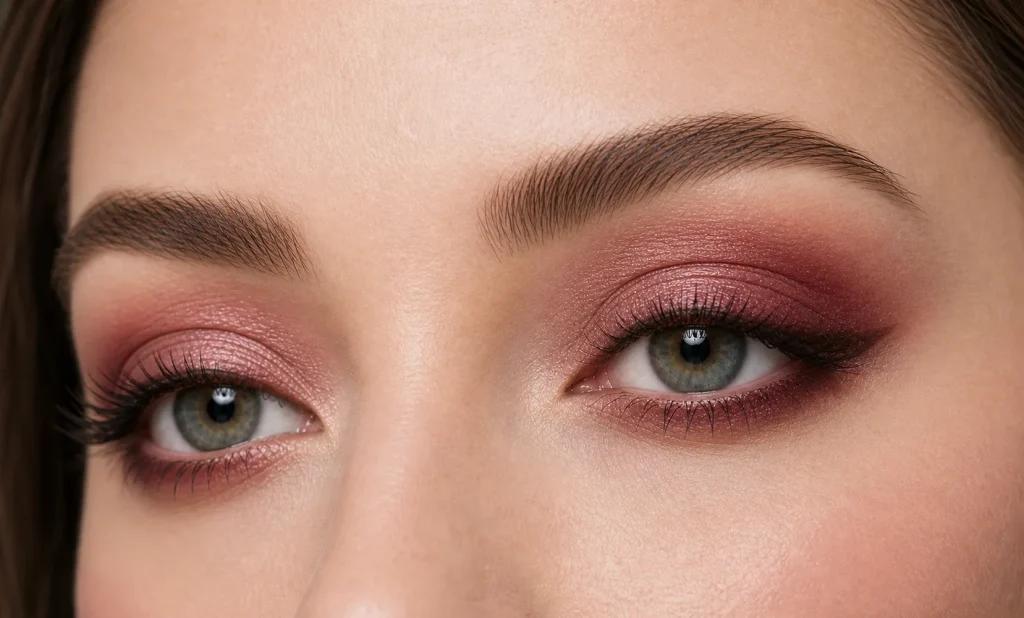
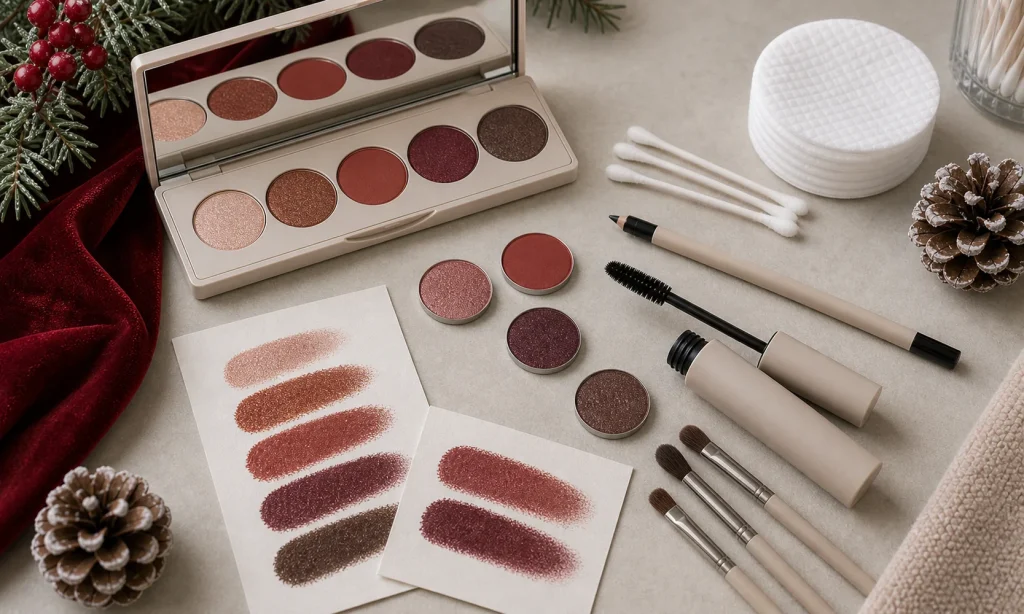
Quick Answer: How to Wear Red Eye Makeup
Start with a muted red family rather than a bright primary red. Burgundy, cranberry, brick, rose-brown, and terracotta are easier to place because they read as makeup color instead of eye redness. Keep the strongest color near the lash line, outer corner, or lid center, then balance it with brown liner, mascara, and a calmer cheek or lip.
| Red direction | Best use | Placement check | Pair with |
|---|---|---|---|
| Burgundy shadow | Soft evening eye | Outer corner and crease depth | Brown liner and neutral lip |
| Cranberry shimmer | Party lid color | Lid center or lower outer edge | Champagne inner corner |
| Terracotta matte | Daytime red-toned look | Crease and lower lash balance | Warm brown mascara or liner |
| Berry pencil liner | Small color accent | Upper lash line or outer third | Taupe lid shade |
| Red-brown smoky eye | Dinner or photo makeup | Keep depth close to lashes | Soft base and muted cheek color |
Red Eye Makeup vs Red Eyes
The phrase can be confusing, so separate the beauty intent from eye appearance. Red eye makeup means a cosmetic color choice. Red-looking eyes can be a separate comfort concern, and this page does not cover that topic. If the eye area feels uncomfortable, remove the cosmetic product and follow the product label.
| Intent | What it means | This page covers it? | Better next step |
|---|---|---|---|
| Red eye makeup | Red-toned shadow, liner, or pigment used as makeup | Yes | Choose shade, finish, and placement |
| Red eyes | An eye appearance or comfort concern | No | Remove product and use appropriate care guidance |
| Red glitter look | Sparkle or loose particles near the eye | Only as label-check guidance | Use only products labeled for the intended eye-area placement |
| Red face paint | Novelty or costume color product | Only as a caution boundary | Read placement and color-additive labeling |
Choose the Right Red Family
The best red family depends on undertone, contrast, and where the color will sit on the eye. Muted reds are often more wearable because they include brown, plum, or rose. Brighter reds can work as a small accent, but they need cleaner edges and more label checking near the eye area.
| Shade family | Look effect | Good placement | Watch point |
|---|---|---|---|
| Burgundy | Deep wine color with soft drama | Outer corner, crease, or liner | Can look heavy if placed too high |
| Cranberry | Festive berry-red shine | Lid center or soft lower accent | Reflective finishes need small placement |
| Terracotta | Warm red-brown shape | Crease and lower lash line | Can turn orange under warm light |
| Rose-brown | Muted red tone for daytime | All-over lid or transition color | May look too soft without liner |
| Brick red | Matte editorial color | Outer third or graphic accent | Needs clean edges and balanced skin makeup |
| Plum-red | Cooler red-purple depth | Lash line and smoky outer corner | Can compete with strong lip color |
Placement by Eye Shape and Contrast
Red-toned eye color works best when the placement is intentional. Look straight ahead before finishing the crease and liner. If your eye shape hides the lid, place the red tone where it is visible with eyes open. If your eyes are round, move the color slightly outward instead of adding height everywhere.
| Eye or style need | Placement idea | Tool | Related page |
|---|---|---|---|
| Soft everyday red tone | Rose-brown lid and brown liner | Small blending brush | Neutral eyeshadow palette |
| Hooded lids | Keep the red tone low and visible with eyes open | Flat brush | Eye-shape makeup guide |
| Smoky red eye | Deepest color close to lashes and outer corner | Pencil brush | Black eye makeup |
| Alternative style | Burgundy liner with darker outer edge | Angled brush | Goth eye makeup |
| Holiday accent | Cranberry shimmer on lid center | Fingertip or flat brush | Christmas eye makeup |
Red Shadow, Red Liner, and Red Pigment
Red-toned products do different jobs. Powder shadow is easiest for soft blending. Pencil or gel liner is better for a narrow accent. Loose or high-payoff pigment needs more control and more label attention because fallout can move toward the eye.
| Format | Best job | Application check | Useful related guide |
|---|---|---|---|
| Pressed powder shadow | Soft red or burgundy wash | Tap off brush before placement | Pigmented eyeshadow guide |
| Eyeshadow stick | Fast red-brown base or liner-like accent | Blend before the texture sets | Eyeshadow stick guide |
| Pencil liner | Small berry or burgundy lash-line detail | Check intended placement on the label | Brown eyeliner guide |
| Loose pigment | High color payoff for small accents | Control fallout with a small brush | Pigment shadow guide |
| Glitter-style topper | Sparkle on a small lid area | Use only when labeled for the intended eye-area placement | Holiday sparkle checks |
Step-by-Step Red Eye Makeup Routine
A clean red-toned eye look is easier when each layer stays thin. Work from muted to deep shades, then add the brightest red only where it supports the shape. Keep cotton swabs nearby so cleanup happens before mascara.
- Start with clean, dry lids and use a thin primer layer only if lid makeup usually moves.
- Place a rose-brown or terracotta transition shade lightly through the crease or lid.
- Add burgundy or cranberry to the outer corner, lid center, or lash line.
- Blend the edge before adding more color.
- Add brown, espresso, or plum liner to separate the red tone from the eye.
- Use mascara after checking the shape with eyes open.
- Clean fallout below the eye before adding concealer or powder.
- Remove eye makeup gently at the end of wear.
Eye-Area Label and Color-Additive Checks
FDA guidance for eye cosmetics, novelty makeup, cosmetic labeling, color additives, and general cosmetic use points to one practical rule: read the product label and use color products only where the label supports that placement. Some colors or novelty products may be acceptable for one part of the face but not for the eye area.
| Product or claim | Check before eye-area use | Skip when |
|---|---|---|
| Bright red shadow | Label supports eyelid or eye-area use | The label limits placement to face or cheek |
| Loose red pigment | Packaging gives clear cosmetic placement directions | It is a craft pigment or non-cosmetic powder |
| Novelty makeup | Directions match the exact area you plan to use | It is sold as costume color without eye-area directions |
| Glitter-style product | Label supports the intended eye-area placement | Particles feel gritty or the label is unclear |
| Shared tester or tool | Use clean applicators and personal tools | The tool has been shared or stored poorly |
Wear-Time and Cleanup Plan
Red-toned makeup can show fallout more clearly than beige or brown. Keep the look cleaner by using less product first, placing deeper color in smaller areas, and checking the lower lash line before photos. If the eye area feels uncomfortable, remove the product rather than layering more makeup over it.
- Use a small brush for red pigment and tap off extra product.
- Keep the lower lash line softer than the upper lid unless the look is intentionally dramatic.
- Balance red shadow with brown or espresso liner.
- Carry cotton swabs for edge cleanup.
- Use remover patiently so mascara, liner, and pigment lift without harsh rubbing.
Removal and Tool Hygiene
AAD guidance supports regular brush cleaning and timely makeup replacement. For red-toned eye makeup, clean tools matter because stained brushes can change the next look. Close caps, keep pencils and creams neat, and replace products according to label guidance or sooner if smell, texture, or appearance changes.
| Task | Practical check | Why it helps |
|---|---|---|
| Brushes | Wash on a steady schedule and dry fully | Red pigment can carry into later looks |
| Pencils | Keep the tip clean and cap closed | Placement stays more controlled |
| Cream or stick products | Wipe the rim if product collects | Texture remains easier to apply |
| Removal | Let remover loosen makeup before wiping | Red pigment can otherwise leave visible residue |
| Replacement | Follow label timing and product condition | Old texture can apply unevenly |
How This Page Fits the Eye Makeup Cluster
This page should answer red-toned eye makeup intent. Use the Christmas eye makeup page for seasonal shimmer and party placement, the black eye makeup page for dark smoky depth, the goth eye makeup page for alternative contrast, and the pigment eyeshadow page for color-payoff and fallout control.
| Search intent | Best page | Reason | Path |
|---|---|---|---|
| How to wear red eye makeup | Current page | Red color family, placement, and label checks are central | Current page |
| Holiday red or cranberry eye look | Christmas eye makeup | Seasonal lighting and sparkle checks matter | Christmas eye makeup |
| Dark smoky eye | Black eye makeup | Depth and edge control are central | Black eye makeup |
| Alternative burgundy liner | Goth eye makeup | Style contrast and shape are central | Goth eye makeup |
| High color payoff | Pigmented eyeshadow | Texture, fallout, and color strength are central | Pigmented eyeshadow |
Sources
- FDA: eye cosmetic safety
- FDA: color additives and cosmetics fact sheet
- FDA: novelty makeup
- FDA: cosmetics labeling
- FDA: using cosmetics safely
- AAD: how to clean makeup brushes
- AAD: when to replace makeup
- AAD: face washing 101
FAQ
What is red eye makeup?
Red eye makeup is a beauty look that uses red-toned shadow, liner, or pigment around the eyes. It usually works best when the color is softened with burgundy, berry, terracotta, brown, or plum so it reads as makeup color.
How do I make red eye makeup wearable?
Use a muted red family, keep the strongest shade close to the lash line or outer corner, and balance it with brown liner. A small amount of red tone is usually easier to wear than a full bright red lid.
Which red eyeshadow shade is easiest?
Terracotta, rose-brown, and burgundy are usually easier than bright red because they include brown, plum, or rose undertones. Those undertones help the color blend into common neutral eye looks.
Can I use red pigment near my eyes?
Use red pigment near the eyes only when the product label supports the intended eye-area placement. Avoid craft pigments, novelty color products with unclear directions, and loose particles that move toward the eye.
How do I avoid red eye makeup looking tired?
Separate the red tone from the eye with brown, espresso, or plum liner, and keep the lower lash line soft. Add a small brightening shade on the inner corner if the rest of the look is deep.
Is red eyeliner easier than red eyeshadow?
Red or burgundy eyeliner can be easier because the color stays in a narrow area. It works well as an upper lash-line accent, especially with taupe, bronze, or rose-brown shadow.
How should I remove red eye makeup?
Let remover loosen mascara, liner, and pigment before wiping gently, then cleanse the face. Cotton swabs can help lift color from the lash line without disturbing the rest of the skin.
What should I pair with red eye makeup?
Pair red-toned eyes with calm cheek color, a neutral or muted lip, and brown or espresso liner. If the eye is very strong, keep the rest of the makeup simpler so the color choice looks intentional.