Blonde Hair Color Ideas: Base, Tone, and Care

Quick answer: Choose blonde direction by depth and undertone first: warm gold, beige, neutral, ash, strawberry, dimensional highlights, or a deeper bronde can require very different starting bases. This independent editorial guide does not claim first-hand testing, does not diagnose or prescribe, and does not promise a particular result.
Choose depth before warm or cool tone
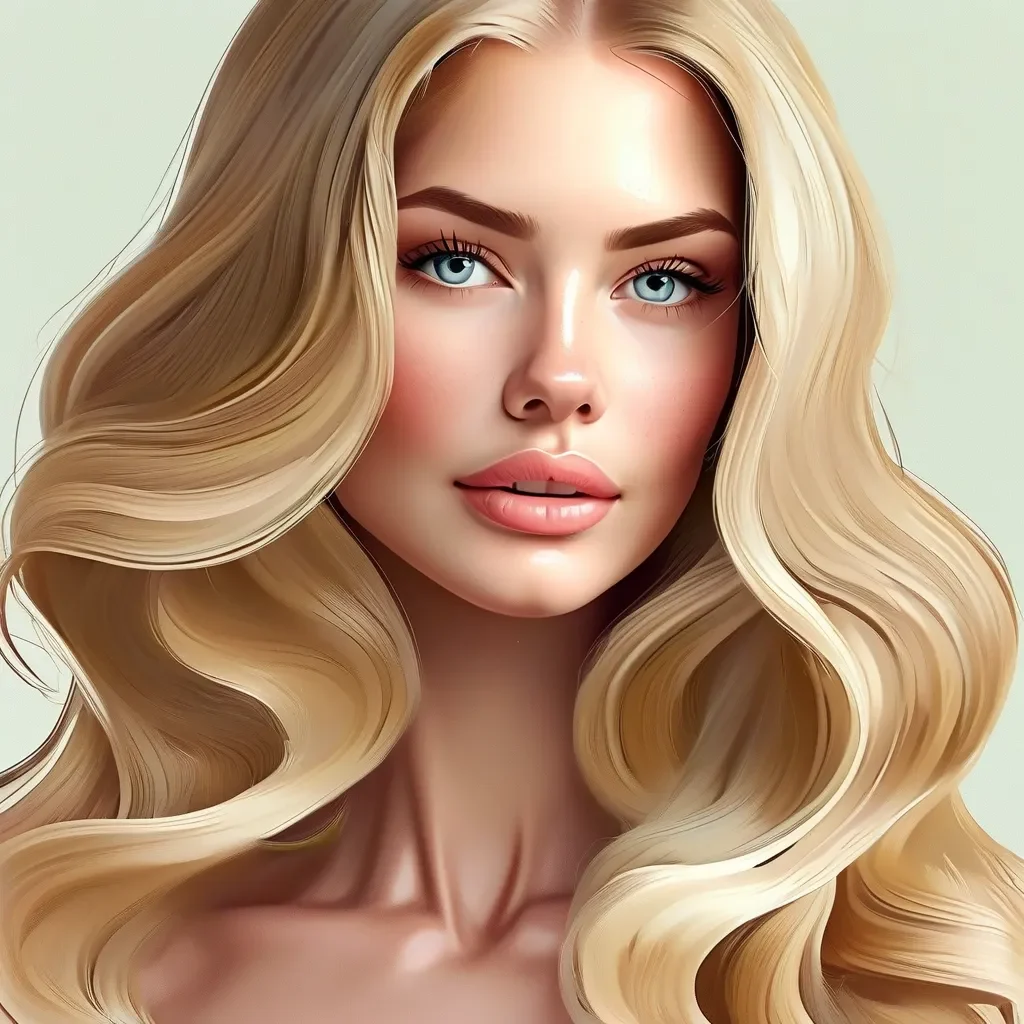
Very light blonde, medium blonde, dark blonde, and bronde differ in the amount of underlying pigment that must be managed. Decide the practical depth first, then compare gold, beige, neutral, ash, pearl, or strawberry direction.
Match technique to maintenance capacity
Full lightening, highlights, balayage-style placement, face framing, root shadow, and a gloss create different root lines and upkeep. A lower-contrast plan may be more maintainable than the lightest possible target.
Strand-test the complete lightening plan
Natural level, old dye, minerals, heat history, porosity, and fragile ends can change lift and condition. A strand test helps identify uneven warmth, slow lift, breakage, or a target that requires a professional correction plan.
Plan tone maintenance without overprocessing
Purple or blue products deposit pigment; they do not replace careful lightening or repair damage. Use them only when the visible warmth and label directions fit, and avoid repeated strong toning on porous lengths.
Build a blonde vocabulary before selecting images
Separate depth from tone: dark bronde, medium beige, honey, golden, strawberry, light neutral, pearl, or ash blonde each describes a different direction. Then identify placement such as balayage, fine highlights, bold ribbons, face framing, shadow root, or full lightening. Reference photographs often combine several of these variables plus styling and editing, so no single adjective defines the service.
Use the natural and artificial base as the design limit
Natural level, gray, permanent dye, direct pigment, henna, previous highlights, and banding affect realistic lift. Untreated dark hair may reveal red and orange before yellow; artificial dark color can behave differently. A colorist needs the complete history. Concealing prior services to pursue a lighter reference can lead to uneven color or severe structural damage.
Choose bronde for lower contrast
Bronde keeps meaningful brown depth while adding lighter pieces. It can reduce the visual line of regrowth and preserve dimension compared with all-over light blonde, depending on placement. This is an option for readers who want brightness without the lightest canvas. The chocolate-brown guide provides the deeper neighboring color decision.
Choose highlights for controlled distribution
Fine highlights create diffuse brightness; ribbons create stronger contrast; face framing concentrates light near the front; balayage places painted light through selected lengths. Section size, saturation, developer, foil or open-air processing, and starting history change the outcome. Placement should fit haircut, parting, curl pattern, maintenance interval, and how the hair is usually worn.
Choose full blonde only with a regrowth plan
All-over lightening creates the largest change and the clearest root line. It also exposes more hair to chemical processing and may need frequent professional maintenance. Decide how much natural root is acceptable, whether a shadow root is desirable, and what happens if appointments are delayed. Do not begin with an indefinite goal of getting as light as possible.
Use strand evidence to set the lightness ceiling
A representative strand test should record product, timing, lift stage, tone, elasticity, breakage, and feel after drying. Test previously lightened ends and darker areas separately when needed. A strand that cannot reach the desired level without unacceptable change is evidence to choose a deeper blonde or different placement, not permission to increase exposure blindly.
Separate lightening from toning
Lightener removes pigment within practical limits; toner deposits or adjusts reflect on a suitable base. Toner cannot make hair significantly lighter, and purple shampoo cannot correct orange bands or major unevenness. A cool result may require reaching an adequate underlying level first. Do not stack toner repeatedly when the real issue is an incompatible base.
Plan blonde around texture and haircut
Highlights can emphasize layers, curls, waves, or a blunt perimeter differently. Fine hair may appear more dimensional with delicate placement, while dense curls may require wider visible sections to show. The design should be assessed in the hair’s common dry state, not only when stretched straight. Lightening does not guarantee volume, shine, or a particular curl appearance.
Maintain tone without overusing violet pigment
Use the colorist’s plan and each product label. The purple shampoo guide explains why more pigment and dry-hair application are not universal solutions. Excess violet can dull some blondes or build unevenly on porous sections. Alternate products only for a defined tone problem and monitor dryness or scalp irritation.
Protect processed hair through handling choices
The AAD recommends spacing chemical services, using care with heat, and handling colored hair gently. Detangle with appropriate tools, avoid repeated high-heat passes, and stop tight styles that stress fragile sections. Bonding or conditioning products can support feel within their labels but cannot make unlimited bleach exposure harmless. Breakage and gummy texture require assessment, not cosmetic concealment.
Plan the cost and time of the whole pathway
Consider consultation, tests, initial service, toner or gloss, root or highlight maintenance, home products, travel, and correction risk. This article does not provide live pricing. A lower-maintenance placement can be more practical than the palest reference. Choose a blonde that fits the realistic appointment schedule and willingness to manage tone and regrowth.
Bring a useful consultation record
Provide photographs of current hair in natural light, several target examples, dates and formulas for prior color, and a list of chemical services. Identify what must remain unchanged, such as length, curl pattern, or limited maintenance. Ask the colorist to explain the expected number of sessions, lightness ceiling, tone plan, home routine, and what result would trigger a change of direction.
Blonde color planning checklist
- Depth, tone, placement, and acceptable root contrast are explicit.
- Natural base, artificial color, gray, porosity, and bands are documented.
- A strand test sets the safe practical lightness ceiling.
- Lightening, toning, home care, and regrowth have separate plans.
- The design fits texture, haircut, maintenance time, and correction tolerance.
Related Beauty Supply Reviews guides
Editorial sources
- https://www.fda.gov/cosmetics/cosmetic-products/hair-dyes
- https://www.aad.org/public/everyday-care/hair-scalp-care/hair/coloring-perming-tips