Natural Hair Care Supply Guide: Labels and Routine Fit

Quick answer: Build a natural-hair shopping list around a specific routine need such as cleansing, conditioning, detangling, styling, or heat protection. Read labels and package directions instead of treating natural or professional wording as proof of suitability. This independent editorial page does not claim first-hand product testing or universal outcomes.
Quick answer: how should you choose natural hair care supplies?
Choose natural hair care supplies by routine step, hair condition, scalp comfort, product label, and styling plan. A useful basket usually starts with a gentle cleanser, conditioner, detangling tool, moisturizer, sealant when needed, heat protectant when heat is used, and low-tension styling support. This page is independent editorial guidance, not an official page for a store named US Hair & Beauty Supply.

Build the routine before buying products
Natural, curly, and coily hair routines work better when each product has a job. The American Academy of Dermatology advises gentle handling, careful detangling, and avoiding habits that increase breakage or traction.
| Routine step | Product type to compare | Decision check |
|---|---|---|
| Cleanse | Shampoo, co-wash, or clarifying cleanser. | Match scalp oil, buildup, and styling product use. |
| Condition | Rinse-out conditioner or deep conditioner. | Look for slip, softness, and manageable detangling. |
| Moisturize | Leave-in conditioner, cream, or lotion. | Check whether hair stays flexible after drying. |
| Seal | Light oil or butter when the routine needs it. | Use less if hair gets limp or coated. |
| Style | Gel, mousse, edge control, curl cream, or twisting cream. | Choose hold level based on the style and takedown plan. |
Scalp comfort comes first
| Signal | What it can suggest | Safer response |
|---|---|---|
| Itching after a new product | Fragrance, preservative, buildup, or rinse residue may be irritating. | Stop the product and review the ingredient label. |
| Burning during application | The scalp may be reacting to the formula or application method. | Rinse as directed and avoid applying more product. |
| Soreness from braids or ponytails | Tension can stress hair follicles and edges. | Loosen the style and avoid repeated tight placement. |
| Flaking with heavy styling products | Buildup or dryness may be part of the issue. | Adjust cleansing and use lighter layers. |
| Sudden shedding or patches | A medical or traction-related issue may need evaluation. | Ask a dermatologist rather than adding more products. |
Moisture, sealing, and porosity checks
Porosity language can be helpful, but it should not replace observation. Watch how quickly hair gets wet, dries, tangles, and feels after product use.
| Hair response | Possible product fit | What to avoid |
|---|---|---|
| Hair dries quickly and feels rough. | Creamier leave-in conditioner and a small sealing layer. | Using only light spray if hair remains brittle. |
| Hair gets heavy or coated. | Lighter leave-in, less oil, and clearer cleansing schedule. | Layering several butters or oils every day. |
| Hair tangles during wash day. | Conditioner with slip and a wide-tooth comb or detangling brush. | Dry detangling without product support. |
| Curls lose shape quickly. | Gel or mousse over a compatible leave-in. | Combining products that flake or pill. |
| Ends feel fragile. | Conditioning, trim planning, and lower-friction styling. | More heat or tight styles before the ends recover. |
Product label checks
The FDA cosmetics labeling guide explains that cosmetic labels include ingredient and identity information. Before buying, compare label directions, warnings, fragrance notes, and the product’s intended use.
| Label item | Why it matters | Buying action |
|---|---|---|
| Directions | Timing and rinse instructions vary by formula. | Skip products with directions you cannot follow. |
| Warnings | Some products should not be used on irritated skin or near eyes. | Read warnings before putting the product in a cart. |
| Ingredient list | Ingredients can identify fragrance, oils, silicones, protein, or strong cleansers. | Compare against ingredients that have bothered you before. |
| Product identity | Similar packaging can hide different product jobs. | Confirm whether it cleanses, conditions, styles, or treats appearance. |
| Size and usage | Thick hair or frequent styling can use product faster. | Compare price per ounce, not only shelf price. |
Protective styles and low-tension supplies
| Style plan | Supply to compare | Comfort check |
|---|---|---|
| Braids or twists | Parting comb, clips, mousse, braid spray, and satin scarf. | No pulling pain at the hairline or scalp. |
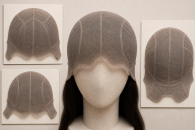
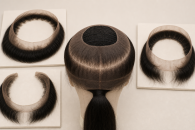
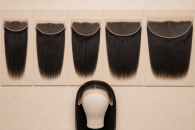
| Wig wear | Wig cap, grip band, gentle adhesive option, and scalp cleanser. | Edges should not feel sore after wear. |
| Weave or extensions | Thread, clips, wefts, detangling spray, and takedown tools. | Plan removal before matting or heavy buildup starts. |
| Wash-and-go | Leave-in, gel or mousse, microfiber towel, and diffuser when needed. | Choose hold without creating hard buildup. |
| Heat-stretched style | Heat protectant, dryer attachment, sectioning clips, and comb. | Use the lowest effective heat and avoid repeated passes. |
Tools that affect breakage risk
| Tool | Useful role | Check before use |
|---|---|---|
| Wide-tooth comb | Detangling larger sections with conditioner. | Start at ends and work upward. |
| Detangling brush | Distributing conditioner or styling product. | Use on wet, conditioned hair if that fits your texture. |
| Sectioning clips | Keeping wash day and styling organized. | Avoid clips that snag coils or tight curls. |
| Satin scarf or bonnet | Reducing overnight friction. | Check that elastic does not press tightly at edges. |
| Diffuser | Drying curls with less direct airflow disruption. | Keep heat moderate and avoid rough handling. |
Beauty supply shopping checklist
| Question | Good sign | Reason to pause |
|---|---|---|
| Does this fill a routine gap? | The product has one clear job. | You already own a similar item that is not being used. |
| Does the label match the hair need? | The directions fit your wash day or styling routine. | The label promises more than a cosmetic product can reasonably do. |
| Is the scent acceptable? | Fragrance is listed and you tolerate similar products. | You have reacted to scented products before. |
| Can it be returned or exchanged? | The store policy is clear before purchase. | The item is final sale and unfamiliar. |
| Will the whole routine still be simple? | You can explain when and why you will use it. | The cart has many overlapping products. |
When to use a stylist or dermatologist
Use a licensed stylist for chemical services, major color changes, extension installations, and takedown when matting or tension is present. Ask a dermatologist about painful scalp symptoms, sudden shedding, persistent inflammation, or patches of hair loss.
Limits of a natural-hair shopping guide
This guide does not diagnose scalp conditions, guarantee hair growth, or claim that one product works for everyone. It is meant to help readers compare beauty supply purchases with product labels, source-backed hair care guidance, and their own routine needs.
Sources
- American Academy of Dermatology: healthy hair tips
- American Academy of Dermatology: hairstyles and hair-loss risk
- American Academy of Dermatology: African American hair care
- FDA: cosmetics labeling guide
- FDA: fragrances in cosmetics
Frequently asked questions
Is this an official US Hair & Beauty Supply page?
No. This is independent editorial guidance for beauty supply shopping and natural hair routines. It is not an official store page, sponsored claim, or product test.
What should I buy first for a natural hair routine?
Start with a gentle cleanser, conditioner, detangling tool, and one styling product that fits your current routine. Add oils, butters, gels, or treatments only when they solve a clear need.
How do I know if a product is irritating my scalp?
Itching, burning, soreness, flaking, or new discomfort after a product change are reasons to stop, review the label, and avoid adding more products to the area.
Are protective styles always low maintenance?
No. Protective styles still need scalp care, low tension, and a removal plan. Pain, tightness, or edge soreness are signs to adjust the style.
Should I choose products by hair type or ingredients?
Use both. Hair type helps narrow the product category, while ingredients, directions, fragrance, and warnings help decide whether the exact product fits your scalp and routine.
Related Beauty Supply Reviews guides
Continue with this related guide and this next-step guide. Both links are included for reader navigation, not as proof of a product or outcome claim.
Core editorial sources
- https://www.aad.org/public/everyday-care/hair-scalp-care/hair/healthy-hair-tips
- https://www.fda.gov/cosmetics/cosmetic-products/hair-products