Coloring a Human-Hair Wig: Fiber History and Strand Tests

Direct answer: a human-hair wig may accept color, but the unit’s processing history, donor hair mix, previous dye, coatings, knots, lace, adhesives, and condition can make the result less predictable than attached natural hair. Verify construction, use an off-head hidden strand test, protect the base, and avoid major lightening when history or strength is uncertain.
Verify human hair and construction
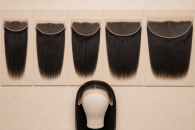
Use manufacturer documentation rather than burn tests or appearance. Record whether the unit is human hair, a human-synthetic blend, remy or non-remy, virgin-claimed or previously processed, lace front, full lace, wefted, hand tied, or bonded. Marketing terms do not reveal every chemical or coating history.
Assume processing history may be incomplete
Dark wigs can contain artificial pigment even when sold in a natural-looking shade. Light units may have been bleached, toned, coated, or silicone-finished. Hair from different donors or batches can respond unevenly. Preserve the label and ask the manufacturer which color services are permitted; absence of a warning is not proof of tolerance.
Map the non-hair materials
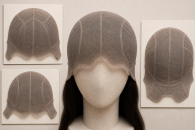
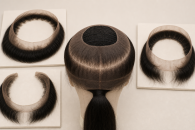
Lace, knots, thread, elastic, combs, clips, polyurethane, weft adhesive, and ventilation areas can stain or weaken differently from hair. Protect them from unnecessary saturation. Do not soak the cap in developer, lightener, direct dye, solvent, or remover. A good strand result does not prove compatibility with every construction component.
Start with deposit when possible
Darkening or tonal deposit is often more controllable than major lift, but it still can grab unevenly on porous ends or previously lightened sections. Lightening can expose bands, weaken knots, increase shedding, and reveal different donor histories. The lightener guide explains product types, test strands, and condition boundaries.
Use several hidden strands
Test hair from an interior weft, crown, ends, and any visibly different zone. Reproduce formula, developer, ratio, timing, saturation, rinse, dry assessment, and one normal styling cycle. Observe color, warmth, elasticity, tangling, shedding, roughness, and whether knots or lace change. One small end section may not represent the full unit.
Separate reaction precautions from off-head testing
Complete every product-directed preliminary test even though the wig is colored off the head. The FDA hair-dye guidance emphasizes directions and preliminary precautions. A fiber strand test answers color and condition questions; it does not replace user reaction precautions for later handling and wear.
Secure the wig without stretching it
Use a compatible stand and pins only in permitted areas. Support the cap so the lace is not distorted and the hairline remains visible. Divide clean sections and keep product away from knots and the base unless the plan specifically requires controlled deposit there. Do not color the wig while it is worn.
Saturation and product quantity matter
A dense wig can require more product than attached hair of similar visible length because interior wefts and layers must be reached. Prepare enough measured formula before starting. Avoid adding developer or water when product runs low. Incomplete saturation can create bands; oversaturation can flood the cap and weaken construction.
Timing must fit the whole unit
Plan section order and realistic application speed before mixing. Do not extend early sections indefinitely while later areas are still being covered. Check under the directions and rinse at the stated endpoint. For oxidative formulas, discard mixed remainder under product guidance instead of saving it for a second pass.
Rinse without tangling or stressing knots
Support the hair in one direction, use controlled water flow, and avoid rubbing the cap or piling lengths. Complete the directed shampoo, conditioner, or post-color step. Blot and dry under wig-care directions. Do not comb aggressively while saturated or use high heat to speed drying without the unit’s approval.
Assess dry condition before another service
Evaluate color in consistent light, then inspect shedding, knots, elasticity, tangling, ends, lace color, and cap shape. Cosmetic softness from conditioner does not establish structural strength. The direct-color guide helps compare deposit, transfer, saturation, and fade without assuming every wig needs developer.
Preserve a complete unit record
Record wig identity, construction, starting photos, products, shade, developer, ratio, date, timing, zones, rinse, dry result, and test-strand evidence. Attach the record to the storage bag or digital inventory. The red color guide provides placement and upkeep context for a warm deposit decision.
Know when to stop
Unknown fiber, mixed construction, prior severe lightening, weak knots, high shedding, gummy strands, major lift, or lace repair can justify a wig specialist. The AAD coloring guidance notes that chemical services can add dryness and brittleness; detached human hair is not exempt from fiber damage.
Decision table
| Decision | Option one | Option two |
|---|---|---|
| Evidence | Verified human hair and construction | Unknown marketing description |
| Safer direction | Controlled deposit after tests | Major lift with uncertain history |
| Testing | Several hidden zones plus dry cycle | One end strand only |
| Protection | Hair sections isolated from base | Cap, lace, and knots saturated |
| Decision | Condition and construction preserved | Shade reached at any cost |
Final checklist
- Fiber, construction, prior processing, coatings, and permitted services are documented.
- Multiple hidden strands represent different zones of the unit.
- Lace, knots, wefts, elastic, clips, and adhesives are protected.
- Formula quantity, section order, timing, rinse, and drying are prepared.
- Dry color, shedding, tangling, elasticity, and cap condition pass review.
Color a human-hair wig only when its verified construction and representative tests support the exact service. Review the unit again after complete drying and one permitted styling cycle, because wet softness and color can hide weakness, tangling, shedding, or uneven deposit. Stop when history, lift, saturation, lace protection, shedding, or fiber strength is uncertain.