Hair Bleach Guide: Types, Strand Tests, and Safety

Short answer: Choose hair bleach by its labeled use, your
starting color, the lift you need, the developer system, your hair condition,
and whether you can follow the strand-test and timing directions exactly. A
scalp lightener is not interchangeable with facial or body-hair bleach, and no
bleach can guarantee a target shade or prevent damage.
Start with the type of bleach
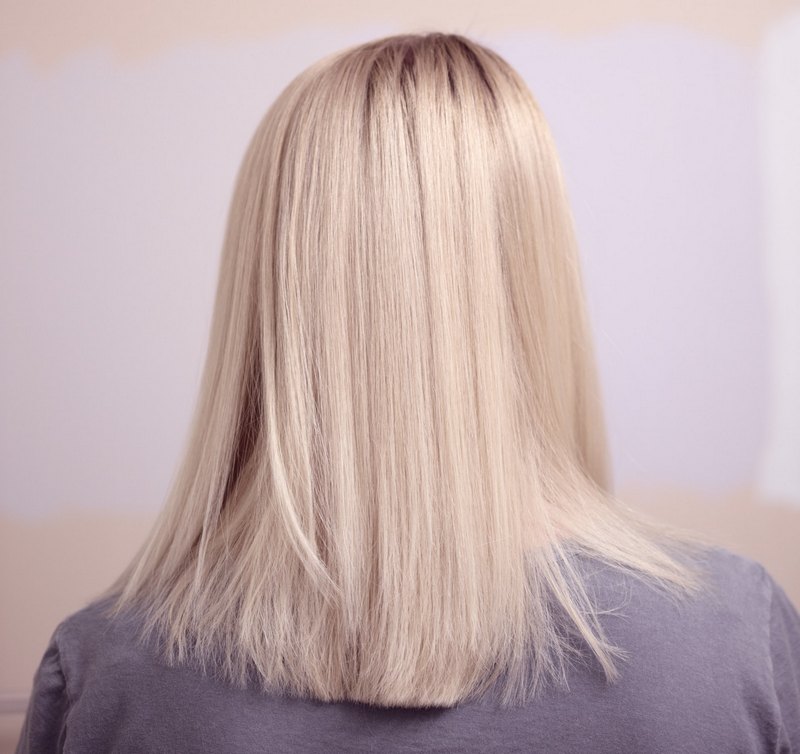
“Hair bleach” can describe several products with different intended uses.
Scalp-hair lightener is formulated to lift pigment from head hair. Facial or
body-hair bleach is generally intended to make visible hair less noticeable
without producing a salon color result. Products used near the brows or eyes
need especially careful labeling because ordinary hair dye and lightener
directions commonly warn against eye-area use.
| Product type | Useful question | Do not assume |
|---|---|---|
| Scalp-hair lightener | Is the developer included or specified? | That it is suitable for face, brows, or lashes |
| Facial or body-hair bleach | Which body areas does the label permit? | That it can create an even scalp-hair base |
| Color remover | Is it reducing artificial dye or lifting natural pigment? | That remover and bleach do the same job |
| Professional lightener | Does it require a separately selected developer? | That stronger means more predictable |
Compare starting level with the target
Starting hair color, previous dye, porosity, and banding affect how much
lightening is realistic. Previously colored black or red hair may reveal warm
stages or lift unevenly. Fragile, relaxed, permed, or repeatedly lightened hair
may not tolerate another process. A product’s lift claim is not a promise for
every starting base.
Decide whether you need a small change, a base for a vivid shade, or a major
correction. For dark box dye, uneven bands, or a very light target, a licensed
colorist can assess the history and stop before breakage becomes the result.
Keep the developer and package system together
Use the developer strength and mixing ratio stated by the manufacturer.
Do not combine powders, creams, developers, additives, or timing instructions
from unrelated systems unless the labels explicitly support that combination.
More developer strength or more time does not make the result universally
better; it can increase irritation and structural damage.
If a kit includes every component, confirm that all containers are intact
and that the directions match the intended use. For a professional system,
verify the exact lightener-to-developer ratio, protective equipment, processing
limits, and disposal instructions before mixing.
Run a strand test before the full application
- Select a hidden section that reflects the hair’s actual color history.
- Mix only the test quantity according to the current label.
- Observe the stated timing limit rather than waiting indefinitely for more lift.
- Rinse, dry, and inspect color, elasticity, feel, and breakage.
- Stop the plan if the test becomes gummy, unusually rough, or breaks easily.
A strand test previews lift and hair integrity; it does not replace any
skin or allergy test required by the label. The FDA advises consumers to follow
hair-color directions and cautions, and notes that reactions can occur even
after previous uneventful use.
Check scalp and hair condition
Do not apply lightener to a scratched, sunburned, irritated, or broken scalp.
Pause when hair is already snapping, extremely elastic when wet, or severely
compromised by previous chemical services. Wear the instructed gloves, protect
clothing and surfaces, keep the mixture away from eyes, and work with adequate
ventilation.
Burning, marked pain, swelling, blistering, breathing trouble, or eye
exposure requires immediate action according to the product directions and
appropriate medical or poison-control guidance. Cosmetic lightening should not
be continued through a concerning reaction.
Time, rinse, and care for the result
Use a timer and stay within the product’s maximum processing time. Check the
strand as directed without repeatedly scraping the hair. Rinse exactly as the
label instructs, remove all product, and avoid stacking another strong chemical
service simply because the first result is warmer than expected.
After lightening, use gentle handling, reduce unnecessary heat and tight
styles, and assess breakage before another process. The American Academy of
Dermatology notes that chemical services can make hair dry and brittle; spacing
services and limiting additional damage is more realistic than claiming a
product can repair broken fibers.
When professional help is the better choice
Consider a licensed professional for dark permanent color, overlapping
bands, major correction, compromised hair, scalp problems, or a target that
requires several lifting stages. Bring the product history and disclose prior
color, relaxer, perm, henna, and lightening use.
Related hair-color planning
- Compare black hair dye undertones, coverage, and future correction cost.
- Review color remover limits before treating remover as bleach.
- Plan permanence, fading, and upkeep before recoloring.
Sources
- FDA: Hair Dyes
- FDA: Cosmetics Safety Q&A, Hair Dyes
- American Academy of Dermatology: How to Stop Damaging Your Hair