Coloring Tape-In Extensions Without Saturating the Bonds

Direct answer: do not saturate tape-in adhesive bonds with color, developer, lightener, remover, oil, conditioner, or solvent unless the extension manufacturer explicitly permits that exact exposure. Color work should be planned around the bond boundary, fiber identity, prior processing, installation state, and a representative off-head test. Bond maintenance and hair color are separate services.
Identify the complete tape system
Record brand or manufacturer, human or synthetic fiber, tape tab material, replacement-tape requirements, remover type, installation date, and permitted color services. A human-hair label does not establish that the adhesive, seam, or coating can tolerate color. Preserve the care instructions for both installed and removed work.
Map bond, root, and length zones
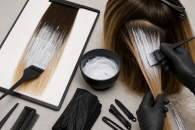
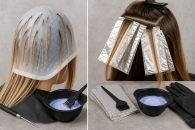
Mark the adhesive sandwich, seam below the tape, extension hair, natural regrowth, natural colored lengths, and any overlap. These areas have different exposure limits. Color placed on natural roots can migrate toward a nearby bond, while product placed on extension lengths can wick upward. Use physical distance and controlled product load.
Decide whether removal is required
Some color tasks may need extensions professionally removed, labeled, colored off the head if permitted, retaped, and reinstalled. Removal adds its own solvent, residue, cleaning, and timing requirements. Do not pull installed tabs apart or substitute household oil or solvent. Follow the exact tape system or use a trained extension professional.
Verify extension processing history
Tape-in hair may be precolored, lightened, coated, or blended from different donor batches. Major lift can expose bands, weaken the seam, and increase shedding. A deposit-only adjustment can still grab dark on porous ends. The extension selection guide helps compare type and fit before modification.
Use a representative off-head test
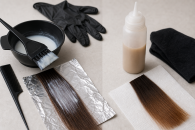
When possible, test a spare or removed labeled weft with the exact formula, placement distance from tape, saturation, timing, rinse, dry cycle, and retaping process. Inspect color, feel, tangling, shedding, seam stability, adhesive residue, tape hold, and transfer. A loose cut strand cannot answer bond or retape questions.
Protect bonds from every liquid stage
Avoid color during application, but also plan shampoo, rinse water, conditioner, toner, post-color products, and drying so they do not pool at adhesive. Hold the tab and direct flow away from the bond. Do not scrub, twist, or soak the sandwich. If product reaches the tape, follow manufacturer response guidance rather than adding cleaner.
Natural root color needs narrow control
Installed tape can sit close to regrowth zones. Use sections and a product amount that preserve the required bond clearance. Do not push a brush or bottle under tabs. When access is poor, removal may be the controlled option. The level guide supports mapping natural and colored root zones.
Extension lengths need separate timing
Natural hair and extension hair can have different porosity and artificial pigment. Applying one formula across both can create mismatch. Test and time the extension separately when directions and installation permit. Do not extend processing or add developer because extension hair appears resistant; previous coatings may alter visible uptake.
Preliminary precautions still apply
Complete every hair-color product-directed preliminary test. The FDA hair-dye guidance emphasizes directions, gloves, timing, and rinsing. Coloring off the scalp does not remove user handling or later skin-contact considerations, and installed work can increase the difficulty of a complete controlled rinse.
Dry fully before judging or retaping
Wet hair and damp tape can hide shade differences and compromise adhesion. Dry under extension and color-product limits, then compare natural hair and extensions in consistent lighting. Do not retape, sandwich, or reinstall until the system’s cleaning and drying criteria are met. Keep conditioner and oil away from adhesive preparation zones.
Inspect attachment function after color
Check tab alignment, edge lifting, stickiness, residue, seam shedding, tangling, and movement. Installed tabs should not pull, twist, or create new tension because color altered the seam or drying position. A color match is not acceptable if attachment security or scalp comfort has deteriorated.
Preserve a two-part service record
Record the color formula, developer, date, timing, zones, and result separately from removal, solvent, cleaning, replacement tape, placement, and installation date. Photographs should show dry color and each tab condition. This makes later slipping, mismatch, or residue easier to trace.
Know the professional boundary
Unknown tape identity, severe color mismatch, required lightening, old adhesive, scalp irritation, matting, multiple formulas, or widespread bond contamination can justify removal and specialist service. The AAD coloring guidance notes that chemical processing can add dryness and brittleness; attachment tension adds another independent consideration.
Choose replacement when alteration is disproportionate
Compare a manufactured shade or replacement weft with the chemical, removal, retaping, labor, mismatch, and bond risks of alteration. This is not a price ranking. The better decision preserves attachment integrity and the wearer’s natural hair rather than reaching a target shade through uncontrolled bond exposure.
Use related color ideas only after the bond plan
The red placement guide can help define where a warm color should appear, but placement inspiration does not authorize saturating tape. First establish the bond exclusion zone, then decide whether the permitted hair area can support the color.
Decision table
| Decision | Option one | Option two |
|---|---|---|
| Primary boundary | Hair zone outside adhesive | Tape sandwich and seam |
| Testing | Spare or removed complete weft | Loose strand alone |
| Root work | Visible clearance and controlled load | Product pushed under tabs |
| Rinse | Flow directed away from bonds | Tabs soaked or scrubbed |
| Acceptance | Dry match plus secure clean tape | Shade match with weakened attachment |
Final checklist
- Fiber, tape, seam, remover, retape, and permitted service are identified.
- Bond, root, natural length, and extension length zones are mapped.
- A complete off-head weft test includes color, rinse, dry, and attachment checks.
- Application and rinse preserve the required bond clearance.
- Dry color, shedding, tab integrity, residue, and scalp comfort pass review.
Color tape-in extensions only through a plan that excludes the adhesive system from unsupported exposure. If access, history, testing, rinsing, or retaping cannot preserve the bonds, remove or replace the extensions under their professional care route.