Hair Extensions at Sally Beauty: Type and Fit

Quick answer: Use Sally Beauty's extension category to identify current options, then compare attachment, fiber, shade, texture, length, total weight, heat and washing limits, return eligibility, comfort, installation skill, and removal. This independent editorial guide does not claim first-hand product testing, diagnose, prescribe, or guarantee a result.
Identify the attachment before comparing appearance
Clip-ins, ponytail pieces, tape systems, bonded extensions, sew-ins, and loose hair create different installation and removal demands. Confirm the exact category and whether professional installation is recommended or required. A beautiful color photo does not show anchor weight, scalp tension, or removal complexity.
For temporary self-use, inspect clip count, clip direction, weft width, and the amount of natural hair available to cover attachments. For longer-wear methods, consider consultation, maintenance visits, and how the method interacts with texture and scalp condition.
Distinguish human hair and synthetic fiber
Human-hair labeling can still vary by processing, cuticle direction, origin claims, and permitted care. Synthetic fibers differ in heat tolerance, shine, tangling, and product compatibility. Read the exact package rather than assuming every human-hair item can be bleached or every synthetic item can be curled.
Check washing, drying, heat, coloring, and styling limits before purchase. Performing an unlabeled chemical service on extensions can damage the fiber and also create exposure during wear. Preserve package directions for future maintenance.
Match shade across multiple lighting conditions
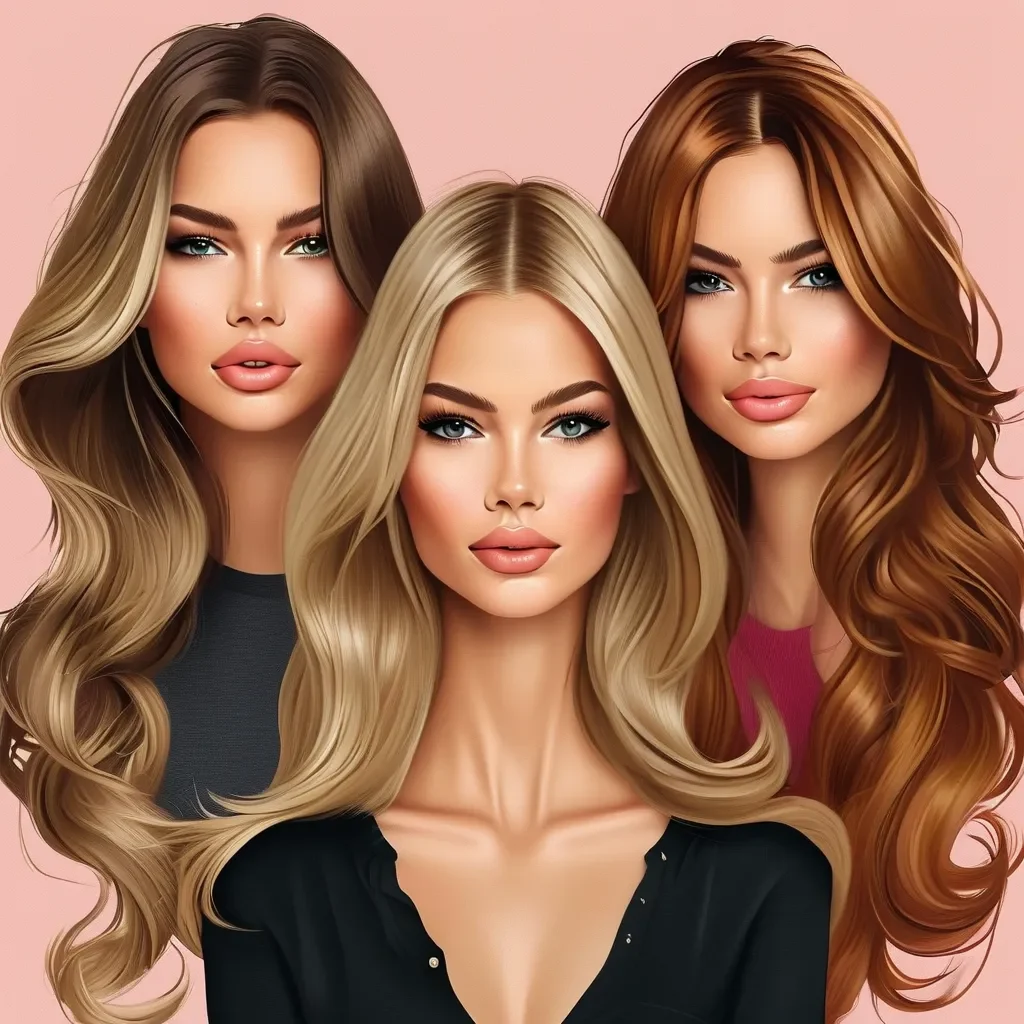
Compare the extension with the mid-length and ends where it will blend, not only with the roots. View samples or return-eligible packages in indirect daylight and indoor light. Highlights, lowlights, ombre, and multidimensional mixes can blend better than one solid swatch when natural hair contains several tones.
Screen images and shade names do not establish an exact match. If the retailer offers swatches or consultation, verify how they can be used and returned. Do not chemically alter an item before confirming that modification is permitted and that the base match is close.
Match texture in its worn state
Straight, wave, curl, and coil labels are broad. Compare strand diameter, curl size, shrinkage, density, and whether the natural hair will be worn air-dried, stretched, or heat styled. A texture that matches only after daily high heat may create an unrealistic routine.
Check whether the extension pattern changes after washing and how much brushing or product it requires. Blending should be planned from the person's sustainable styling method, not from a one-time heavily edited photograph.
Calculate length and weight together
Longer extensions can add leverage and total weight even when each weft looks thin. Decide whether the goal is volume, length, or both, then choose the smallest amount that meets it. More grams do not automatically produce a better or more natural result.
Install a limited section and assess comfort while sitting, moving, and styling. The AAD warns that repeatedly tight hairstyles can contribute to traction-related hair loss. Pain, headache, scalp tenting, or pulled edges means the placement or amount needs to change.
Review attachment placement and daily activities
Map parts, hairline visibility, glasses, hats, sleep, exercise, and work requirements. Clips positioned where a helmet or headrest presses can become uncomfortable. High ponytails may expose wefts that stay hidden in a low style.
Do not attach to weak, inflamed, or actively shedding areas. Rotate temporary placement and remove pieces before the scalp becomes sore. Longer-wear installations require the maintenance and hygiene instructions for that method and should not be ignored between appointments.
Plan care, detangling, and storage
Use only compatible cleansers, conditioners, heat settings, brushes, and adhesives. Detangle from the ends while supporting the attachment or removed weft. Product buildup can change appearance and weight; aggressive brushing can loosen fiber or pull natural hair.
Dry completely as directed and store temporary pieces in a clean shape-preserving location. Keep clips closed or protected so they do not snag. A storage hanger or case is useful only when it keeps the item dry and separated from contamination.
Verify retailer terms before altering the item
Open the official listing at purchase time and confirm item identity, package quantity, shade, fiber, fulfillment, returns, hygiene exclusions, and warranty terms. Hair extensions may have return restrictions once opened or altered. Save the listing and receipt until fit is confirmed.
This guide does not endorse a specific extension, report inventory, quote retail amounts, reproduce ratings, or promise an exact match or natural appearance. The suitable option is the one whose attachment, fiber, color, texture, weight, care, return terms, and removal can all be verified.
Test a partial set before full wear
Install one or two temporary wefts in the planned area and wear them briefly under normal movement. Check attachment visibility, color blend, weight, scalp comfort, and whether the natural hair can cover the clips without strong tension. A partial test is more informative than opening and altering the entire set at once.
Build removal into the attachment decision
Write the removal sequence, required solvent or tool, professional appointment, replacement schedule, and natural-hair aftercare before choosing a longer-wear method. Installation is only half of the service. A method that appears affordable can become unsuitable when safe removal, repositioning, and shedding management are included.
After removal, examine attachment zones for soreness, broken hairs, thinning, residue, or matting. Do not reinstall over an unexplained problem. Temporary pieces should be detached without pulling against knots; bonded or sewn methods should follow their professional system rather than an improvised online shortcut.
Calculate usable volume, not package length
Compare the number and width of wefts with the head areas where they can be concealed. A long piece may add little volume at the sides, while too many stacked wefts can create visible ridges and weight. Sketch placement with the intended part and hairstyle, then buy only the amount that can be installed comfortably and covered by natural hair. Recheck coverage while the head turns and the hair moves naturally.
Related Beauty Supply Reviews guides
Editorial sources
- https://www.sallybeauty.com/hair-care/hair-care-accessories-and-styling-products/hair-extensions/
- https://www.aad.org/public/diseases/hair-loss/causes/hairstyles