Shine Serum: Reflective Finish, Weight, and Application Zones

Direct answer: use shine serum as a temporary reflective finish, not proof of healthier hair. Confirm wet-or-dry directions, start with the smallest amount on permitted surface, length, or end zones, and inspect fully dried hair in consistent light. Balance reflection against weight, movement, root lift, transfer, styling hold, and washout. Stop layering when the finish becomes oily, stringy, tacky, flat, dull, or difficult to remove.
Identify the finish formula
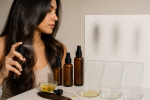
Shine serum may be oil-based, silicone-rich, water-light, aerosol-free liquid, cream-serum, or part of a styling system. Read wet-or-dry condition, zones, dose, heat, drying, transfer, and washout. The FDA hair-products overview provides cosmetics context without validating a universal shine result.
Define the reflective goal
Decide whether the task is subtle surface reflection, end polish, reduced dull appearance, or a high-gloss editorial finish. Lighting, hair alignment, color, curl pattern, surface texture, residue, and camera exposure all change visible reflection. No serum can create one identical shine level across every base and environment.
Separate shine from health
Oils, silicones, and film formers can increase light reflection or smooth visible fibers while present. The healthy-looking hair guide keeps cosmetic appearance separate from health claims. A glossy section can still be tangled, coated, or mechanically stressed.
Follow wet or dry directions
A damp-hair serum can spread widely before drying; a dry finishing serum may be intended only for surface or end placement. Standardize water level. Applying to soaking hair can hide dose, while applying a damp-use formula to dry hair can create concentrated spots. Keep product away from eyes and broken skin.
Use the smallest reflective dose
Measure the stated pump, drop, spray, or fingertip amount. Distribute between palms only when directed and begin with ends or outer lengths. Add more only after full distribution and drying. Excess can darken light hair temporarily, collapse volume, separate strands, attract lint, and increase transfer without improving the intended finish.
Place by zone, not everywhere
Map roots, crown, outer surface, underside, mid-lengths, and ends. Root zones often show oil and weight quickly when the formula is intended for lengths. Dense or long hair may need more sections, not more product on the top layer. Keep the finish balanced across visible angles.
Preserve fine-hair movement
Fine strands and lower-density zones can lose volume with a small amount, but no texture label sets one universal dose. The fine-hair mousse guide separates volume and hold from shine. Change placement and amount before rejecting every serum formula.
Judge in consistent light
Inspect fully dried hair in the same indoor and daylight positions from front, side, back, crown, and ends. Compare reflection, oily glare, dull patches, movement, root lift, and strand separation. Direct flash, ring lights, sun, and freshly aligned hot-tool sections can exaggerate reflection, so use more than one ordinary viewing condition.
Keep hold products separate
Shine serum may add little or no hold. The hair-wax guide separates hold, texture, and washout. Add gel, mousse, wax, cream, or spray in a controlled order. Loss of hold, pilling, tack, or dull film can result from layer interaction rather than insufficient serum.
Inspect transfer
Check fingers, combs, brushes, collars, hats, pillowcases, towels, and nearby light textiles under the product’s expected transfer window. Repeated touching can move serum from ends to roots. Do not cover transfer with dry shampoo or powder before reducing dose and cleaning tools.
Account for colored hair
Color, lightening, porosity, heat, and surface films affect reflection. The red-hair guide supplies shade, placement, and care context. Shine wording does not establish color protection or an unchanged tone across every formula.
Plan complete washout
Follow the normal cleanser method and rinse roots, underside, lengths, and ends. Inspect lather, wetting, tool film, and textiles. Do not use household detergent or solvent. Reduce dose, placement, frequency, or overlapping stylers when the coating returns rapidly or ordinary shampoo cannot reach all sections.
Track repeat use before adding more shine
Log date, hair condition, product amount, zones, light used for comparison, style products, heat, transfer, wash count, and tool residue. Wait until the dry finish and normal washout are clear before repeating. This record can show whether the next adjustment should be a smaller dose, narrower placement, different layer order, longer interval, or simply a more realistic reflection goal for the available light. Use the same wash and drying routine when comparing repeat applications.
Review ingredient and hair boundaries
The FDA cosmetics-allergen guidance supports ingredient review without predicting response. The AAD hair-care guidance supports gentle handling without prescribing shine serum. Stop for burning, swelling, hives, sores, marked shedding, or worsening breakage and follow appropriate guidance.
Decision table
| Question | Useful evidence | Stop or revise when |
|---|---|---|
| What shine is wanted? | A defined subtle, end-polish, or high-reflection finish | One universal gloss level is expected |
| Where does it go? | The label zones and current root-to-end needs | Every surface is coated |
| How much? | The smallest dose that preserves movement and separation | Oily glare, stringy grouping, or flatness appears |
| Does it wash out? | Hair, tools, and textiles return clean under normal directions | Film rapidly accumulates |
Final checklist
- Formula, wet-or-dry condition, zones, dose, heat, and washout are known.
- The reflective goal and viewing light are defined.
- Shine is balanced against weight, movement, roots, and hold.
- Transfer, tool residue, color context, and washout are inspected.
- Reaction, coating, and worsening breakage stop repeated use.
Shine serum is a lighting and dose decision. Use a narrow amount in the right zones, compare ordinary viewing conditions, and keep reflection separate from health, hold, color protection, and permanent change.