Lace Wig Tape: Selection, Use, Cleaning, and Replacement

Direct answer: Choose lace wig tape by matching its disclosed carrier, double-sided coating, width, thickness, contour, liner system, and compatible surfaces with the exact lace edge and placement map. Use factory pre-cuts when they fit the curve; cut roll tape only by the stated clean method and before any skin contact. Do not overlap pieces unless directions permit it. Press tape onto the first prepared surface without stretching, remove the second liner in small sections, and align the lace before contact. Release every piece with the specified remover before lifting, and discard tape with wrinkled liners, contaminated edges, dried coating, distortion, or unknown identity.
Map the tape format before removing a liner
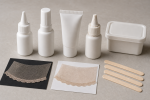
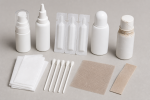
Record product identity, carrier, adhesive faces, liner color and sides, roll or pre-cut format, width, thickness, contour, compatible surfaces, overlap restrictions, placement map, wear and release directions, storage, lot, expiration, and signs of lifted edges or dry residue.
Identify carrier and coating rather than judging color
Record whether the tape is foam, film, fabric, mesh, or another disclosed carrier and whether both faces use the same adhesive. Clear, white, blue-lined, or beige stock can still differ in thickness, flexibility, residue, and removal requirements. Do not infer skin suitability, hold time, or waterproof performance from liner color.
Choose roll, straight strip, or contour tab by geometry
Compare the available forehead, temple, side, and nape curves with the exact tape shapes while liners remain on. A curved tab can reduce folding on one arc, while a straight strip may fit a flatter zone. Do not force a pre-cut shape to bridge a seam or bend it into a curve that wrinkles the carrier.
Inspect liners and edges before handling
Both protective liners should cover the adhesive completely and separate in the stated order. Reject sheets with lifted corners, trapped lint, creases, bubbles, edge ooze, dry patches, discoloration, or pieces stuck together. Touch only permitted liner tabs. Do not test tack with a finger or return a peeled piece to clean stock.
Create a non-overlapping placement map
Mark each intended piece on a drawing or off-head template, including gaps, corners, and hardware exclusions. Keep tape away from hair, broken or concerning skin, and moving cap parts. Adjacent pieces should follow the directions for spacing or joining. Stacking tape changes thickness and removal behavior and is not a correction for poor geometry.
Cut roll tape before entering the contact zone
When cutting is allowed, use the specified clean tool and surface away from the person and lace. Preserve the full liner, keep edges square or smoothly contoured, and store the tool safely after use. Do not cut against skin, lace, a wig block, or hair, and do not keep ragged offcuts for later contact.
Prepare the first surface and place without stretch
Follow the tape directions for cleansing, drying, product exclusion, and optional compatible preparation. Hold the piece by liner tabs, align it to the map, and press by the stated method. Do not stretch the carrier, because it can recoil, wrinkle, narrow, or pull the attached surface after placement.
Remove the second liner in controlled sections
Confirm which liner remains and lift only the designed tab. Keep the exposed adhesive free of fingers, hair, fabric, and dust. Peel a short section, align the lace, and continue by the documented sequence. If the tape folds onto itself or touches the wrong surface, discard it rather than pulling it apart and reusing it.
Check borders and hardware after attachment
Inspect every tape edge from the visible side and cap interior where possible. Look for folds, lifted corners, gaps, lace tension, carrier show-through, contact with combs or straps, and pieces that cross a seam. Do not add a patch over a lifted corner without fully following the correction and release directions.
Release each solid piece before lace movement
Apply the named remover by the stated side, amount, and dwell interval. Support the lace while the coating softens and lift only when the carrier separates without force. Count removed pieces against the map. Do not peel dry tape, scrape residue, use a sharp edge, or leave a fragment hidden in hair or cap material.
Clean and dry each surface separately
Lace, cap fabric, hair, skin, and tools can require different cleanup products and motions. Follow the relevant directions, remove residue without stretching mesh, and let all layers dry before storage or reattachment. Tape is single-use unless the current product directions explicitly state another use route.
Protect stock from heat, pressure, and contamination
Keep rolls and sheets in their original identified packaging under the stated temperature and light conditions. Prevent heavy objects from deforming contours or squeezing adhesive beyond liners. Discard expired, unknown, dusty, wet, warped, fused, dried, or edge-contaminated pieces and any roll whose liner no longer protects the coating.
Decision table
| Checkpoint | Continue when | Stop or replace when |
|---|---|---|
| Format | Carrier, coating, width, and contour match the mapped zone | Forced curve, wrong thickness, wrinkle, or seam bridge |
| Liner | Both faces remain fully protected until their placement step | Lift, lint, bubble, ooze, dry patch, or stuck pieces |
| Placement | Piece lies flat without stretch or unapproved overlap | Fold, recoil, hair contact, stacked tape, or lifted corner |
| Release | Named remover frees and accounts for every piece | Dry peeling, scraping, hidden fragment, or lace distortion |
| Stock | Identified tape stays clean, flat, dry, and protected | Expiry, unknown roll, heat deformation, contamination, or failed liner |
Keep tape geometry outside medical or hold claims
AAD sources support reducing painful repeated pulling but do not validate tape coating, placement, or wear duration. FDA hair-product information does not certify a tape carrier. Product directions and observable liner, edge, and release condition control the decision.
- AAD traction guidance: A tape layout should not compensate for painful cap tension.
- AAD extension precautions: Keep attachment and removal gentle and the hair system clean.
- FDA hair-products overview: Assess nearby cosmetic products separately from tape construction.
Select hair format before mapping tape
Related extension pages answer fiber, attachment, and coverage questions. They cannot select carrier thickness, contour tabs, or a release product.
- hair extension selection guide: separates hair choices from tape geometry
- hair crown extensions guide: keeps shade and placement outside liner handling
- hair extension type guide: routes attachment formats before tape mapping
Final checklist
- Carrier, coating, dimensions, contours, liners, and compatible surfaces are documented.
- Every piece has a planned non-overlapping location before a liner is removed.
- Tape is placed without stretching, folding, or contaminating exposed adhesive.
- All pieces are released, removed, counted, and discarded after use.
- Distorted, expired, dirty, wet, dried, fused, or unidentified stock is discarded.
Describe placement without promising attachment duration
Flat placement and complete release during one recorded session do not establish secure wear time, waterproof performance, skin compatibility, irritation-free contact, or damage-free removal.
Lace wig tape is a carrier, liner, contour, map, placement, release, count, and storage decision. A clean solid piece remains acceptable only until its protective liner or geometry is compromised.