Synthetic Wig Shampoo: Selection, Use, Cleaning, and Replacement

Direct answer: Choose shampoo for a synthetic wig only when both the wig and cleanser directions identify compatible manufactured fibers and a complete wash route. Record dose, dilution if required, water temperature, contact time, agitation, rinse, cap and hardware limits, and drying method. Detangle the dry wig by its fiber directions before washing, support the cap, avoid scrubbing or twisting, and rinse until the permitted cleanser is removed. Synthetic fiber does not respond like growing hair and may have strict heat and product limits. Replace shampoo that is unknown, expired, contaminated, separated, leaking, or no longer dispenses a consistent dose; retire a wig with irreversible matting, fused fiber, torn construction, or failed hardware.
Verify the manufactured fiber before choosing cleanser
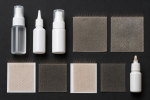
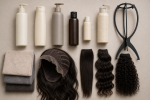
Keep the wig's fiber disclosure, cap construction, color, finish, heat limits, product exclusions, wash directions, and repair history with the shampoo label, ingredients, dose, dilution, water temperature, rinse, drying, storage, lot, and expiration. Photograph dry texture and cap condition before washing so post-care changes have a real comparison.
Read the exact synthetic-fiber disclosure
Determine whether the wig is standard synthetic, heat-compatible synthetic, a named manufactured fiber, or a blend. Record finish, curl pattern, color process, density, and cap materials. The word synthetic alone does not supply a universal water temperature, cleanser, brushing method, or heat limit. If the disclosure is missing, do not infer material from shine, texture, burn testing, or a seller category.
Match shampoo directions to the wig label
Look for an explicit statement that the cleanser is intended for the disclosed fiber or for wigs under compatible instructions. Compare exclusions for silicone, oils, alcohol, color deposits, fragrance, conditioner, and styling residue. A bottle marketed for human hair is not automatically appropriate for synthetic filament, while a general mild-cleanser description cannot override a wig maker's prohibited-product list.
Inspect dry fiber and construction before water
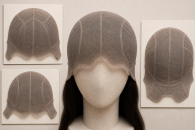
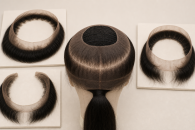
Work from ends toward the base using the specified tool and support. Record tangles, frizz, static, kinked ends, fused strands, exposed wefts, loose knots, cap tears, elastic, clips, combs, and decorative parts. Remove detachable accessories as directed. Do not wash a structurally failed wig hoping water will restore it; wet weight and movement can make hidden weaknesses harder to control.
Measure cleanser and dilution separately
Use the stated dose for the water volume or wig size and prepare dilution only when directed. Add product in the specified order so concentrated cleanser does not sit on one fiber zone. Do not pour directly onto the wig unless permitted, use extra shampoo for heavy residue without instructions, combine brands in the basin, or transfer liquid into an unmarked bottle.
Control immersion and movement
Use a clean container and the required water temperature. Lower the wig while supporting the cap and keep fiber aligned. Follow the permitted soak, lift, or gentle swish sequence without rubbing curls together, scrubbing the base, twisting the cap, or bunching long lengths. Keep hardware from striking the container. Stop if color release, deformation, unexpected odor, tackiness, or fiber fusion appears.
Rinse with the cap supported
Replace or use water according to the directions and move it through fiber and cap without high-pressure tangling. Check nape, crown, dense wefts, lace, elastic channels, and hardware bases for remaining cleanser. A slippery feel can come from the fiber finish rather than residue, so use the documented endpoint. Do not wring, stretch lace, squeeze combs through the cap, or rub ends between towels.
Condition only through a supported synthetic route
Some synthetic wigs permit a dedicated conditioner, detangling spray, or leave-in product; others exclude it. Verify product, amount, placement, rinse, and buildup limits. Keep conditioner away from knots, lace, weft bonds, and hardware when required. Human-hair masks, hot-oil methods, and scalp treatments do not become suitable because the wig feels dry.
Dry without resetting texture by accident
Blot using the permitted method, arrange the cap on a stable ventilated support, and position fibers in their intended pattern without tension. Keep standard synthetic fibers away from dryers, radiators, hot tools, direct high heat, and sunlight unless exact limits allow them. Do not brush wet curls or stretch waves straight. Surface-dry ends do not prove the cap, nape, and dense base are dry.
Assess the manufactured pattern after full drying
Compare dry curl, wave, straightness, luster, static, tangling, end condition, density, cap shape, and hardware with the baseline. Separate temporary positioning from melted, frizzed, stretched, or permanently kinked filament. Do not use heat, solvent, oil, or repeated washing as an improvised correction. Follow the fiber-specific reset or repair route when one exists.
Keep shampoo and wig replacement decisions separate
Retire cleanser for missing identity, expiry, contamination, leakage, broken closure, unexpected separation, altered odor, or inconsistent dosing. Retire or professionally assess the wig for fused fibers, severe base matting, torn lace, failed elastic, loose wefts, rough hardware, persistent residue, odor after complete drying, or a texture change outside its supported restoration route.
Decision table
| Checkpoint | Continue when | Stop or replace when |
|---|---|---|
| Fiber | Exact synthetic or blend disclosure and heat limit are known | Unknown material, improvised burn test, or unsupported heat |
| Cleanser | Label and wig directions provide one compatible wash route | Human-hair assumption, conflicting exclusions, or unidentified mix |
| Wash | Dose, water, movement, cap, and hardware stay controlled | Scrubbing, twisting, bunching, high pressure, or direct concentrate |
| Dry | Fiber pattern and all cap layers dry on stable support | Heat exposure, wet brushing, damp base, or distorted texture |
| Condition | Dry wig matches its recorded material baseline | Fusion, matting, cap failure, residue, or irreversible deformation |
Use cosmetic guidance without treating synthetic fiber as scalp hair
FDA information provides general shampoo and cosmetic context, but the manufactured fiber and wig directions control compatibility. AAD guidance supports avoiding damaging tension in the worn system; it does not define synthetic wash temperature, conditioner, heat tolerance, or restoration.
- FDA hair-products overview: Use the cleanser under its actual cosmetic directions and disclosures.
- AAD extension precautions: Keep the complete worn system clean without relying on damaging tension.
- AAD traction guidance: Washing cannot correct a cap or attachment that pulls painfully.
Keep fiber selection upstream of shampoo
The related pages help distinguish extension fibers and formats. They do not supply a synthetic wig's cleanser dose, water temperature, or heat limit.
- hair extension selection guide: routes fiber disclosure before cleanser choice
- hair extension type guide: keeps attachment construction outside washing
- hair crown extension guide: separates shade and placement from fiber care
Final checklist
- Synthetic fiber, cap, hardware, finish, heat limit, and wash route are documented.
- Shampoo compatibility, dose, dilution, water, movement, and rinse are explicit.
- Dry tangles and structural problems are recorded before water.
- The cap and manufactured texture dry completely without unsupported heat.
- Altered cleanser and irreversibly fused, matted, or failed wig parts are retired.
Do not borrow human-hair or scalp outcomes
A clean synthetic wig in one recorded cycle does not prove restored fiber, permanent softness, color protection, scalp benefit, longer wear, or compatibility with another manufactured filament or cap construction.
Synthetic wig shampoo is a disclosed-fiber, compatible-label, measured-wash, supported-rinse, no-heat drying, and material-condition decision. Preserve the manufactured pattern instead of applying assumptions from growing hair.