Hair Color for Olive Skin: Undertone and Shade Guide

Quick answer: olive skin can work with many hair colors. A reliable choice starts with your visible undertone, natural hair depth, contrast preference, gray-coverage goal, and willingness to maintain regrowth. There is no single objectively “best” shade. Use swatches near the face and compare them in daylight before committing to a large change.
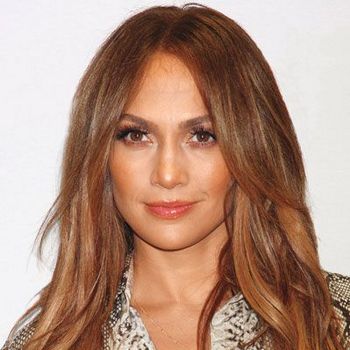
How to Recognize an Olive Undertone
Olive complexions can appear neutral, warm, cool, muted, or golden depending on lighting and surrounding colors. A green or gray cast can be more noticeable beside a very pink or orange swatch. Vein color alone is not a dependable test. Instead, compare several fabric or hair-color swatches next to clean skin in indirect daylight and note which shades make the complexion look even rather than dull or overly red.
Shade Families to Compare
Neutral and dimensional brunette
Neutral brown, soft espresso, mushroom brown, and dimensional brunette are practical starting points because the depth can be adjusted without forcing a strongly warm or cool result. Fine highlights or a subtle face frame can add movement while keeping the root area lower maintenance.
Warm brown and copper-brown
Caramel brown, chestnut, cinnamon, and restrained copper-brown can complement an olive complexion that looks lively beside warm golds and earthy colors. If orange tones make the skin look sallow, ask for a more neutral brown base or a cooler gloss rather than choosing warmth from the box name alone.
Cool brown and soft black
Cool espresso, ash brown, and soft black can create clean contrast, especially when the natural hair is already dark. Very flat blue-black may feel severe on some people, so compare a softer neutral-black swatch first. Moving from very dark permanent color to a lighter shade later can require substantial correction.
Blonde options
Beige, dark honey, neutral bronde, and carefully placed highlights are often easier to balance than a single very pale or very yellow blonde. The amount of lift required matters as much as the final tone. Ask whether your target can be reached safely in one session and how toner and regrowth will be maintained.
Fashion colors
Burgundy, plum, muted rose, deep teal, and other fashion colors can work when their depth and saturation suit your contrast preference. Bright colors often require pre-lightening and fade differently from natural shades. Review the maintenance plan before choosing a shade from a heavily edited photo.
A Five-Step Decision Method
- Photograph your baseline. Use indirect daylight without a beauty filter.
- Choose a depth range. Decide whether you want to stay near your natural level or accept the work of a larger shift.
- Compare temperature. Hold neutral, warmer, and cooler swatches beside the face.
- Set the maintenance limit. Consider visible regrowth, toner, fade, and the frequency of professional reassessment.
- Test before full commitment. A strand test can reveal lift, porosity, and unexpected warmth, while the product-directed skin test addresses sensitivity risk.
Gray Coverage and Regrowth
Gray blending, partial coverage, and opaque coverage are different goals. A dimensional shade near the natural depth can make regrowth less obvious than a high-contrast solid color. Ask whether the plan uses permanent color, demi-permanent color, highlights, or a combination. Our guide to demi-permanent hair dye explains the category, while the demi-permanent fade guide covers wash and maintenance factors.
Hair and Scalp Safety Checks
The FDA advises following package directions and warning statements, performing the instructed skin test each time, wearing gloves, keeping dye away from the eyes, and not mixing different hair-dye products. Do not use scalp hair dye on eyebrows or eyelashes. A prior problem-free application does not guarantee that a later application will be reaction-free because sensitivities and formulas can change.
Tell a stylist about previous permanent dye, lightener, henna, relaxers, smoothing treatments, scalp irritation, and known allergies. Avoid promising that a shade will be harmless, permanent, or achievable in one visit. Stop and obtain appropriate medical help if a reaction develops.
Photo and Product Claims to Treat Carefully
Online shade photos can be affected by lighting, camera processing, filters, starting color, and hair porosity. Product names such as “olive,” “ash,” or “golden” do not follow one universal scale across brands. Verify the numbered level, tone description, required developer, instructions, and current ingredient list on the actual product.
Sources
Frequently Asked Questions
Is warm or cool hair color better for olive skin?
Neither is universally better. Compare both beside your face because olive complexions vary in temperature and contrast.
Can olive skin wear blonde hair?
Yes. Beige, honey, bronde, and other blonde families can be adjusted by depth and tone. The starting color and required lift determine the technical plan.
What is the lowest-maintenance option?
A dimensional shade close to the natural depth generally makes regrowth less obvious, but maintenance depends on the formula, gray coverage, washing, and styling routine.