Detangling Hair Milk: Texture, Distribution, and Layering

Direct answer: use detangling hair milk as a measured emulsion that adds temporary slip and conditioning weight. Confirm wet-or-dry directions and rinse status, start with a small dose across supported sections, distribute before combing from ends upward, and add compatible stylers only after the milk’s dry feel is understood. Reduce or stop when roots flatten, strands clump, residue builds, knots tighten, or breakage increases.
Confirm what hair milk means
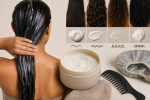
Hair milk can be a light leave-in emulsion, richer cream, sprayable lotion, rinse-out conditioner, or multipurpose styler. Read hair condition, shaking, zones, dose, rinse status, heat, and frequency. The FDA hair-products overview provides cosmetics context without defining one standard milk texture or weight.
Evaluate emulsion weight
Water, conditioning agents, oils, fatty materials, silicones, polymers, proteins, and humectant systems can change spread, slip, drying, and residue. A thin-looking milk can still leave substantial film, while a richer cream can work at a smaller dose. Do not predict weight from color or pourability alone.
Follow wet or dry directions
A damp-hair milk can distribute differently on dry hair, and a dry-use formula can become over-diluted on soaking sections. Standardize water level before comparing applications. Do not keep adding milk because wet hair hides the film; inspect a representative section after drying before increasing the next dose.
Map sections before dispensing
Divide hair into ends, mid-lengths, underside, crown, and other relevant zones. Long or dense hair usually needs more sections, not one large dose. The long-hair guide supports low-tension section planning.
Start with a fine dose
Use the label amount or a repeatable pump, spray, or fingertip measure. Emulsify between palms only when directed, then spread across planned sections before adding more. Keep the formula away from eyes and broken skin. Excess can create root heaviness, stringy grouping, long drying, tool film, and difficult washout.
Distribute before using a tool
Smooth milk along the fiber direction with fingers and palms, supporting the section above the working point. Begin at the ends and separate obvious crossings by hand. Use a clean wide-tooth comb or compatible brush only after slip develops. Do not rake from roots or force through a compact knot.
Choose the tool by control
Comb spacing, flexible brush rows, smooth seams, clean edges, and handle grip influence force. The curly-hair brush guide compares detangling and styling functions. Replace a cracked, sharp, dirty, or snagging tool rather than compensating with more milk.
Layer stylers one at a time
Allow the milk to distribute or dry as directed before adding gel, mousse, serum, oil, cream, or heat protectant. Test compatibility in a small section when permitted. Pilling, white flakes, stringy clumps, tack, dull film, or loss of hold can signal incompatible amount, order, or combination rather than a need for another layer.
Keep color and styling goals separate
Hair milk can change surface feel but does not establish color preservation. The red-hair guide supplies color and care context. Follow fresh dye, bleach, relaxer, perm, smoothing, and extension restrictions before applying a leave-in emulsion.
Inspect the dry finish
Observe root lift, section separation, flexibility, end feel, tangling, tack, stiffness, fragrance, drying time, and transfer to tools or textiles. A product can provide useful wet slip while drying too heavy for the intended style. Change placement or dose before discarding the entire formula category.
Recognize residue and buildup
Repeated milk, oil, gel, and dry shampoo can reduce wetting, change lather, dull strands, collect on combs, and make roots heavy. First verify cleanser access, water, sectioning, and rinsing. Do not use household detergent or stack multiple reset products. Reduce layers and change one variable at a time.
Set frequency from the complete layer record
Record the milk date, water level, dose, zones, tool, drying time, stylers added above it, dry weight, and next-wash residue. Use the label interval and do not repeat early merely because tangles return after friction or sleep. A shorter interval can increase coating, while a longer interval cannot compensate for inadequate sectioning. Change one layer, amount, or timing variable before the next comparison.
Store and clean dispensing parts
Close the container, wipe the exterior pump or nozzle under directions, and keep it within temperature and light limits. Do not dilute, refill, or combine leftovers. Clean combs, brushes, clips, towels, and pillowcases so old emulsion is not transferred back. Replace leaking, separated, malodorous, expired, or unidentifiable product.
Review ingredient and breakage boundaries
The FDA cosmetics-allergen guidance supports ingredient review without predicting response. The AAD hair-care guidance supports gentle handling without prescribing hair milk. Stop for burning, swelling, hives, pain, marked shedding, or worsening breakage and follow appropriate guidance.
Decision table
| Question | Useful evidence | Stop or revise when |
|---|---|---|
| How heavy is it? | Dry movement, root lift, separation, and tool residue | Texture alone predicts weight |
| How much? | A repeatable small dose across prepared sections | Wet hair hides repeated layers |
| Can it layer? | A small section dries without pilling, flakes, or tack | Several stylers are combined at once |
| Is detangling improving? | Supported end-first passes meet less resistance | Pain, matting, or snapping increases |
Final checklist
- Formula type, wet-or-dry condition, rinse status, zones, and dose are known.
- Hair is sectioned and product is distributed before tool use.
- Stylers are added one at a time after compatibility checks.
- Dry weight, transfer, residue, and next-wash buildup are inspected.
- Pain, reaction, matting, and increasing breakage stop use.
Detangling hair milk is a dose-and-distribution tool, not a reason to add force or layers. Control water, sections, emulsion weight, and styler order, then judge the dry finish and washout before changing the routine.