Eye Shadow Guide: Color, Texture, Placement, and Safety

Quick answer: Choose eye shadow by the effect you want, the formula your lids tolerate, and where the color will sit. Use clean tools, products intended for the eye area, controlled placement, and gentle removal. This independent editorial guide does not diagnose or prescribe, does not claim first-hand testing, and does not promise a particular outcome.
Define the look before buying a palette
Separate everyday definition, one-color wash, smoky depth, bright accent, and graphic color goals. A large palette is not automatically more useful than a few shades with clear roles. Identify a lid shade, a transition or blending shade, an optional depth shade, and a highlight only when it suits the intended placement. This makes formula and finish comparisons more practical.

Use color relationships instead of rigid rules
Eye color, skin tone, clothing, lighting, and personal preference all affect the result. Complementary contrast can make an iris color appear more noticeable, while related neutrals create a quieter look. Treat shade charts as starting points rather than restrictions. Test color in the lighting where it will be worn, and do not assume a promotional photograph represents every skin tone or camera setting.
Compare powder, cream, liquid, and stick formulas
Pressed powder can offer gradual layering, loose pigment can be intense and messy, cream can create a smooth wash, liquid can set quickly, and sticks can simplify targeted placement. Formula choice affects control, fallout, drying time, and removal. Check whether a product is actually intended for the eye area and read the ingredient declaration rather than relying only on words such as clean or natural.
Match finish to texture and placement
Matte, satin, shimmer, metallic, and glitter finishes reflect light differently. Fine shimmer across the lid is different from coarse particles close to the lash line. Texture can emphasize lid folds or dryness under some lighting, but no finish is universally unsuitable for an age group. Place reflective products where they can be controlled and keep loose particles out of the eye.
Prepare lids without aggressive layering
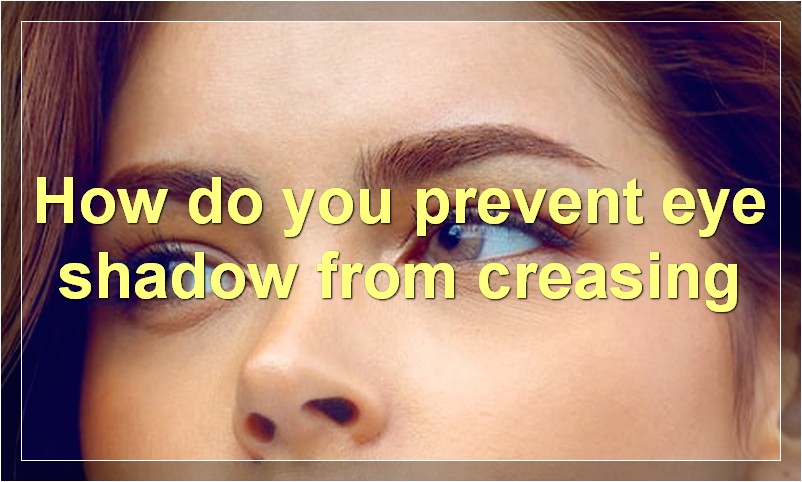
Begin with clean, comfortable skin. Use a small amount of eye-safe primer when needed for grip, oil control, or color evenness. Heavy layers of skin care, concealer, powder, primer, and shadow can crease or irritate. Let each permitted product settle before adding the next, and avoid applying cosmetics over inflamed, infected, cut, or recently reacted skin.
Build placement in small steps
Apply less product than you think you need, tap off loose excess, and add depth gradually. Keep the darkest shade controlled near the lash line or outer area according to the chosen shape. Blend edges without rubbing the eye. For hooded or deep-set lids, check placement with the eye open because color hidden in a closed-eye pose may not show in ordinary expression.
Keep brushes, fingers, and products clean
FDA advises clean hands and instruments around the eyes and warns against sharing eye cosmetics. Wash reusable brushes appropriately, dry them completely, close containers, and avoid contaminated testers. Do not add water or saliva to revive a dry product. Replace a product that changes smell, texture, or performance, and discard eye cosmetics used during an eye infection.
Protect the eye from applicator injury
Apply makeup while still, with adequate light and a stable mirror. Do not apply in a moving vehicle. Use controlled pressure near the lash line and stop if a brush, pencil, particle, or contact lens causes pain. Rinse loose material as appropriate and seek care for persistent pain, vision change, marked redness, discharge, or a suspected scratch.
Stop for irritation or infection signs
Burning, swelling, hives, persistent itching, significant redness, discharge, or worsening discomfort is not a normal sign that pigment is working. Stop the suspected product, avoid adding another cosmetic to cover the reaction, and seek appropriate care when symptoms are significant or persistent. Do not use eye cosmetics while an infection or surrounding inflammation is active.
Remove eye shadow gently
Use a remover intended for the eye area and compatible with the formula. Hold a dampened pad briefly when the label allows, then wipe without repeated hard rubbing. Remove remaining product from skin folds and lashes, rinse when directed, and keep remover out of the eye. Glitter, waterproof bases, and long-wear creams may need a different labeled remover rather than more force.
Use a pre-action checklist
Write down the exact concern, what has already been tried, relevant medical history, medicines, allergies, pregnancy or breastfeeding status, active irritation, and the source used for the decision. Check the product, device, or provider against a current label or first-party page. Separate questions that require a clinician from cosmetic preferences. Do not proceed when the body area, diagnosis, ingredient, device, seller, or instructions cannot be identified reliably.
Make one controlled change
Keep the rest of the routine stable when practical. Follow the identified directions and begin with the least aggressive reasonable step. Record timing, comfort, visible reaction, and any concurrent product or treatment. Do not increase dose, pressure, frequency, contact time, or product combinations to force a faster result. A lack of immediate improvement is not permission to ignore warnings or turn general information into a personal treatment plan.
Separate evidence from testimonials
A customer review, influencer demonstration, before-and-after image, retailer description, or provider gallery cannot establish diagnosis, safety, or likely outcome for another person. Lighting, editing, concurrent treatment, selection, and follow-up can change what is shown. Prefer current regulator, professional medical organization, label, and identified study information. Keep uncertainty visible instead of converting preliminary evidence into a promise.
Define escalation and follow-up
Know whom to contact for an ordinary product question, a treatment concern, and an urgent reaction. Keep packaging, instructions, provider details, and photos when relevant. Seek timely care for severe pain, breathing symptoms, eye involvement, sudden hearing change, spreading infection signs, persistent bleeding, blistering, marked swelling, or another significant change. Review the plan when symptoms persist rather than repeating an ineffective step.
Document the decision without overstating it
Keep a short record of the original concern, the action selected, the date, the product or provider identity, and the sources reviewed. Use comparable lighting and conditions for photographs when appearance is relevant, and note other routine, medication, health, or environmental changes. A record can help identify timing and patterns, but it does not prove that one item caused an improvement or reaction. Update the decision when instructions, symptoms, diagnosis, or professional advice changes. Do not reuse another person's result as an expectation for your own body, and do not publish private health details merely to obtain product advice. At the planned review point, compare the record with the original goal and stop conditions. Keep, change, or discontinue a step for a documented reason rather than because a trend, advertisement, or isolated comment creates urgency. When professional care is involved, bring the record to the appointment and ask which observations are clinically useful.
Related Beauty Supply Reviews guides
Continue with this related guide and this next-step guide. These links support navigation and are not evidence for a diagnosis, product, procedure, or outcome claim.
Editorial sources
- https://www.fda.gov/cosmetics/cosmetic-products/eye-cosmetic-safety
- https://www.fda.gov/cosmetics/cosmetic-products/makeup