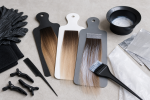
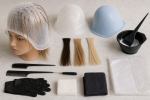
Mushroom Brown Hair Color: Starting Level, Neutral Tone, and Upkeep

Direct answer: mushroom brown is a neutral-to-cool brown direction built from taupe, muted beige, and restrained ash rather than a single universal shade. Choose the target depth first, compare it with your current level and artificial color history, then select a permanent, demi-permanent, gloss, or professional correction route that can realistically bridge the difference. A strand test is essential because exposed warmth and porosity can turn the same formula warmer, darker, flatter, or less even on different hair.
The most reliable plan does not begin with a social-media photo or a shade name on a box. It begins with starting depth, existing warmth, percentage of gray, previous color, condition, and maintenance tolerance. Mushroom brown can be subtle and wearable, but achieving a cool-neutral result may require controlled lightening or filling rather than simply adding ash.
Define the mushroom brown target
Mushroom brown generally sits between clearly warm chocolate brown and distinctly smoky ash brown. Its visual identity comes from balanced neutrality: enough cool influence to mute orange or red, enough beige or natural tone to avoid a hollow gray cast, and a depth that still reads as brown.
Describe the target with three decisions. First, choose depth: light brown or dark blonde, medium brown, or deep brown. Second, choose temperature: neutral taupe, cool taupe, or beige-neutral. Third, choose dimension: one even field, a neutral base with ribbons, or a softer root with lighter lengths.
Lighting changes the appearance. Indirect daylight reveals warmth more clearly than a dim bathroom or a heavily filtered photo. Save references shown in several lighting conditions and prioritize models whose starting level and hair history resemble yours.
Assess the starting level and history
Natural dark blonde or light brown hair may reach a light mushroom direction through deposit, gentle shift, or a professionally selected process. Medium brown may support a deeper taupe result without major lift. Very dark natural hair usually exposes red-orange or orange warmth as it lightens, so a pale mushroom reference can require multiple controlled stages.
Artificial dark color changes the decision. Color does not reliably lift previous color to a clean lighter result. Repeated permanent dye can leave uneven bands and porous ends. Henna, metallic salts, relaxers, perms, and previous lightener add compatibility concerns that should be disclosed to a qualified colorist.
Gray percentage also matters. Gray hair may resist deposit or take cool pigment differently from pigmented hair. Decide whether the goal is full coverage, soft blending, or keeping visible silver. The gray hair transition guide helps frame that coverage decision before formula selection.
Understand exposed warmth
Lightening does not reveal a neutral blank canvas. Darker levels expose red, red-orange, orange, or yellow-orange undertones as pigment is removed. A mushroom result depends on reaching an appropriate underlying level and balancing the remaining warmth without overloading ash.
Blue can visually counter orange and violet can counter yellow, but color-wheel shorthand is not a complete formula. Depth, pigment concentration, brand system, developer, porosity, application order, and processing conditions change the outcome. Adding more cool pigment can create a murky, greenish, or overly flat result when the underlying warmth or fill is misjudged.
If the target is darker than porous lightened hair, the hair may need missing warm foundation restored before a balanced neutral brown is deposited. That is one reason a dramatic light-to-dark change deserves professional formulation rather than an improvised ash shade.
Choose the color route
Permanent color
Permanent color may be considered for lasting deposit, gray coverage, or a label-supported shift on suitable natural hair. It creates ongoing root maintenance and is not a simple way to remove previous dark dye. Use only the developer and mixing ratio specified for the exact system.
Demi-permanent color or gloss
A demi-permanent route can add neutral-cool deposit, refine faded lengths, deepen slightly, or test the direction with less commitment. It generally does not provide major lift. It can still darken porous ends quickly, so strand testing and controlled application order remain important.
Professional lightening and toning
When the target is significantly lighter, the starting canvas is dark or previously colored, or the hair has bands, a professional may separate lightening from neutralization. This route allows condition checks between stages and reduces pressure to force a large change in one session.
Use the blonde hair ideas guide to compare the maintenance demands of lighter dimensional directions before choosing a mushroom result near the dark-blonde range.
Use strand tests as decision evidence
Complete every label-required allergy alert or skin test before each use, then test a hidden strand using the exact planned formula, ratio, section saturation, and timing. A strand test answers practical questions: Is the target depth reachable? How much warmth remains? Do porous ends become too dark or cool? Does the hair retain acceptable strength and feel?
Photograph the dry strand in indirect daylight and indoor light. Wet hair usually appears darker and can hide unevenness. If the test is too warm, do not assume extra processing time is the answer. If it is too dark or flat, do not apply the same formula to the full head hoping it will look lighter at scale.
Repeat the test when the formula, developer, timing, or starting area changes. Hair near the roots may process differently from mid-lengths and previously lightened ends.
Account for porosity and application order
Porous hair absorbs and releases pigment unpredictably. Lightened ends may grab cool tones and look smoky while healthier roots remain warmer. Uneven porosity can create bands even when application appears uniform.
Follow the product’s application sequence rather than automatically starting at the roots or ends. Some refresh plans call for limited exposure on porous lengths; others require separate formulas. Do not repeatedly overlap permanent color through fragile ends simply to refresh tone.
Clarifying, mineral buildup, heavy silicones, and hard water can affect the canvas, but aggressive cleansing immediately before chemical color may irritate the scalp. Use only label-compatible preparation and avoid applying to a scratched, sunburned, or irritated scalp.
Plan dimensional mushroom brown
Dimension can make a neutral brown look less flat and grow out more softly. Options include a neutral root with taupe ribbons, a medium mushroom base with lighter beige-neutral pieces, or a shadowed root leading into muted brown lengths. The contrast should be planned by depth and placement, not by adding unrelated shades.
Face-framing pieces are highly visible and may need more frequent toning. Fine highlights can blend gray or soften a dark base, while broad pale pieces create stronger contrast and reveal warmth sooner. The red hair ideas guide illustrates how placement and contrast affect visibility and upkeep even though the target temperature differs.
Complex multi-formula placement, major lightening, and back-of-head precision are appropriate reasons to use professional service.
Maintain neutrality without chasing ash
Wash frequency, water temperature, sun, heat styling, mineral buildup, and the condition of the cuticle affect fading. Use color-care products compatible with the chosen service, moderate heat, and apply heat protection as directed. Space chemical services according to product directions and hair condition.
A blue or blue-violet maintenance product may help some orange or yellow-orange drift, but it is not automatically suitable for every mushroom depth. On porous or already-neutral hair it can create dullness or uneven cool patches. Test frequency and contact time conservatively according to the product label.
Schedule refreshes based on visible fade and condition rather than a rigid universal calendar. Root regrowth, gray coverage, gloss fading, and highlighted dimension all have different maintenance patterns. Record the formula, timing, application order, and strand-test result for future decisions.
Respect color and scalp safety
The U.S. Food and Drug Administration advises following all label and package directions, completing the directed skin test before every use, wearing gloves, keeping dye away from the eyes, observing the stated time, and rinsing the scalp thoroughly. Never use scalp hair dye on eyebrows or eyelashes.
The American Academy of Dermatology notes that lightening by more than three shades generally requires stronger peroxide and can cause more damage. It also recommends staying within three shades of natural color when possible and spacing chemical services to reduce cumulative stress.
Stop and rinse as directed if a reaction occurs. Seek appropriate medical advice for significant symptoms. Do not continue because a cool target seems to need more time, and do not mix products or developers outside their instructions.
Common mushroom brown planning errors
- Choosing a shade name without defining target depth.
- Ignoring old dark dye or uneven bands.
- Trying to neutralize strong warmth with excessive ash deposit.
- Applying one formula equally to resistant roots and porous ends.
- Expecting demi-permanent color to create major lift.
- Judging the result only while wet or under warm indoor light.
- Using maintenance pigment too often on already-neutral hair.
- Attempting a major correction without a strand test.
Mushroom brown decision checklist
- Define the target depth, temperature, and amount of dimension.
- Record natural level, gray percentage, artificial color, and chemical history.
- Identify the warmth likely to appear during any lift.
- Choose deposit, permanent color, or professional lightening based on the actual gap.
- Complete label-required safety checks and a representative strand test.
- Adjust for porosity and use the directed application sequence.
- Plan root, tone, and dimensional refreshes separately.
- Use professional assessment for major lift, bands, fragility, or corrective work.
Sources and scope
The FDA hair dyes guidance supports the label, skin-test, glove, timing, eye-area, scalp-condition, service-spacing, and adverse-reaction boundaries used here. The American Academy of Dermatology coloring guidance supports conservative shade changes and damage-reduction limits. Neither source supplies a universal mushroom brown formula, toner, developer, schedule, or promised outcome.