No-Rinse Hair Cleanser: Format, Soil Limits, and Towel Removal

Direct answer: use a no-rinse hair cleanser only under the exact wet-or-dry directions for that formula. Work in small sections, use the minimum directed amount, lift soil with a clean towel section rather than spreading it, and inspect the roots, lengths, scalp, towel, and odor afterward. Move to a conventional water-based wash when soil, residue, tangling, or scalp symptoms exceed what the no-rinse format can remove safely.
Verify the format before application
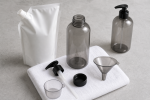
A liquid, foam, cap, wipe, or lotion can all be described as no-rinse, but their directions are not interchangeable. Read whether the exact formula goes on dry or damp hair, whether it must be towel-removed, and whether it is intended for roots, lengths, or both. The FDA hair-products overview provides cosmetics context without proving that one format cleans better than another.
Set realistic soil limits
No-rinse cleansing can be useful for a modest amount of oil, sweat, or surface residue when a full wash is temporarily impractical. It is not a reliable substitute for removing heavy styling buildup, adhesive, powder layers, smoke residue, chemical-service residue, visible debris, or an unknown spill. Do not keep adding cleanser when the first controlled pass leaves the hair coated or the towel continues to lift substantial soil.
Map sections before dispensing
Separate the hair into accessible root and length zones with clean clips or fingers. Begin at the area with the clearest need instead of saturating the entire head. Dense hair may require more sections, not a larger dose in one place. Keep the bottle, towel, comb, and a disposal or laundry container within reach so used materials do not contact clean sections.
Control dose and placement
Follow the stated pump, cap, wipe, or measured amount. Apply to a hand, towel, or hair section only when the directions permit that route. Avoid eyes, mouth, broken skin, and unintended facial areas. A section that looks wet or feels heavily coated has enough product for inspection; more liquid does not establish more cleansing and may make drying or residue worse.
Use towel sections as a soil record
Press, blot, or wipe only in the directed manner and with low friction. Rotate to a clean towel area after each section so removed oil and residue are not transferred back. A fresh light-colored towel can make soil and color transfer easier to see, but visible towel color does not identify its chemical source or prove that the hair is fully clean.
Protect fragile lengths from friction
Support the section near the roots and move the towel along the fiber direction rather than rubbing hair into a bundle. If the hair begins to snag, stop and separate it with fingers before using a wide-tooth comb. The long-hair handling guide offers useful sectioning context without changing the cleanser directions.
Inspect residue after the directed interval
Check the part, crown, hairline, nape, and representative lengths in more than one light. Feel for tackiness, stiffness, powdery film, or unusually slippery coating. Smell alone is not a cleanliness test because fragrance can cover odor. Do not add perfume, oil, dry shampoo, or styling spray to hide an incomplete result before deciding whether a water-based wash is needed.
Keep color and stain risks separate
Temporary color, fresh dye, tinted cleanser, and transferred soil can all mark a towel. Use a towel whose staining risk is acceptable and follow the color product’s own wash timing. The red-hair style guide can help plan low-friction handling, but it does not establish colorfastness for a cleanser or towel.
Prevent towel and tool cross-transfer
Place used towels directly in the planned laundry container and clean combs, clips, and hard surfaces under their material directions. Do not reuse a damp soil-marked towel on another person or on a clean section. Launder textiles separately when color or product directions call for it, and dry them fully before storage to avoid carrying residue or moisture into the next use.
Know when water-based washing is the better route
Choose a full wash when there is heavy oil, repeated dry-product layering, persistent odor, scalp debris, chemical residue, an unknown contaminant, or widespread product film. The shampoo-format guide helps distinguish a rinse-out cleanser from a cosmetic color task. Never improvise with household cleaners or solvents.
Review ingredient and scalp boundaries
The FDA cosmetics-allergen guidance supports ingredient review without predicting response. The AAD hair-care guidance supports gentle handling without prescribing no-rinse cleansing. Stop for burning, swelling, hives, sores, breathing symptoms, significant shedding, or worsening breakage and follow the product and appropriate professional guidance.
Store the cleanser and document the result
Close the container, keep it within stated temperature and light limits, and do not dilute, refill, or combine it unless expressly directed. Record the date, hair condition, zones, amount, towel passes, visible soil, residue, comfort, and next full wash. Replace a leaking, contaminated, expired, or unidentifiable product rather than trying to restore it.
Decision table
| Question | Useful evidence | Stop or revise when |
|---|---|---|
| Is the format suitable? | Exact dry-or-damp and removal directions are known | The product type or directions are unclear |
| Is soil within scope? | A modest, identifiable surface load | Heavy buildup, chemical residue, or an unknown spill |
| Is removal working? | A clean towel section lifts less soil without added friction | Soil keeps transferring or hair becomes coated |
| Is the session complete? | Hair, scalp, towel, tools, and next wash are checked | Symptoms, residue, or tangling increase |
Final checklist
- The exact no-rinse format and wet-or-dry directions are confirmed.
- Small sections and the minimum directed dose are used.
- A clean towel area is used for each removal section.
- Residue, soil, odor, comfort, and cross-transfer are inspected.
- A conventional wash is the fallback when the format reaches its limit.
A no-rinse cleanser is a bounded cleaning method, not a universal replacement for shampoo and water. Match the format, control the dose, rotate clean towel sections, inspect what remains, and switch methods when soil or scalp conditions exceed the product’s stated use.