Synthetic Wigs: Fit, Material, Density, Installation, Care, and Removal

Direct answer: Choose a synthetic wig by verifying the exact manufactured fiber, shade, texture, density distribution, cap size and depth, lace or weft construction, elastic, straps, combs, clips, heat ceiling, and care directions. Dry-fit it over the intended hair preparation and align front, crown, ears, and nape without maximum stretch or painful pulling. Map density rather than relying on a single light, medium, or full label. Use only products, water, tools, and temperatures supported for that fiber. Release every attachment before removal, dry the cap and fiber base completely, and retire a wig with fused filaments, severe base matting, torn lace, failed elastic, loose wefts, rough hardware, persistent residue, or a cap that no longer holds its intended shape.
Create one record for the fiber, cap, and attachment system
Photograph the dry wig from front, sides, back, crown, nape, and interior. Record manufactured-fiber name, blend disclosure, shade, finish, curl or wave pattern, length, density distribution, cap circumference and depth, lace, wefts, elastic, straps, combs, clips, seams, heat ceiling, permitted products, wash route, storage support, lot, and every repair or alteration.
Verify the manufactured fiber before judging appearance
Record whether the wig uses standard synthetic, heat-compatible synthetic, a named polymer fiber, or a disclosed blend. Natural-looking shine or movement does not identify composition. Compare color, luster, filament uniformity, crimp, curl memory, and finish under consistent light. Do not use a burn test, solvent test, or unlisted heat to guess material. Missing disclosure narrows every later product, wash, and styling decision.
Measure cap circumference and depth separately
Follow the maker's measurement route around the prepared head, then record front-to-nape depth, ear-to-ear position, crown volume, and the space required by braids or other permitted preparation. A cap can match circumference yet remain too shallow or deep. Do not rely on stretch to correct wrong geometry. Maximum elastic extension can increase pressure, pull the front backward, or lift the nape.
Inspect lace, wefts, panels, and seams
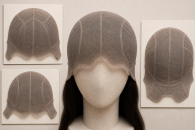
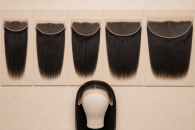
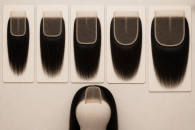
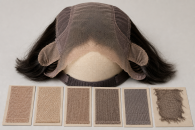
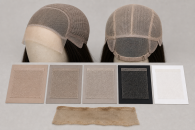
Turn the wig inside out under bright light. Identify lace-front width, parting area, mesh, weft rows, cap panels, edge binding, elastic channels, closure points, and previous repairs. Look for widening holes, lifted tracks, rough seam allowances, hardened residue, discolored mesh, loose thread, and distorted panels. Fiber density cannot compensate for a base whose structural parts are separating.
Read density as a distribution map
Observe concentration at the front, part, crown, sides, back, and nape. Record exposed tracks, abrupt transitions, heavy zones, sparse patches, and how the pattern changes when the cap is held in its intended shape. Density labels can use different methods and do not establish equal strand count, weight, drying time, movement, or heat retention. Compare the visible map with the intended styling and maintenance load.
Audit combs, clips, straps, and elastic
Locate every tooth, clip hinge, strap, slider, anchor, hook surface, and elastic section. Check smoothness, symmetry, stitching, and whether parts remain fully attached. Map them to the intended prepared-hair zones. Hardware should not press through thin lace, sit on a braid ridge, or cluster all load in one small area. Remove or relocate a component only through a supported construction route.
Run a dry fit before products or styling
Place the wig using its disclosed system and no extra adhesive, tape, powder, spray, or outer band. Align the front reference, crown, ear zones, and nape. Turn the head, look up and down, sit, and move the jaw. Record rotation, edge lift, nape rise, strap migration, tooth pressure, deep marks, pulling, and any correction that requires overtightening. Remove and reassess instead of hiding a fit problem.
Respect the exact heat and tool ceiling
Some synthetic fibers exclude heat; others permit a documented range and technique. Check the wig and tool directions together, including dry or damp state, strand section, distance, pass count, and cooling. A heat-compatible label is not a universal temperature. Do not test on the installed wig, use a household iron, exceed the lowest applicable ceiling, or heat lace, elastic, adhesives, hardware, or an unknown blend.
Choose products by fiber and base compatibility
Review cleanser, conditioner, detangler, styling product, tint, and adhesive separately. Confirm whether each product can contact the synthetic filament, lace, wefts, knots, elastic, and hardware. Avoid transferring human-hair masks, oils, scalp products, or color services to manufactured fiber without explicit support. More slip or shine can also mean residue that attracts soil, changes curl memory, or collects at the base.
Wash without rubbing the manufactured pattern
Detangle the dry wig by its instructions, measure cleanser and dilution, and use the stated water temperature and movement. Support the cap while lowering, lifting, rinsing, or directing water. Do not scrub fiber together, twist the cap, pile long lengths, or drag hardware through the container. Rinse dense wefts, nape, elastic channels, and lace until the documented endpoint is reached.
Dry every hidden layer before storage
Blot without wringing and arrange the wig on a stable compatible support. Position straight, wave, or curl patterns without stretching them into another shape. Keep standard synthetic fiber away from unsupported heat, radiators, and direct high-temperature airflow. Check the cap interior, lace folds, weft bands, elastic, hardware bases, crown, and nape. Dry-looking ends do not prove that joined layers are ready for storage.
Remove by reversing the attachment map
Release clips, combs, straps, hook sections, tape, or adhesive through their own supported sequence before lifting the cap. Support lace and free caught strands individually. Move in the low-resistance direction and keep teeth from scraping prepared hair. Do not pull the wig backward by its fiber, snap elastic, peel lace against resistance, or cut near skin to speed removal.
Retire material or construction failure
Set aside the wig for melted or fused filament, widespread frizz outside its supported reset route, permanent kink, severe base matting, torn lace, widened holes, loose wefts, failed elastic, broken strap, rough comb, cracked clip, hardened residue, persistent odor after full drying, or cap distortion. A new product, tighter strap, or denser style cannot repair a failed base.
Decision table
| Checkpoint | Continue when | Stop or replace when |
|---|---|---|
| Fiber | Exact manufactured material, finish, texture, and heat ceiling are known | Unknown blend, improvised material test, or unsupported heat |
| Cap fit | Front, crown, ears, and nape align without maximum stretch | Rotation, nape lift, shallow depth, compression, or painful pulling |
| Density | Distribution is visible across front, part, crown, sides, and nape | Exposed tracks, abrupt heavy zones, sparse patches, or hidden base failure |
| Hardware | Straps, elastic, clips, and combs remain smooth and distributed | Rough tooth, failed anchor, cracked clip, or concentrated load |
| Care | Fiber pattern and all cap layers return dry near baseline | Fusion, matting, residue, damp base, distortion, or failed construction |
Apply scalp guidance to fit, not to synthetic-fiber performance
AAD guidance supports reducing painful repeated pulling and monitoring the hairline around wigs and extensions. It does not certify a cap size, density, fiber, heat ceiling, or wear interval. FDA hair-product context does not determine compatibility with a manufactured filament or cap component.
- AAD extension precautions: Keep the complete worn system clean and avoid damaging attachment tension.
- AAD traction guidance: Pain and repeated pulling require fit reassessment rather than tighter hardware.
- FDA hair-products overview: Evaluate each cleanser or styling cosmetic under its own directions.
Resolve extension choices outside the complete synthetic wig
Related extension pages address fiber, shade, and attachment formats. They do not replace a complete synthetic wig's cap, density, hardware, or care record.
- hair extension selection guide: separating fiber disclosure and attachment choices from wig-care decisions
- hair extension type guide: keeping extension formats distinct from a complete wig and its cap
- hair crown extension guide: reviewing shade and placement outside product or tool selection
Final checklist
- Manufactured fiber, shade, texture, density map, cap, and heat ceiling are recorded.
- Dry fit aligns all landmarks without maximum stretch or painful pressure.
- Lace, wefts, elastic, straps, combs, clips, and repairs remain inspectable.
- Products, washing, drying, styling, and removal follow the exact material route.
- Fused fiber, severe matting, torn base, failed elastic, or rough hardware triggers retirement.
Keep conclusions within the inspected wig
This guide does not assign universal cap dimensions, density counts, wear duration, heat tolerance, skin comfort, hairline protection, fiber quality, or styling outcome. Observations apply to the recorded wig and session.
A synthetic wig is a manufactured-fiber, cap, density, hardware, fit, heat, care, removal, and retirement system. Preserve the disclosed construction instead of borrowing assumptions from human hair or another synthetic fiber.