Hair Trends: How to Evaluate Style and Routine Fit

Quick answer: Evaluate a hair trend by translating the image into cut, color, texture, tools, products, daily styling time, grow-out, workplace needs, and cultural context. Test reversible elements before chemical or structural changes. This guide does not claim first-hand wear, predict what will remain fashionable, or treat one culture’s styling practice as a costume.
Break a trend image into technical parts
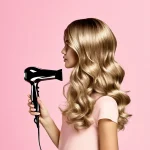
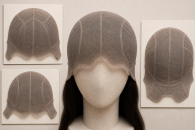
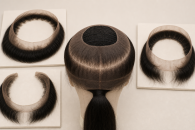
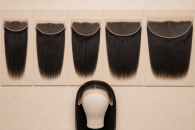
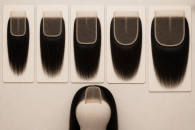
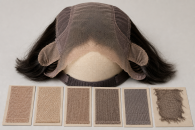
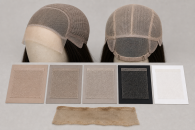
Ask what creates the result: haircut geometry, color placement, extensions, wig construction, natural texture, heat set, finish product, lighting, or editing. A “new haircut” may actually depend on a blowout and strong styling; a “natural texture trend” may use extensions or a set.
Save references that show front, side, back, and ordinary movement. One dramatic close-up is not enough for a cut or color consultation.
Score maintenance before visual appeal
| Maintenance factor | Question | Hidden commitment |
|---|---|---|
| Morning styling | How many minutes and tools create the reference? | Daily heat, product, and sleep disruption. |
| Wash day | Does the shape air-dry or need a set? | Longer drying and section work. |
| Color refresh | How visible are roots and fade? | Toner, direct dye, or salon visits. |
| Cut grow-out | What happens after six to twelve weeks? | Frequent reshaping or awkward layers. |
| Extensions or wig | What installation, cleaning, and storage are required? | Anchor tension, cost, and replacement. |
Match the trend to texture and density
A reference on dense straight hair does not forecast the same silhouette on fine curls, and vice versa. Translate the design goal: volume at crown, blunt perimeter, face framing, defined curl groups, or smooth length. Ask how the cut behaves without the editorial styling.
Use the healthy hair routine guide to check whether the required cleansing, detangling, heat, and tension fit the current routine.
Test reversible versions first
- Try a temporary part or clip placement before cutting bangs.
- Use a noncutting styling set to preview shorter visual volume.
- Test a wig or temporary color under its safety directions before bleach.
- Pin lengths to preview a bob perimeter.
- Use a small extension accent before committing to a full install.
A reversible test should answer proportion and routine questions, not prove that all materials or chemical services will behave the same.
Evaluate trend color by starting history
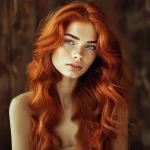
Fashion color depends on natural level, existing artificial dye, gray, bleach, porosity, and hair condition. A copper or ginger reference may require lift, deposit, or both. Review the ginger hair idea guide as inspiration, then reduce the choice to one achievable depth and undertone.
Complete the exact product’s allergy alert test and a representative strand test. Do not stack chemical services to meet a social-media deadline.
Separate cultural context from visual borrowing
Braids, locs, wraps, protective styles, cuts, and adornment can carry cultural, religious, occupational, and historical meaning. Learn the style’s name, origin, technique, and context instead of renaming it as a new influencer trend.
Credit educators and practitioners accurately. Avoid using sacred, ceremonial, or identity-linked elements as disposable costume details. Cultural respect is part of evaluating whether a look fits.
Check tension, heat, and chemical load
List the stressors the trend adds: tight anchors, repeated high heat, bleach, relaxer overlap, adhesive, heavy extensions, or daily backcombing. A style can be visually current and still be a poor match for fragile hair or a symptomatic scalp.
Pain, bumps, headache, broken edges, or scalp sores are not normal signs of a secure trend. Reduce or stop the stressor and seek appropriate care for persistent symptoms.
Plan workplace, school, sport, and safety fit
Consider helmets, uniforms, food service, laboratory rules, machinery, swimming, exercise, and formal settings. Long accessories or loose extensions may create safety conflicts. Bright color and graphic cuts may also have written policy implications.
Verify policies before paying for a difficult-to-reverse service. This is a practical constraint, not a judgment on the style.
Budget the complete lifecycle
Include consultation, initial service, home products, tools, refresh, trims, extension movement, removal, and correction. A low initial price can hide expensive maintenance. Ask what can be done at home and what requires a trained provider.
Do not rely on current promotional prices in an evergreen plan. Obtain a written estimate for the actual hair and service.
Build a reference brief for a stylist
- Select three references with similar texture and density where possible.
- Mark the exact features to keep and reject.
- Provide complete color and chemical history.
- State daily styling time and tool limits.
- Discuss grow-out and the first maintenance appointment.
- Agree on an achievable first-stage result.
A reference brief is more useful than asking for a trend name whose meaning varies between salons.
Review the trend after ordinary wear
Photograph the result after salon styling and after the first home wash. Record time, products, heat, sleep, exercise, and how the shape changes. The second result often reveals whether the trend is sustainable.
Adjust technique before assuming the cut or color failed. Conversely, do not keep adding products to a shape that requires professional restructuring.
Know when to skip the trend
Skip or delay when the hair or scalp is injured, chemical history is unknown, maintenance conflicts with daily life, the reference depends on unacceptable alteration, or the cultural context is not understood. A smaller reversible element can still capture the design direction.
The AAD’s healthy hair tips support gentle handling. The FDA’s hair product information provides label context for styling products.
Separate a reference image from a service request
Bring several views and describe the elements that matter: perimeter, fringe, layer height, color placement, volume, texture, and finish. Also identify what may change. A stylist can then explain which parts come from the cut, chemical service, extensions, lighting, or temporary styling and propose a version that fits the actual starting point.
Hair trend evaluation checklist
- The image is translated into cut, color, texture, tools, and finish.
- Daily styling, wash day, grow-out, and maintenance are realistic.
- A reversible test is used before structural or chemical commitment.
- Cultural origin and context are understood and credited.
- Heat, tension, chemicals, policy, sport, and budget are reviewed.
- Home-wash performance is part of the final evaluation.