20 Medium Hairstyles with Low-Tension Options

Quick answer: The most useful medium hairstyle is one that matches the day’s time, texture, weather, and tension tolerance. The 20 options below range from air-dried and half-up looks to braids, buns, and heat-styled finishes. Choose by method rather than by a promised “transformation.” This editorial collection does not claim every style suits every density, curl pattern, face shape, or hair condition.
Start with the condition of the hair today
Medium hair can describe anything from shoulder length to a long lob, with blunt, layered, curly, coily, wavy, or straight structure. Before styling, check whether the hair is freshly washed, stretched, oily at the roots, fragile at the ends, or already carrying product. A style that requires repeated heat or strong tension is a poor match for hair that is currently breaking or a scalp that feels sore.
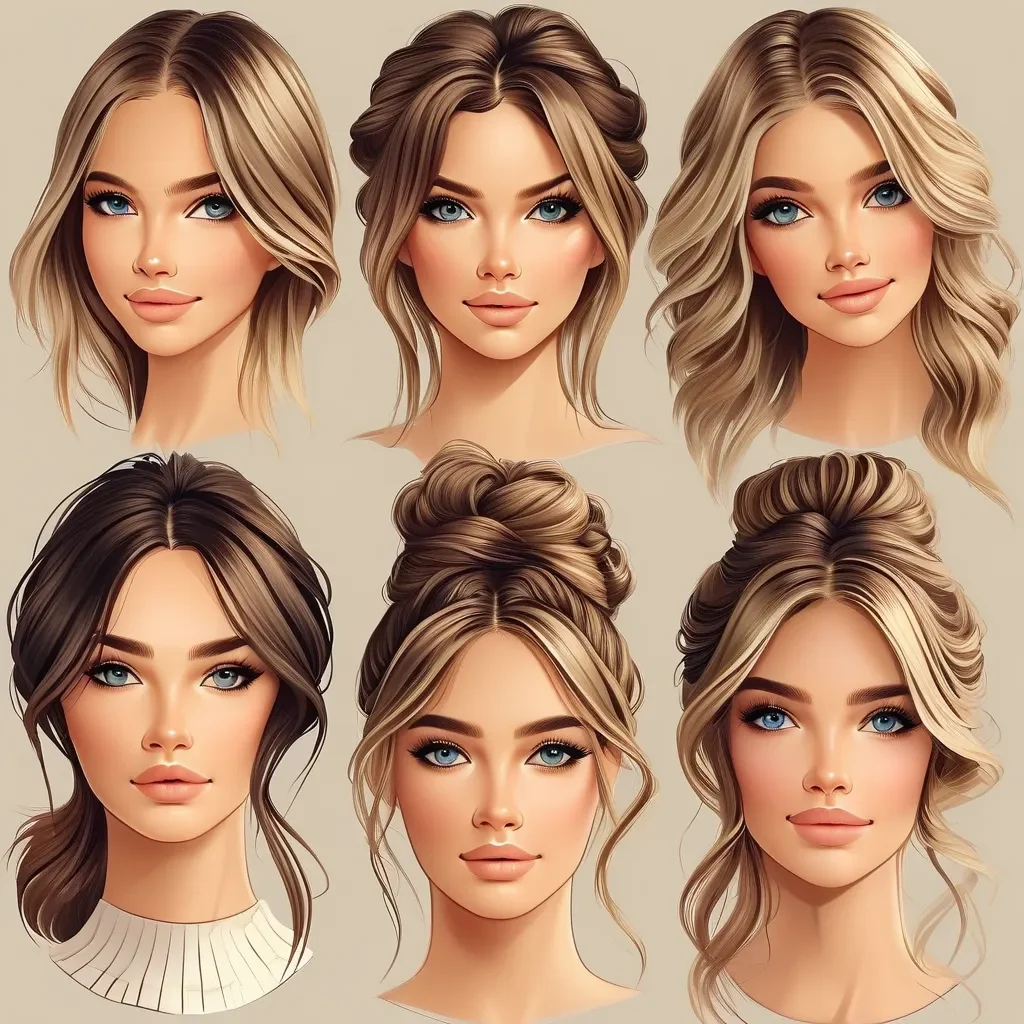
Five air-dried and texture-led styles
- Defined natural texture: Apply a compatible leave-in and hold product in sections, then let the pattern set without repeated touching.
- Loose side part: Move the part, shape the front, and keep the rest of the existing texture intact.
- Clipped-back front: Secure two small front panels with smooth clips while leaving the lengths loose.
- Soft twist-out: Set manageable sections, allow them to dry fully, then separate with minimal friction.
- Headband shape: Use a fabric or smooth band to direct the front without tightening it around the temples.
These options depend more on preparation and product compatibility than on high heat. If a product leaves flakes or stiffness, change the combination rather than adding more layers.
Five half-up styles for medium length
- Half-up ponytail: Gather the crown loosely and leave the lower layers free.
- Half-up bun: Twist the top section into a small bun and secure with pins or a soft elastic.
- Two front twists: Twist each temple section backward and join them at the crown.
- Braided half-up panel: Add one small braid on each side before joining the sections.
- Claw-clip half twist: Rotate the upper half once and secure it vertically with a clip that fits the hair volume.
Half-up styles can reduce hair on the face without concentrating all the weight at one elastic. Keep the gathered section loose enough that eyebrows, temples, and scalp do not feel pulled.
Five braids, twists, and low-tension updos
- Low loose braid: Begin below the nape and secure the end without pulling the hairline.
- Two low braids: Divide the weight and use soft elastics.
- Side French braid: Add small sections along one side and leave the opposite lengths loose.
- Low twist bun: Form a low ponytail, twist lightly, and pin the coil without forcing the ends.
- Flat-twist crown: Create one or two controlled twists at the front and leave the back in its natural pattern.
For more short-layer-friendly ideas, see short-hair braids. Pain, bumps, or a headache are signs to loosen the style, not proof that it will last longer.
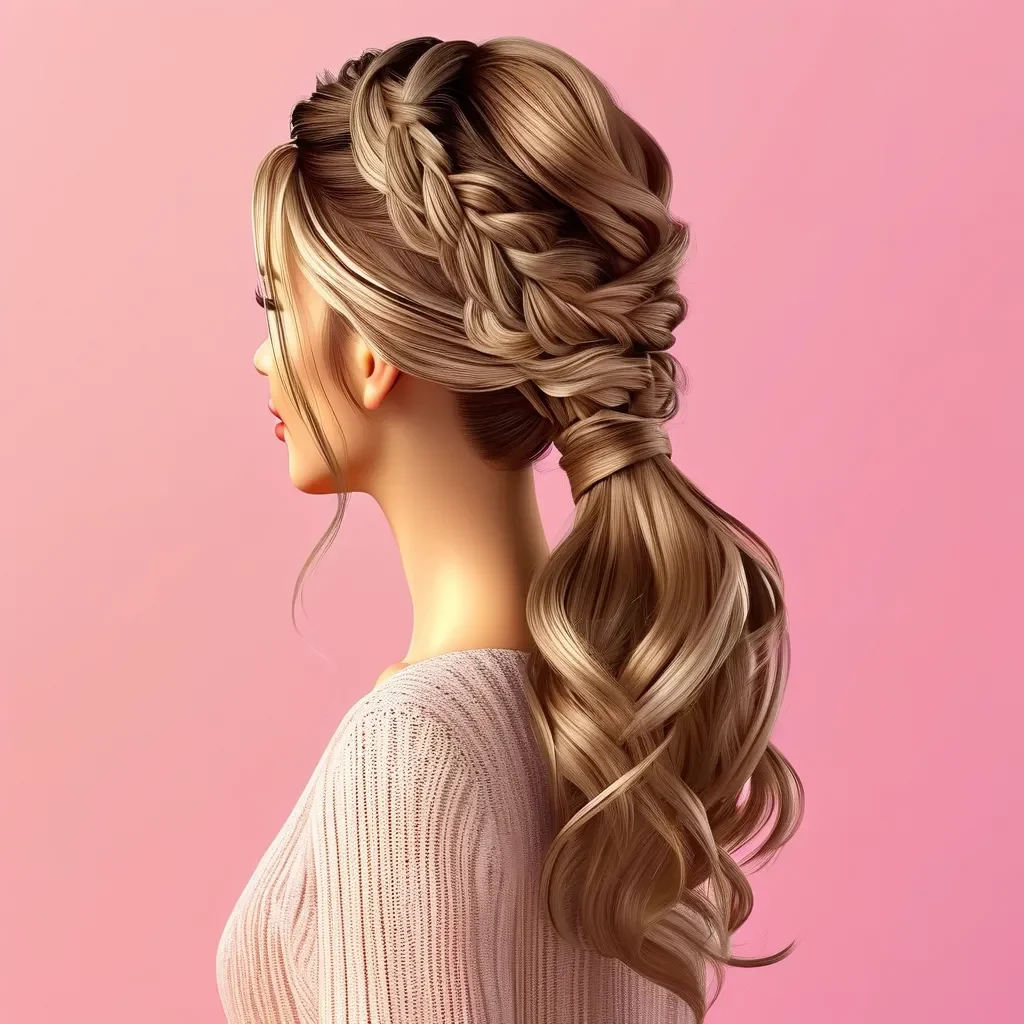
Five polished styles that may use heat
- Round-brush bend: Smooth the lengths and turn the ends under or outward with controlled heat.
- Flat-iron waves: Use large sections and fewer passes rather than repeatedly correcting small pieces.
- Soft roller set: Choose roller size by the desired bend and allow the set to dry before removal.
- Sleek low ponytail: Smooth the surface without tightening the base or coating the scalp with heavy product.
- Polished deep side part: Direct the front with a dryer or wrap method and keep the lengths simple.
Heat protectant may be part of the process, but it does not make unlimited temperature or repeated passes harmless. Use the lowest effective heat and let the hair cool before judging whether another pass is necessary.
Choose a style by time and tools
| Available time | Good starting options | Tools |
|---|---|---|
| Five minutes | Side part, clipped-back front, headband, or half-up clip. | Comb, smooth clips, light finishing product. |
| Ten to fifteen minutes | Half-up bun, two twists, low braid, or loose ponytail. | Elastic, pins, sectioning clips. |
| Twenty to thirty minutes | French braid, flat-twist crown, roller refresh, or twist-out shaping. | Product, comb, clips, dryer only if needed. |
| Event preparation | Heat waves, polished bend, structured updo, or detailed braid. | Heat tool, protectant, pins, mirror, cooling time. |
Adapt the 20 styles to texture and density
Fine hair may need lighter product and smaller clips. Dense hair may need stronger but smooth hardware and more sections. Curly or coily hair can use twists, braids, puffs, and sets without first becoming straight. Straight or wavy hair may need texture support for pins and braids. None of these are rigid rules; they are starting points for reducing slippage, weight, and buildup.
Protect the hairline during repeated styling
The AAD notes that repeatedly tight hairstyles can contribute to traction-related hair loss. Rotate part lines and anchor points, choose covered elastics, and release any style that causes persistent pulling. Edge-control product should not be used to hide pain, bumps, or broken hairs.
When preparing for a formal event, compare these everyday options with a dedicated prom hairstyle plan, including trial time and removal.
Plan the takedown before adding pins
Count pins as they go in and remove them before combing. Unwind braids from the ends upward. Soften dried styling product according to its directions instead of pulling through hardened sections. A style that takes two minutes to create can still cause breakage if it is removed roughly.
For a multi-day plan, alternate loose and anchored looks instead of securing the same section repeatedly. A low twist one day, loose texture the next, and a side braid after that distribute handling across different areas. Clean clips and combs between uses so old product does not transfer back to freshly washed hair.
Medium-style decision checklist
- Does the style work with today’s wash state and texture?
- Can it be built without pain or repeated high heat?
- Are the clips and elastics large enough for the hair volume?
- Will weather, exercise, work, or sleep change the plan?
- Is there enough time for drying and safe removal?
- Can the anchor point be changed from the previous day?
Editorial sources
- American Academy of Dermatology: healthy hair tips
- American Academy of Dermatology: hairstyles and hair-loss risk