Long Hair Styling: Fast, Low-Tension Options

Quick answer: Fast long-hair styling works best with a small set of repeatable shapes such as a low ponytail, loose twist, simple braid, half-up clip, or low bun, adjusted for texture and tension. This independent editorial guide does not claim first-hand testing, does not diagnose or prescribe, and does not promise a particular result.
Choose the shape from time and starting condition
A detangled, dry starting point may support a braid or twist, while damp, curly, layered, or fragile hair may need different preparation. Count actual detangling, sectioning, securing, and cleanup time rather than only the final styling step.
Use low-tension anchors
Select ties, pins, and clips with smooth edges and enough hold for the section. Avoid repeatedly pulling the same hairline area or tightening until the scalp feels sore. A style should not require persistent pain to remain in place.

Add polish without stacking damage
Use a small compatible amount of smoothing or hold product when needed. Heat is optional for many quick styles; if used, follow tool and product directions and avoid repeated passes on stressed lengths.
Practice one repeatable sequence
Break the style into preparation, sectioning, anchor, shape, finish, and removal. Repeating one controlled sequence usually improves speed more reliably than attempting a new complex tutorial during a time limit.
Create a two-minute preparation station
Keep a wide-tooth comb or appropriate detangling tool, two gentle ties, a large clip, and a few pins together. Preparation time often causes more delay than the style itself. Select accessories that do not have sharp seams, exposed springs, or rough edges. The sectioning-clip guide explains how jaw, hinge, and holding force affect control.
Detangle from ends toward the roots
Separate hair into manageable sections and work through the ends before moving upward. Do not drag a small comb through a knot or use a style to conceal severe tangling. Texture, density, curl pattern, extensions, and recent chemical services change the appropriate tool and handling. The AAD healthy-hair guidance supports gentle handling because force and repeated tension can contribute to breakage.
Use the low ponytail as the fastest base
Gather hair at the nape with hands or a soft brush, keeping the hairline comfortable. Wear it as a ponytail, wrap it into a low bun, or split it for a simple braid. A slightly loose anchor is usually easier to remove than multiple tight elastics. If the tie pulls, creates scalp pain, or makes short edge hairs feel stressed, release and reposition it.
Convert one twist into three looks
For a half-up twist, take small side sections, bring them back, and secure with one clip. For a full twist, gather the length, rotate gently, fold it upward, and use a suitable claw clip. For a low knot, twist the ponytail around its base and pin the outer edge. Adjust section size and clip capacity instead of forcing thick hair into a small accessory.
Choose a braid only when detangling is complete
A three-strand braid controls long hair with little equipment, but it is not faster when sections repeatedly snag. Keep hand tension even and stop before the braid pulls at the scalp. The fishtail-braid guide is a slower decorative alternative for practiced users; it should not replace a basic braid when the actual goal is speed.
Manage layers with placement, not more tension
Short layers can fall from a ponytail or twist. Place the main anchor where the layers naturally reach, use one or two pins for specific pieces, or leave a deliberate face-framing section. Loading the hair with tight elastics and many crossed pins can make removal slower. The goal is stable enough for the activity, not an immovable style.
Add finish through one controlled choice
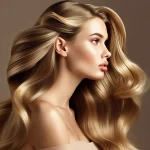
Choose one finishing step: smooth the visible part, define the ends, add a headband, or place a decorative clip. Follow product and heated-tool directions if either is used. Heat is optional and adds setup, cooling, and damage considerations. A quick style should not require repeated high-heat passes merely to reproduce an edited reference image.
Adapt for wet, damp, or dry hair
Hair can stretch and behave differently when wet, and a dense bun may stay damp for a long time. Do not assume a tightly secured wet style is protective. Follow the needs of the texture and intended result, allow drying where appropriate, and avoid sleeping on hard clips or exposed pins. A dry style may provide more predictable hold for a short preparation window.
Rotate anchor positions across the week
Repeated tight placement at the same hairline or crown can concentrate tension. Alternate low, mid, half-up, braid, and loose options and monitor tenderness or broken hairs. The AAD notes that continuously pulling hairstyles can contribute to traction hair loss. Persistent scalp pain, bumps, thinning, or a receding edge needs a looser routine and appropriate professional assessment.
Remove the style in reverse order
Take out pins and clips before pulling the main tie. Support the hair near an anchor, unwind twists, and separate braid sections gently. Do not tear through product buildup or a caught elastic. If a tie must be cut, isolate it from the hair and use adequate light. The removal method is part of the style’s real time and breakage cost.
Practice one sequence outside the deadline
Choose a repeatable order such as detangle, part, gather, anchor, finish, and inspect. Practice when there is no event deadline, then note which accessory size and hand position work. The layered-hair guide offers longer-term shape planning. Speed comes from familiarity and preparation, not a promise that every texture reaches the same look in minutes.
Fast long-hair styling checklist
- Tools are clean, smooth, correctly sized, and stored together.
- Hair is detangled before gathering or braiding.
- The anchor holds without scalp pain or strained edge hairs.
- Only one finishing step is added.
- The style can be removed gently and quickly.
- Placement rotates when the style is worn repeatedly.
Related Beauty Supply Reviews guides
- How To Do A Fishtail Braid
- Perfect Homemade Layered Hair Tutorials
- Professional Beauty Salon Hair Clips Essential Tools
Editorial sources
- https://www.aad.org/public/everyday-care/hair-scalp-care/hair/healthy-hair-tips
- https://www.aad.org/public/diseases/hair-loss/causes/hairstyles