Can You Color a Synthetic Wig? Fiber and Product Limits

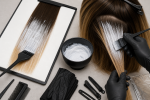
Direct answer: a synthetic wig can be colored only when its exact fiber and manufacturer guidance permit a compatible method. Conventional human-hair dye and lightener generally rely on hair chemistry that synthetic fibers do not share, so they may fail to deposit, rinse away, stain unevenly, damage the fiber, or affect the cap. Start with identity and a hidden test, not a viral recipe.
Identify fiber before choosing any color
Find the label, receipt, manufacturer page, or care card. Record whether the wig is heat-resistant synthetic, standard synthetic, a named polymer fiber, blended fiber, or unknown. A style name or realistic feel does not prove human hair. If identity cannot be verified, assume the color response and heat tolerance are unknown.
Human-hair dye is not a default option
Permanent, demi-permanent, direct, and plant color products are labeled for specific cosmetic uses, not automatically for plastic fibers. The FDA hair-dye guidance explains directions and reaction precautions for hair color but does not establish synthetic-wig compatibility. Do not add developer, bleach, solvent, or heat to force uptake.
Lightening is especially limited
Synthetic fiber cannot be treated as natural pigment that lightener can remove predictably. Bleach can leave the color unchanged while weakening, roughening, melting, or discoloring the fiber and construction materials. Choose a lighter wig as the starting object when a pale result is essential instead of planning to lift a dark synthetic unit.
Surface color has its own limits
A fiber-compatible temporary spray, marker system, artist medium, or manufacturer-approved product may change the surface, but compatibility is product and fiber specific. It can make strands stiff, sticky, dull, flammable, or prone to transfer. Never use household paint, fabric dye, ink, or solvent without explicit fiber and wear-site guidance.
The cap and attachments also matter
Color can stain lace, elastic, thread, combs, clips, polyurethane, adhesive areas, and the wig cap differently from the strands. Protect the hairline and construction under a controlled method. A successful fiber swatch does not prove that the lace or adhesive can tolerate the same liquid, alcohol, heat, or rinse.
Use a hidden component test
Test several strands and a small hidden construction area with the exact product, amount, tool, drying time, rinse, and later wear conditions. Inspect dry color, feel, shine, tangling, shedding, transfer, odor, heat response, and whether the cap changes. A hidden test is sacrificial evidence, not a promise for the whole wig.
Heat resistance is separate from color resistance
A heat-friendly label defines a temperature and tool boundary, not permission to heat-set every pigment. Added product can change how fiber responds to heat. Follow both wig and color-product directions, use the lower applicable limit, and stop for curling, melting, fusing, unusual odor, smoke, or texture change.
Plan ventilation and ignition safety
Aerosol, alcohol-based, or solvent-containing color can carry ventilation, inhalation, and flammability warnings. Work only in the stated environment, away from flames and heat, and allow complete drying before wear or styling. Do not spray the wig while it is worn or direct airborne product toward the face.
Expect transfer and friction
Surface pigment can mark fingers, skin, collars, hats, pillows, furniture, and wig tools, especially with moisture, sweat, or friction. Test transfer on a disposable light cloth after full drying and after a controlled moisture check. Do not promise stain-free wear or assume a clear spray will permanently seal the color.
Use a stable stand and low tension
Secure the wig on a compatible stand without stretching lace or puncturing delicate construction. Detangle under the care directions, divide sections, and apply from a controlled distance or tool. Avoid saturating knots, bands, clips, or adhesive areas. Let each section dry without sticking to neighboring fibers.
Compare replacement with modification
Add the cost of compatible materials, testing time, possible stiffness, transfer controls, and loss risk. A wig already manufactured in the desired color may be more predictable than altering an unknown dark unit. This is a quality decision, not a current-price claim.
Keep scalp and skin exposure separate
Coloring should normally occur off the head. A wig product that is safe for the fiber is not automatically intended for prolonged skin contact. Clean and dry the unit under its directions before wear. The American Academy of Dermatology coloring guidance discusses human-hair chemical-service precautions; it does not prove synthetic-fiber compatibility. Stop for persistent discomfort or a concerning reaction and remove the wig rather than adding another coating.
Human-hair color guides are context, not permission
The wet-hair formula guide and repeat-color guide explain why formula directions and history matter. They do not convert synthetic fiber into human hair. The at-home color guide supports defining limits before starting.
Decision table
| Decision | Option one | Option two |
|---|---|---|
| Identity | Verified synthetic fiber | Unknown or mixed construction |
| Human-hair dye | Use only with explicit compatibility | Do not assume uptake |
| Lightening | Generally not a predictable route | Choose a lighter starting wig |
| Testing | Hidden fiber and cap components | Whole-unit application is not a test |
| Wear | Dryness, transfer, odor, and skin contact | No stain-free promise |
Final checklist
- Fiber, heat rating, cap, lace, attachments, and care directions are identified.
- The color product explicitly fits the fiber and intended use.
- Hidden strand and construction tests pass after drying and moisture exposure.
- Ventilation, ignition, heat, transfer, and wear controls are practical.
- Replacement has been compared with the risk of modifying the unit.
Color a synthetic wig only through a verified fiber-compatible method. Complete the hidden dry and moisture checks before full application. If identity, construction, heat, solvent, transfer, or skin-contact limits are unclear, preserve the wig and choose a manufactured color instead.