Shampoo Bars: Surfactants, Storage, and Wash Technique

Direct answer: choose a shampoo bar by its cleansing system, label directions, scalp and hair condition, and how reliably it can be kept clean and dry between uses. A solid format can reduce bottle handling, but it is not automatically gentler, more natural, lower waste, or suitable for every water condition. Technique and storage matter because rubbing, poor distribution, incomplete rinsing, and a constantly wet bar can change both results and bar life.
Distinguish a syndet bar from traditional soap
A solid cleanser may use synthetic detergent surfactants, soap produced from fats and alkali, or a mixed system. Those formats can behave differently in hard water and on hair, so do not identify chemistry from shape, color, or the word natural. Read the ingredient list and intended use. The FDA hair-products page provides cosmetics oversight context but does not rank solid-cleansing systems.
Use pH claims carefully
A package may state pH-balanced, soap-free, acidic, or alkaline, but a number without a stated test method does not predict the complete wash result. Hair response also depends on surfactants, dose, water, residue, chemical history, and friction. Do not test a bar with household paper and regard that as proof of scalp safety or universal hair compatibility.
Evaluate hardness before use
A very soft bar can dissolve quickly, smear onto a dish, and release an inconsistent dose. An extremely hard bar may need more wetting and hand lathering. Surface cracks, persistent mushiness, unusual odor, color change, or embedded debris are reasons to inspect the product and storage conditions rather than scraping away the top layer and continuing automatically.
Create lather in the hands when direct rubbing adds friction
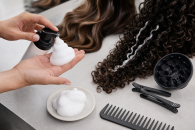
Wet the hair and bar fully, then follow the product’s directions. Hand lathering gives more control over dose and distribution. If direct application is allowed, use light passes and avoid grinding the bar over tangled, fragile, or tightly coiled lengths. The goal is to deliver cleanser to the intended zone, not to maximize contact between a hard edge and hair.
Distribute at the scalp by section
Dense hair can hide unwashed and overwashed patches. Part the hair with fingers, apply lather to several scalp zones, and massage with finger pads instead of nails. Add water before adding more product. The AAD hair-care guidance supports gentle handling and breakage reduction; it does not endorse one bar or washing schedule.
Keep dry-shampoo residue as a separate load
Powder, starch, pigment, oil, and styling film can change how a bar lathers and rinses. A low first lather does not prove that the bar failed. The dry-shampoo residue guide helps control dose and visible cast before buildup requires a stronger reset. The oily-scalp dry-shampoo guide separately covers oil, powder, and scalp-wash boundaries; a solid shampoo format does not change those upstream application decisions.
Rinse by zone, not by elapsed seconds
Move water through roots, the back of the head, hairline, crown, and lengths until cleanser and loosened soil are removed. A solid format can leave residue when too much product is deposited or hard water reacts with the system. Do not use vinegar, baking soda, or another household mixture as an automatic corrective rinse.
Condition according to length needs
A shampoo bar does not eliminate the need for conditioner, nor does a rough after-feel prove that the hair needs oil. Use a compatible conditioner at permitted sites and detangle from ends upward. The long-hair care guide connects low-tension handling to length retention without promising repair.
Drain and dry the bar completely
Store the bar on a clean, stable surface with open drainage and airflow. A solid tray that collects water shortens bar life and can hold residue. Keep it away from direct shower spray. Clean the dish or rack regularly, and let both surfaces dry before returning the bar.
Travel without sealing in moisture
Allow the bar to dry before placing it in a ventilated or properly designed travel container. A closed wet tin can soften the bar and coat the container. Keep the cleanser separate from food, medication, and unlabeled solid products. Preserve the original directions and ingredient information even when carrying a smaller amount.
Review fragrance and reaction boundaries
Solid does not mean fragrance-free or hypoallergenic. Check fragrance, botanical extracts, colorants, and known allergens. The FDA cosmetics-allergen guidance supports ingredient review but cannot predict an individual’s response. Stop for burning, swelling, hives, breathing difficulty, or another concerning reaction.
Measure value by usable washes, not bar size
A larger bar is not necessarily longer-lasting. Track hardness, dose, drainage, breakage, waste left on the dish, and whether the cleanser still performs consistently. Replace a contaminated, degraded, or unidentifiable bar. Do not claim lower environmental impact without product-specific packaging, manufacturing, shipping, and use data.
Decision table
| Decision | Useful evidence | Reconsider when |
|---|---|---|
| Formula | Identified surfactant or soap system | Chemistry is inferred from marketing |
| Technique | Controlled hand lather and scalp sections | Direct rubbing causes friction or missed zones |
| Rinse | All zones feel free of cleanser film | Residue persists despite correct dose |
| Storage | Open drainage and complete drying | The bar remains soft, wet, or contaminated |
Final checklist
- The ingredient list and intended cleansing system are understood.
- Dose and distribution do not depend on aggressive direct rubbing.
- Scalp, roots, lengths, and dry-shampoo residue are handled separately.
- The bar and holder drain, dry, and travel without trapped moisture.
- Reaction, residue, degradation, and replacement limits are clear.
A shampoo bar is a delivery format, not a universal upgrade. Match the cleansing system to the task, use low-friction distribution, rinse thoroughly, and protect the bar with clean drainage and airflow.