Nylon Wig Caps: Selection, Use, Cleaning, and Replacement

Direct answer: choose a nylon wig cap by fine-knit construction, unstretched size, usable stretch range, elastic-edge width, seam placement, shade, hair volume, cleaning directions, and replacement signs. It should contain the prepared hair without painful compression, rolling, slipping, deep marks, or an edge that pulls at the hairline. A thin stocking texture does not prove cooling, secure wig hold, universal skin tolerance, or protection from traction.
Confirm that the cap is fine-knit nylon
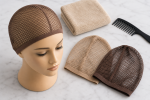
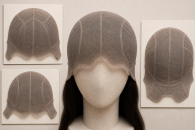
Fine nylon caps use a close, stocking-like knit rather than the large visible openings of an open mesh cap or the thicker panels of a wig-making dome cap. Record fiber disclosure, knit density, number of layers, seam direction, elastic edge, size range, and whether the item is intended as an under-wig liner. Similar color or shape does not make those cap types interchangeable.
Measure the cap before relying on stretch
Compare the unstretched opening and body depth with the prepared head circumference, front-to-nape coverage, ear clearance, and hair volume. Stretch should distribute around the cap rather than concentrating at the edge. A cap that only reaches its position when pulled to its limit is more likely to roll, shear against hair, distort the seam, or leave pressure marks.
Prepare hair without a pressure ridge
Use a clean, dry, low-profile arrangement that spreads bulk across the head. Avoid one hard bun, bulky pin cluster, tight braid ridge, or repeated tension at the temples and nape. The cap is a liner, not a tool for compressing painful hair preparation. Change the underlying arrangement when the silhouette depends on force.
Place the seam and elastic deliberately
Follow the product orientation when one is specified. Keep the edge near the intended cap line without covering the eyes, folding over the ears, or sitting on irritated skin. Smooth the body with open hands rather than dragging the elastic repeatedly across edges. Tuck loose hair without scraping the scalp or twisting the cap into a tourniquet-like band.
Use color as a visibility decision
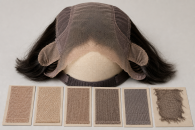
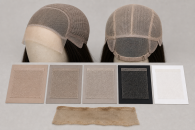
Compare cap shade under the actual wig and lace in neutral indoor light and indirect daylight. Dark, brown, tan, and beige caps can change how a part or lace area reads, but shade alone cannot make construction disappear. Do not add dye, makeup, spray, bleach, or adhesive unless every material and product direction permits it.
Keep pins, clips, and combs from cutting the knit
Map wig combs, clips, adjustable straps, and other attachment parts before placement. A fine knit can snag, ladder, or tear when a tooth or sharp edge catches it. Do not use extra pins through the cap simply to correct a poor wig fit. Any attachment must remain within its own directions and away from painful scalp pressure.
Run a short wear check
Check the forehead, temples, above and behind the ears, crown, and nape after ordinary head movement. Useful evidence is contained hair, stable edges, no rolling, and no concentrated discomfort. Stop for burning, itching, swelling, headache, numbness, bumps, increasing tenderness, or an edge that leaves persistent marks.
Remove without pulling the hairline
Release the wig attachment first. Lift the nylon cap from the nape and roll or ease it forward using the stated method, supporting hair instead of snapping the elastic or dragging it over edges. Free caught strands before continuing. Do not rip a snagged cap off or use a sharp tool near the scalp.
Wash only by the cap directions
Separate reusable from single-use products. For a washable cap, remove loose hair, use the stated water temperature and compatible cleanser, move the material gently, rinse completely, and avoid wringing or aggressive stretching. Washing cannot restore a run, split seam, weakened elastic, permanent odor, or material change.
Dry without stretching the edge
Blot by the stated method and lay the cap in its natural shape on a clean dry surface with airflow. Do not hang it from one point, stretch it over an oversized form, use unapproved heat, or store it damp. Confirm that the seam, elastic fold, and doubled areas are fully dry before reuse or enclosed storage.
Set a replacement point
Replace the cap for runs, holes, thinning, roughness, split seams, loose threads, stretched or hardened elastic, persistent rolling, staining, odor, residue, trapped moisture, painful fit, or a shape that no longer recovers. Doubling a failed cap can add pressure without restoring predictable containment.
Connect nylon-cap use to gentle hair handling
The AAD weave and extension precautions support keeping the scalp and hair clean and avoiding damaging tension; they do not rank nylon caps. The AAD tight-hairstyle guidance explains why pain and repeated pulling deserve attention rather than tighter containment. The FDA hair-products overview is relevant when a cleanser, styling product, or cosmetic contacts the cap, but it does not establish cap durability or skin tolerance.
Keep product-selection decisions outside this liner page
The hair extensions selection guide addresses fiber and attachment questions that a nylon liner cannot answer. The hair extensions type guide separates extension formats from under-wig caps. The hair crown extensions guide covers shade, length, placement, and upkeep as independent decisions.
Limit what the nylon-cap check can establish
This is an inspection and routine-fit guide. It does not promise cooling, invisible parting, fixed wear time, irritation-free contact, traction prevention, or a certain cosmetic result. Record actual pressure, rolling, snagging, cleaning, drying, and recovery instead of assigning performance from a thin material alone.
Decision table
| Check | Useful evidence | Stop or revise when |
|---|---|---|
| Knit | Close fine nylon loops are intact | Runs, holes, thinning, or rough fibers |
| Fit | Hair is contained without concentrated edge pressure | Rolling, slipping, deep marks, or headache |
| Attachments | Combs and clips do not snag or load the cap | Tears, catches, or painful contact |
| Cleaning | The permitted wash releases residue and dries fully | Odor, staining, dampness, or distortion remains |
| Replacement | Elastic and seam recover to their original shape | The opening stays stretched or the seam splits |
Final checklist
- The cap is verified as close-knit nylon rather than open mesh or thick dome fabric.
- Its relaxed dimensions and elastic edge fit the prepared hair without maximum stretch.
- Seam, shade, and wig hardware are checked for visibility, snagging, and pressure.
- Removal releases caught strands before the elastic moves across the hairline.
- Permitted washing leaves the fine knit, seam, and edge clean, dry, and recovered.
A nylon wig cap is a fine-knit, size, edge-pressure, hair-containment, cleaning, and replacement decision. Keep it only while the cap remains comfortable, intact, washable as directed, and able to recover its shape.