Scalp Protector for Wig Adhesive: Selection, Use, Cleaning, and Replacement

Direct answer: Choose a scalp-protector product for wig adhesive only when its current directions name the intended contact area, compatible adhesive system, preparation, dose, layer sequence, drying endpoint, removal method, and storage limits. A protector is not adhesive and does not establish that a person can tolerate the adhesive placed over it. Do not use it over broken, inflamed, recently irritated, or otherwise concerning skin. Apply only as directed, let it reach the stated dry state, and stop for burning, swelling, blistering, persistent itching, or another unexpected response. Discard unknown, expired, leaking, contaminated, clogged, or visibly altered stock.
Verify the barrier product and full system directions
Record product identity, formula or ingredients, warnings, intended contact area, compatible adhesive and remover, preparation, dose, layer count, drying endpoint, prohibited combinations, cleanup, storage, expiration, single-use status, dispenser condition, and any external residue.
Define the protector's role without extending its claims
A scalp-protector product is a disclosed pre-adhesive layer or preparation used in a named attachment system. It is not a substitute for cleansing, correct cap fit, adhesive directions, or removal. Do not describe it as preventing allergy, irritation, sweat, damage, infection, or traction unless current authoritative evidence directly supports that exact claim.
Check formula, warnings, and contact zone
Record ingredients or formula information, flammability or ventilation statements, eye and hair exclusions, skin warnings, and any required professional use language. A pump, dabber, ampoule, or nozzle does not identify chemistry. Keep the product within the stated contact zone and outside broken or concerning skin.
Confirm compatibility with adhesive and remover
Use only a pairing explicitly supported by current directions from the protector and attachment products. Verify sequence, layer count, drying endpoint, reapplication, and removal. Do not assume that products sold for wigs share a compatible solvent system, or that adding a barrier makes an otherwise excluded adhesive appropriate.
Inspect sealed stock and dispensing parts
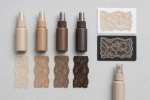
Check container body, pump, nozzle, dabber, cap, threads, single-use packet, lot record, and storage history. Reject cracks, leaks, swelling, broken seals, clogged openings, dried residue, contamination, or mixed applicators. Do not pierce a blocked nozzle or combine partial containers to recover product.
Prepare the area by the stated routine
Follow cleansing, drying, hair-control, and product-exclusion directions without adding oils, powders, fragrance, or an unlisted wipe. Use required ventilation and protect eyes. Preparation should create the specified surface, not an aggressively scrubbed or repeatedly stripped area. Stop if preparation itself causes unexpected discomfort or visible change.
Use a fresh applicator and controlled dose
Dispense only the named amount onto a permitted single-use applicator or by the designed no-contact mechanism. Keep the container tip from touching skin, hair, lace, or used tools. Cover only the described width. Extra layers can change drying and removal and should not be used to compensate for a poor cap or lace fit.
Reach the protector's dry endpoint before adhesive
Follow the specified interval and observable endpoint without accelerating it with unlisted heat, airflow, powder, or rubbing. Keep hair and lace away while the layer sets. If the surface remains uneven, wet, tacky outside expectations, or contaminated, stop and follow the correction directions rather than placing adhesive over it.
Apply the separate adhesive under its own rules
Once the protector step is complete, return to the adhesive's quantity, layers, setting, contact, and removal directions. Do not blend products in one container or brush. The protector does not authorize more adhesive, longer wear, use on excluded skin, or continued attachment despite warning signs.
Monitor the complete contact system
Observe lace position, edge tension, residue, odor, moisture, and the contact area throughout wear. Remove the system or seek appropriate guidance for burning, swelling, blistering, persistent itching, increasing tenderness, or another unexpected change. Do not conceal signals under additional protector, adhesive, tape, cosmetics, or a wider band.
Remove both layers by the documented sequence
Use the compatible remover and order specified for lace, adhesive film, and protector residue. Work in small visible sections and wait for release before lifting. Do not scrape, peel against resistance, or substitute an unlisted solvent. Clean each surface by its own directions and verify that no residue remains hidden at the lace edge.
Store and dispose by product format
Close multidose stock promptly and store within stated temperature, light, and ventilation limits. Discard single-use packets after opening. Retire a container for expiry, unknown identity, damaged seal, failed pump, cracked cap, leakage, contamination, persistent blockage, unexpected separation, altered odor or texture, or unreliable dosing.
Decision table
| Checkpoint | Continue when | Stop or replace when |
|---|---|---|
| Role | Product is identified as a compatible pre-adhesive step | Used as glue, allergy prevention, or substitute for fit |
| Formula | Warnings, contact zone, dose, and drying endpoint are known | Unknown chemistry, excluded surface, or improvised layer |
| System | Protector, adhesive, and remover directions agree | Unverified combination, mixed products, or conflicting sequence |
| Contact | Area remains observable and unexpected signals are absent | Burning, swelling, blistering, persistent itch, or increasing tenderness |
| Stock | Sealed or closed product dispenses predictably | Expiry, leak, clog, contamination, broken seal, or altered material |
A protector name does not prove a health outcome
AAD guidance can inform the broader tension and hairline review, but it does not approve barrier chemistry or an adhesive combination. FDA hair-product information provides cosmetic context and does not validate a specific protector. Current product directions remain essential.
- FDA hair-products context: Keep product identity and cosmetic claims tied to current disclosure.
- AAD traction guidance: A barrier layer cannot correct painful pulling from cap or attachment fit.
- AAD extension precautions: Evaluate cleanliness and tension across the complete wig system.
Resolve extension and cap decisions before adding a barrier step
These related pages address the hair system, not protector formula or contact limits. A barrier product cannot choose fiber, shade, or cap fit.
- hair crown extensions guide: separates placement from contact-product choice
- hair extension type guide: keeps attachment format outside barrier chemistry
- hair extension selection guide: routes hair-system questions before product layering
Final checklist
- Formula, warnings, contact area, compatible adhesive, and remover are documented.
- The dispenser or packet remains sealed, clean, identifiable, and within date.
- A controlled dose reaches its stated dry endpoint before adhesive is used.
- The protector is never presented as proof of skin tolerance or a fit correction.
- Single-use, expired, leaking, clogged, contaminated, or altered stock is discarded.
Keep barrier language within product directions
Completing a protector step as directed does not establish allergy prevention, irritation-free contact, scalp protection, sweat control, longer adhesion, hair protection, or suitability for a particular person.
A scalp protector is a formula, compatibility, dose, drying, observation, removal, and disposal decision. It remains a separate step and never replaces the adhesive or the fit assessment.