Wig Knot Concealer: Selection, Use, Cleaning, and Replacement

Direct answer: Choose wig knot concealer by matching its disclosed cream, stick, pot, or sponge-tip format; shade and undertone; opacity; intended lace face; drying or setting directions; and cleanup method to a small off-head knot sample. Use the minimum controlled amount on the specified underside so mesh openings, knots, and nearby hair remain observable. Let it reach the stated finish, then check transfer against clean material and view the sample on contrasting backings. Concealer adds opaque color; it is not knot sealer, adhesive, or evidence that knots are structurally protected. Replace dried, cracked, contaminated, transferred, unlabeled, or unpredictably dispensing stock.
Map knot visibility before adding opaque color
Photograph untreated dry lace from both sides over pale, dark, and neutral backings. Record concealer identity, format, shade, undertone, formula, warnings, intended lace face, applicator, amount, drying or setting step, transfer check, removal, storage, lot, open-life, and the exact test zone.
Define the task as optical coverage
Knot concealer changes visible contrast around ventilated knots with an opaque or semi-opaque cosmetic deposit. It does not tighten a knot, create a clear protective film, attach lace, bleach hair, or establish durability. Identify the product's intended side and excluded materials. If the directions describe scalp or skin cosmetics rather than wig lace, do not reclassify the product by appearance alone.
Choose format by dose control
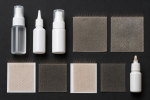
A cream pot allows a separate applicator, a stick places a solid deposit, and a sponge-tip tube meters product through its own reservoir. Compare how each format reaches a small underside zone without pressing hair through the mesh. Do not share applicators, double-dip a used tool, use a broken stick, or squeeze a tube until excess product floods knots and openings.
Separate undertone from opacity
Compare dry shades on a neutral card before they touch lace. Undertone concerns warm, cool, olive, red, yellow, or neutral direction; opacity concerns how strongly the product covers contrast. A deeper shade is not simply a more opaque shade. Select the smallest plausible range and test separately. Do not mix unlabeled portions or use a heavy layer to compensate for an incorrect undertone.
Inspect the knot field under magnification
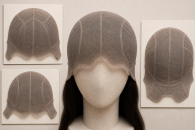
Identify knot size, spacing, hair color, mesh color, seams, repaired areas, tint, adhesive residue, and fragile edges. Mark a representative test zone away from the visible front and structural seams when the directions permit. Existing color or residue can distort the test. Never scrape, pull, trim, or loosen knots to create a smoother surface for concealer.
Place product on the stated lace face
Support dry lace flat and use the named applicator with light controlled contact. Work around, not through, mesh openings and keep deposit away from free hair unless the label permits it. Count passes or measured portions. Stop for clumps, dragged hair, distorted mesh, or color moving beyond the boundary. More pressure does not make a concealer shade more accurate.
Set and inspect without borrowing makeup rules
Follow the product-specific dry or set interval and any compatible finishing step. Do not add face powder, heat, hairspray, adhesive, or a knot sealer unless the full directions support that system. Examine the dry sample from the top and underside. Look for speckling, rings, blocked ventilation, cracking, chalkiness, uneven opacity, and a knot field that appears painted rather than softly reduced in contrast.
Run a clean transfer check
After the complete stated interval, press or place the approved clean reference material by the prescribed method. Record any color transfer without rubbing aggressively. Also flex the lace gently within its normal movement range and inspect for flaking. A no-transfer observation in one test does not prove waterproof wear, skin compatibility, or permanence; it only records the tested product, layer, material, and conditions.
Clean by concealer and lace limits
Use the named remover or compatible cleanser and support the mesh while color releases. Keep separate records for the lace, knots, hair, cap fabric, and applicator. Avoid scrubbing, sharp edges, unlisted solvents, and repeated soaking. After full drying, inspect remaining stain, stiffness, knot movement, mesh shape, and residue before deciding whether another application is appropriate.
Protect stock from applicator contamination
Close pots and sticks promptly, retract only as directed, and keep sponge tips from touching lace, hair, skin, or work surfaces. Store within the stated heat, light, and humidity limits. Discard for unknown identity, expiry, cracked pot, dry rim, broken stick, hardened sponge, leaking tube, odor change, separation, foreign material, or shade transfer into the container.
Replace the method when visibility is a construction issue
Do not keep adding concealer when large knots, sparse ventilation, torn lace, exposed seams, accumulated adhesive, or a mismatched base is the real cause of contrast. Reassess the wig construction, tint history, lighting, and cap fit. Cosmetic coverage cannot repair a structural defect, missing hair, widening hole, loosened knot, or contaminated lace edge.
Decision table
| Checkpoint | Continue when | Stop or replace when |
|---|---|---|
| Format | Applicator delivers a clean small known amount | Broken stick, dry sponge, contamination, leak, or uncontrolled dose |
| Shade | Undertone and opacity are judged separately on a dry test | Heavy layer compensates for wrong color or bottle-only choice |
| Knot field | Mesh openings and hair remain observable | Clumps, blocked ventilation, dragged hair, or distorted lace |
| Finish | Dry deposit is even and passes the stated transfer check | Cracking, flaking, chalk, rings, or color transfer |
| Cleanup | Compatible removal preserves knot and mesh condition | Scraping, solvent substitution, stain buildup, or stiffness |
Keep concealer observations within cosmetic boundaries
FDA hair-product context does not approve a particular knot cosmetic or shade. AAD sources concern tension and hair-system care, not optical knot coverage. The disclosed concealer directions, dry transfer check, and lace condition provide the relevant evidence.
- FDA hair-products overview: Limit cosmetic claims to the disclosed product and recorded use.
- AAD extension precautions: Keep construction and wear decisions separate from optical coverage.
- AAD traction guidance: Concealer cannot correct a pulling cap or attachment system.
Route hair-system decisions before knot cosmetics
Extension guides can clarify fiber, attachment, and coverage. They cannot select concealer undertone, opacity, applicator, or transfer limits.
- hair extension type guide: separates attachment construction from knot coverage
- hair crown extension guide: keeps shade planning outside concealer opacity
- hair extension selection guide: routes fiber questions before lace cosmetics
Final checklist
- Format, shade, undertone, opacity, intended lace face, and removal are known.
- A dry untreated knot field and contrasting backings are retained.
- The controlled layer leaves mesh openings and hair observable.
- Dry finish, transfer, flex, and cleanup are documented independently.
- Cracked, dried, contaminated, leaking, expired, or altered stock is discarded.
Optical coverage is not structural knot protection
A concealer can reduce recorded contrast in one dry sample. It does not seal knots, prevent shedding, strengthen lace, guarantee an undetectable finish, match skin universally, or establish irritation-free contact.
Wig knot concealer is a format, undertone, opacity, underside-placement, transfer, cleanup, and container-condition decision. Stop when coverage begins to hide material failure instead of clarifying appearance.