Human-Hair Wig Shampoo: Selection, Use, Cleaning, and Replacement

Direct answer: Choose shampoo for a human-hair wig by matching the cleanser directions to the wig's verified hair disclosure, chemical processing, color, coatings, lace or weft base, knots, adhesives, elastic, and hardware. Detangle the dry wig in supported sections, use the stated dose and water temperature, direct water from base toward ends when permitted, and avoid piling, rubbing, or twisting the hair. Condition only where the wig instructions allow it, because heavy product at knots or bonds can change the base. A wig does not receive scalp oil along the shaft like attached growing hair. Dry the cap and hair completely before storage, and retire altered cleanser or a wig with unrepairable base, knot, bond, elastic, or hair failure.
Document processed hair and base construction as one washable object
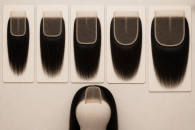
Record whether the wig is disclosed as human hair or a blend, along with coloring, lightening, texturing, coating, cuticle statements, density, lace, knots, wefts, adhesives, elastic, and hardware. Pair that record with the cleanser ingredients, warnings, dose, water temperature, wash motion, conditioner limits, drying, styling, lot, open-life, and baseline photographs.
Verify human-hair disclosure and processing history
Record whether the product is human hair, a human-hair blend, Remy or another disclosed alignment, virgin, colored, lightened, permed, coated, or otherwise processed. These terms are not interchangeable and do not guarantee identical cuticle condition. Do not infer origin or quality from price, feel, flame tests, or appearance. Missing processing information narrows the supported cleanser and heat choices.
Inspect the base before focusing on the strands
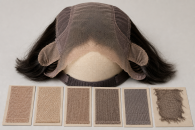
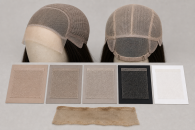
Turn the dry wig inside out and examine lace, knots, wefts, polyurethane areas, bonding, elastic, straps, clips, combs, seams, and repairs. Record shedding at the base, widening holes, loose tracks, hard adhesive, corrosion, and cap distortion. Human hair can remain attractive while its supporting construction is failing; shampoo cannot repair a torn lace front or loosened weft.
Choose cleanser for processed detached hair
Compare shampoo directions with the wig's color, lightening, texture service, coatings, and base materials. Look for explicit compatibility rather than relying on slogans such as moisturizing, clarifying, sulfate-free, or color-safe. A cleanser suitable for attached hair may be too heavy, too stripping, or incompatible with wig bonds. Avoid scalp-treatment claims because the product is being used on a removable hair system.
Detangle dry hair in supported sections
Place the wig on a stable support or hold the cap according to its directions. Divide lengths into manageable sections and start at the ends, moving upward while supporting above the working point. Protect lace, knots, wefts, and bonds from pulling. Record mats, split ends, breakage, shed strands, and tangles at the nape. Do not brush aggressively from root to end or cut a mat without a supported repair plan.
Use water flow that preserves alignment
Follow the specified water temperature and orientation. When permitted, direct water from the base down the lengths so strands remain aligned rather than floating into a pile. Keep high pressure away from lace and knots. Do not soak, swish, or immerse unless the wig directions name that method. Support the increasing wet weight and prevent hardware from dragging across hair or striking the sink.
Distribute a measured shampoo without bunching
Emulsify or dilute the stated amount if required, then move it down supported sections by the named technique. Keep nails, rings, and rough surfaces away. Do not scrub the cap like a scalp, rub lengths together, twist, or heap the wig on itself. Address approved residue zones with controlled repeated water or product according to directions rather than escalating to an unlisted clarifying wash.
Rinse through hair and construction
Maintain strand direction while water carries cleanser away. Inspect under the nape, along dense wefts, around knots, elastic channels, bond areas, and hardware bases. Avoid wringing and do not judge completion only by foam. Product can remain in hidden cap layers after lengths feel clean. Continue only within the supported rinse route and stop for unexpected color release, tackiness, bond change, or base movement.
Condition away from restricted base areas
Use conditioner only when the hair and wig instructions agree on formula, amount, placement, time, and rinse. Many systems limit heavy conditioner near knots, lace, weft bonds, tape, or adhesive because slip and residue can affect construction. Apply through permitted mid-lengths and ends with support. A rich mask is not automatically better for processed wig hair and does not restore removed cuticle.
Dry cap and strands without hiding wet weight
Blot by pressing with the permitted towel; do not twist. Arrange the cap on a clean stable ventilated support and place strands in their intended direction. Follow air-dry or tool limits exactly. If low heat is allowed, verify temperature and distance rather than using a habitual setting. Check lace folds, knots, weft rows, elastic, nape, and dense hair before storage.
Judge condition after complete dry-down
Compare luster, movement, tangling, ends, color, texture, shedding, knot security, wefts, cap shape, elastic, and hardware with the baseline. Temporary wet smoothness is not evidence of repair. Identify buildup, roughness, excessive slip, color shift, brittle ends, bond softening, or increased shedding. Use only a supported repair route; repeated washing is not a neutral test.
Retire product and wig by separate evidence
Discard shampoo for unknown identity, expiry, contamination, leak, broken closure, separation outside directions, changed odor, or unreliable dose. Retire or obtain appropriate repair for torn lace, loose tracks, failing knots or bonds, permanent base distortion, failed elastic, corroded hardware, persistent odor after complete drying, severe tangling, or hair loss that exposes construction.
Decision table
| Checkpoint | Continue when | Stop or replace when |
|---|---|---|
| Hair record | Human-hair status, processing, color, and coatings are known | Unknown blend, inferred origin, or unsupported quality claim |
| Base | Lace, knots, wefts, bonds, elastic, and hardware are stable | Tear, loose track, failed bond, corrosion, or distorted cap |
| Cleanser | Directions match processed hair and every base material | Scalp-treatment assumption, conflicting label, or harsh improvisation |
| Wash | Supported sections remain aligned from base toward ends | Piling, rubbing, twisting, high pressure, or unapproved soak |
| Dry result | Hair and all cap layers are dry and near baseline | Buildup, bond change, shedding, damp base, or permanent distortion |
Apply hair-product context to a removable processed system
FDA information supports reading shampoo and cosmetic directions but does not establish compatibility with a particular processed wig or base. AAD guidance addresses tension and extension care around attached hair. The wig disclosure, cleanser label, and observed base condition remain decisive.
- FDA hair-products overview: Use shampoo under its disclosed cosmetic directions and warnings.
- AAD extension precautions: Keep the worn system clean and avoid damaging attachment tension.
- AAD traction guidance: A wash routine cannot correct painful pulling or an unstable cap.
Resolve hair origin, processing, and format before cleanser
The related extension pages support broader hair-system selection. They do not determine shampoo compatibility with a processed wig and its base.
- hair extension type guide: separates format and attachment from cleanser choice
- hair extension selection guide: routes hair disclosure before wash planning
- hair crown extension guide: keeps shade and placement outside base cleaning
Final checklist
- Hair origin disclosure, processing, color, coating, and base materials are recorded.
- The shampoo label matches both detached hair and cap construction.
- Dry detangling, water flow, dose, washing, and rinsing preserve alignment.
- Conditioner stays within the permitted lengths and away from restricted bonds.
- Hair, lace, wefts, knots, elastic, and hardware dry fully before reassessment.
A wash cycle does not restore biological or structural properties
A clean human-hair wig after one recorded wash does not prove restored cuticle, permanent softness, scalp benefit, color permanence, bond protection, reduced shedding, or compatibility with another processed wig.
Human-hair wig shampoo is a processing-history, cleanser, base-construction, strand-alignment, conditioning-boundary, full-dry, and replacement decision. Handle the wig as a removable engineered hair system, not as attached scalp hair.