Wig Conditioner: Selection, Use, Cleaning, and Replacement

Direct answer: Choose wig conditioner only when its current directions match the wig's verified synthetic, human-hair, or blended fiber and every contacted base material. Separate rinse-out, leave-in, spray, cream, and mask formats. Measure the stated amount, keep product away from lace, knots, weft bonds, adhesive, elastic, and hardware when required, and follow the exact contact time and rinse or leave-in route. Evaluate the fully dry wig for slip, residue, weight, curl change, transfer, tangling, and base buildup. Retire conditioner that is unknown, expired, contaminated, leaking, separated outside directions, changed in odor or texture, or no longer dispenses a repeatable amount.
Pair the conditioner label with the wig material map
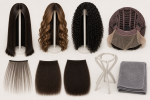
Record conditioner identity, ingredients, warnings, rinse-out or leave-in format, compatible synthetic or human-hair material, dose, dilution, placement, contact time, rinse, drying, storage, lot, open-life, and container condition. Map lace, knots, wefts, bonds, coatings, elastic, and hardware before deciding which lengths can receive product.
Classify the conditioner format before use
Determine whether the product is rinse-out cream, leave-in lotion, spray conditioner, concentrated mask, synthetic-fiber conditioner, human-hair conditioner, or another disclosed format. These categories use different doses, placement, and removal routes. Do not convert a rinse-out product into leave-in care, dilute a concentrate without directions, or assume that a pump, tube, or jar identifies compatible fiber.
Verify fiber and processing compatibility
Match the label with the wig's exact synthetic fiber, heat-compatible synthetic, human hair, blend, coloring, lightening, texturing, coating, and previous service history. A product suitable for attached human hair may be too heavy for a wig base, while a synthetic spray may not suit processed human hair. Missing disclosure narrows the supported decision rather than inviting a feel-based experiment.
Draw placement boundaries around the base
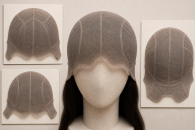
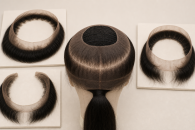
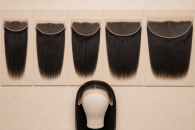
Turn the wig inside out and mark lace, ventilated knots, weft roots, hand-tied sections, polyurethane, bonding, tape areas, elastic, seams, clips, and combs. Product that improves slip on lengths can loosen residue at a bond, collect around knots, or remain inside dense cap layers. Follow the narrowest applicable exclusion. Do not coat the base merely because the conditioner feels light.
Inspect container and stock condition
Check cap, pump, tube seam, jar rim, inner seal, threads, body, lot, and storage history. Look for leaks, cracks, dry crust, swollen packaging, corrosion, foreign material, unexpected separation, or product transferred from another applicator. Use a clean no-contact dose route. Do not add water to a jar, combine partial containers, or return used product to stock.
Measure dose and contact time
Use the stated amount for the wig length, density, or water volume. Apply in supported sections so the first area does not receive a longer interval by accident. Start at permitted mid-lengths or ends and keep the cap observable. More product does not establish more softness and can increase rinse load, drying time, weight, transfer, and residue.
Follow the correct rinse-out route
For rinse-out conditioner, use the specified water temperature, contact interval, strand direction, and rinse endpoint. Support the cap and guide water down the lengths when permitted. Do not rub, twist, pile, or squeeze product through lace. Inspect nape, dense wefts, curls, and interior panels for retained material before moving to drying.
Control leave-in placement separately
For a leave-in format, verify whether it is placed on damp or dry fiber, the distance or dose, and any excluded zones. Apply the smallest documented amount in visible sections. Keep mist or lotion from floors, eyes, skin, and surrounding products. Do not use a leave-in as a detangling shortcut over a compact mat or as a substitute for washing accumulated residue.
Judge the fully dry result, not wet slip
Wet conditioner can make strands feel smooth while hiding excess product. After complete drying, compare movement, luster, texture memory, curl definition, static, tangling, transfer, odor, cap weight, and residue with the baseline. Synthetic filament can become coated or lose pattern; processed human hair can feel heavy or uneven. Record the result without claiming structural repair.
Remove buildup through supported care
If the wig becomes dull, tacky, heavy, strongly scented, or prone to collecting lint, follow the wig's compatible cleansing route. Do not escalate immediately to harsh clarifying products, hot water, solvent, repeated washing, or scraping. Reassess dose, placement, frequency, and product compatibility. Persistent buildup around knots, bonds, or wefts can require an appropriate repair decision.
Separate conditioner retirement from wig retirement
Discard conditioner for unknown identity, expiry, contamination, leak, damaged closure, altered odor, unexpected texture, unresolved separation, or unreliable dosing. Set aside the wig separately for torn lace, loosened knots or wefts, failed bonds, fused synthetic fiber, severe matting, permanent coating, persistent residue, odor after complete drying, or base distortion.
Decision table
| Checkpoint | Continue when | Stop or replace when |
|---|---|---|
| Format | Rinse-out, leave-in, spray, cream, or mask route is explicit | Format is guessed from package or converted without directions |
| Compatibility | Fiber, processing, coating, and base materials agree | Unknown blend, conflicting label, or base exclusion |
| Placement | Measured product stays on permitted lengths | Lace, knots, bonds, elastic, hardware, or floor receive product |
| Dry result | Movement and texture remain near baseline without transfer | Weight, tack, dullness, odor, pattern change, or buildup |
| Stock | Container closes and dispenses a clean repeatable dose | Leak, crack, contamination, expiry, separation, or altered texture |
Keep conditioner claims within cosmetic and material evidence
FDA information provides general hair-product context but does not approve a conditioner for a particular wig fiber or base. AAD guidance concerns the worn system and tension, not softness or repair. Product directions and the dry wig record define compatibility.
- FDA hair-products overview: Use the conditioner under its actual cosmetic disclosure and warnings.
- AAD extension precautions: Maintain the complete hair system without relying on damaging tension.
- AAD traction guidance: Conditioner cannot correct a cap or attachment that pulls painfully.
Resolve fiber and attachment before conditioning
The related guides address extension fiber, format, and placement. They do not set conditioner dose, base exclusions, rinse route, or buildup limits.
- hair extension selection guide: separating fiber disclosure and attachment choices from wig-care decisions
- hair extension type guide: keeping extension formats distinct from a complete wig and its cap
- hair crown extension guide: reviewing shade and placement outside product or tool selection
Final checklist
- Fiber, processing, cap construction, conditioner format, and warnings are documented.
- Dose, placement boundary, contact time, and rinse or leave-in route are explicit.
- Lace, knots, bonds, elastic, and hardware remain outside excluded product zones.
- The fully dry wig is checked for weight, transfer, residue, and texture change.
- Expired, contaminated, leaking, separated, altered, or unreliable stock is discarded.
Conditioning does not establish structural repair
A smoother dry fiber sample does not prove restored cuticle, repaired synthetic filament, stronger knots, reduced shedding, permanent softness, skin benefit, or compatibility with another wig or conditioner.
Wig conditioner is a fiber, format, dose, placement-boundary, rinse or leave-in, dry-result, buildup, and storage decision. Keep the base visible and use product only where the complete material system supports it.