Simple Silver Hair Tutorial (Step by Step)

Are you bored with your same old hair colour? Yes, I know the feeling. Looking in the mirror and seeing the same hair colour every day can be boring especially if you are vibrant and always want to change things but still don’t know what to do with your hair.
You have tried a different hairstyle, braiding your hair and even weaving it but still don’t see the change? What you need is a total transformation. This can only come if you have a hair colour change. What colour do you expect to see when you look in the mirror?
Having a hair colour change can be refreshing. You feel younger and attractive and you feel the new look especially if the colour is complimenting your skin. You gain confidence and courage to look at your self in the mirror and admire yourself, have you tried silver shades?
Silver is the new trending pigment on the globe. It is quite interesting because years back women feared grey and silver hair. That is because it is associated with old age and no woman wants to be old, but now it is becoming the new red-carpet look.
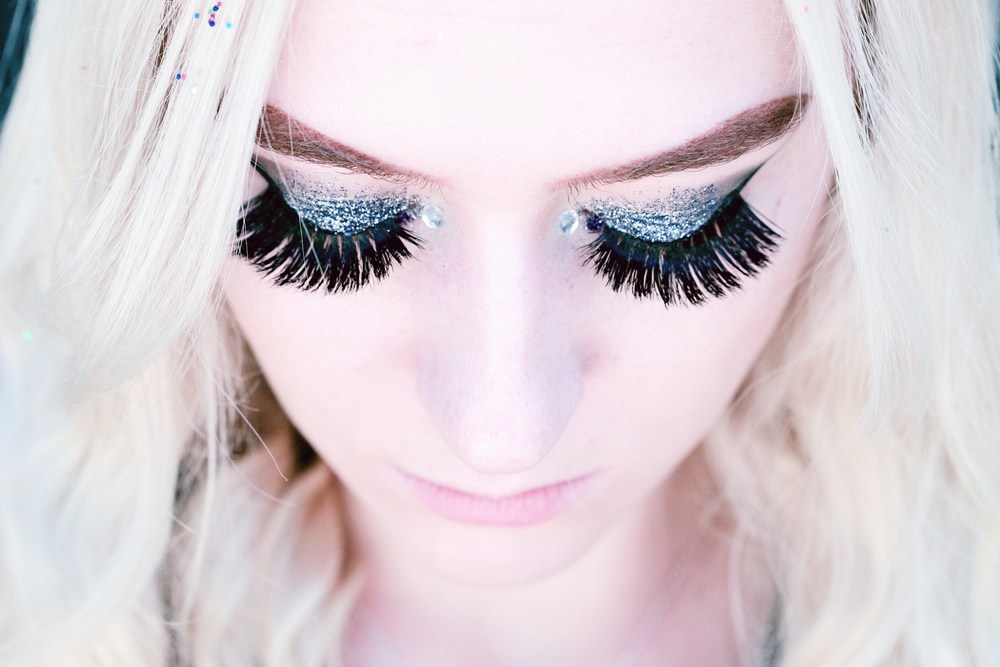
Silver Hair
Many women are embracing the look and are looking stunning with the look. when you go silver, you look modern and cool. Many celebrities have embraced the look and have come up gorgeous and no wonder more and more women are going for the look, want to know more? Read along.
Before you go for the colour, it is good to research and know what you are getting yourself into. Yes, it is trendy, and you will look good in the shade, but it is worth your hair loss, what is the current condition of your hair and is it ready for the transformation.
Once you answer the questions and you are confident you want the look, it is time to know what it entails. You just don’t go to the shop and buy a dye and apply. There are some laid down rules that you need to follow if you want to look good and maintain the look.
Step by step tutorial for a perfect silver look
Now that you are certain that you need the look, you need to know what you need to do to have the look. that means searching around and consulting if you must. The aim of all this is to make sure not only do you achieve the silver look but also be able to maintain it. here is what you need to follow.
-
Know what you want
Walking this journey need someone who knows what she wants. What shade do you want for your hair? That is because there are so many shades to choose from. This is where you need a specialist since you need the advice on what shade best suit your skin colour.
Getting the silver colour can be tricky. It involves a lot of efforts and sometimes you will not get it right. that is why you need a person who can guide you through the colour change, the products and the process. That will help you choose the shade that will compliment your look.
-
Start the preparation
This means you start preparing your hair. You need to nature your hair for the change, that means taking care of it and nourishing it with the necessary ingredients. That includes using a nourishing mask with or instead of conditioner to make sure that the hair is in perfect condition for the dye.
-
Go shopping
Once you have known what you want its time to go shopping. That is because you need the dye and if you must bleach your hair, you need to buy the best product for your bleaching process. If you have it done in the saloon, then you are lucky as you will find the products there. If you must do it yourself, you will need
- Some brush or s comb.
- Bleaching dye if you need to bleach.
- The silver dyes.
- Gloves for your hands.
- Applicator brush.
- Hair clips to hold your hair.
- Shampoo and conditioner.
Make sure you have all this assembled at one place to prevent messing around when looking for something. Once you have all this, you will be good to go.
-
Start with bleaching.
Unless you have blonde hair, you need to bleach your hair to form a good colour foundation for the dye. You need to make sure that your hair has the required colour to start up. That is why we mentioned that you may need to search or seek professional help if you are a first timer.
If you want to achieve a deeper steel grey and you have a dark natural hair, you need to bleach your hair so that it has a more of yellow undertone as the foundation. If you are looking to have a pale silver shade and you have a light hair, you need to bleach your hair to a pale blonde.
With the knowledge above, you need to read the bleach instructions then mix it well and apply portion by portion minding your scalp. After you are done, you need to wait for the required time them wash the bleach with shampoo and pat dry your hair.
-
Colouring process
The part you dye your hair is the intense one. That is because it involves a lot of attention and time to get it right. now that you have bleached your hair to the required foundation, its time you start with the dye process. Like all the other dye, you need to make sure you have a freshly washed unconditioned hair.
With your dye, you need to prepare according to the instructions keeping in mind the caution highlighted so as not to make a mistake. Before you start any process, protect yourself by covering with a towel and wearing gloves.
Apply the dye from the bottom part of the hair. Make sure you apply to evenly and once you are done with the lower part, do so eve on the upper part of your hair. You need to keep the dye for the recommended time then wash your hair.
When doing all this, remember for you to get your hair to the lightest shade, you need to use a tonner that lasts for at least 20 shampoos. So, you need to be ready for a lot of maintenance before you achieve the real colour that you want.
If you want a silver that is not too ashy, you need to maintain your undertone well. After you wash, you need to follow up with a brass neutralizing shampoo for a vibrant and glossy look. there you have it, you now have the silver hair that you so desired.
Now that you have the silver look, what is next? You need to know that is not the end of your hairdo. For you to maintain the silver look shining and gorgeous, you need a routine to ensure the silver colour stays intact until you decide otherwise. For you to do that you need to;
Use hair care product
You need to go back to the shop and buy hair care products for coloured hair. You need to know that coloured hair requires extra care and you can only do that by using the specialized product. A specialist at a beauty shop will guide you in this
Remember cheap is expensive. Never go for products that are cheap and promise a lot. Those products end up messing the dye and how your hair looks. invest and go for the best products and you will be sure to have a long-lasting silver look.
Shower with look warm water
If you have a tendency of washing your hair while n the shower, you need to make sure the water is warm and not hot. Hot water tends to make the hair dry and may cause breakage of the hair. While washing, use a shampoo that will best protect the colour.
Use heat protectants
Before you apply any hot toll on your hair. Is good to apply a heat protectant to protect your hair from the heat. I know you want to curl it up or make it smooth to show off your new strands, protect your hair from any heat to avoid breakage before any heating process.
Do regular touch-ups
If you are not fond of saloons and beauty parlours, its time you start getting used to it, you will need to make frequent trips to the saloon for some retouch and a little maintenance. That goes a long way in ensuring that your hair remains vibrant and the silver colour intact.
If you need a hair colour change, silver is the new trend to go for. Yes, it is tricky and can be tedious to get it right but with the right information and the right guidance, you can end up with a look that will leave all heads turning to have a glance at the gorgeous new you.