Clear Hair Gloss: Shine Goal, Processing Directions, and Upkeep

Direct answer: choose a clear hair gloss by formula and processing system, not by the word clear alone. Confirm whether it is a direct-deposit, oxidative, conditioning, salon, or ready-to-use format; follow its mixing, strand-check, application, timing, and rinsing directions; and expect a temporary shine or tone effect whose visibility and duration vary with starting hair, porosity, washing, heat, and other services.
Define clear for the exact formula
Clear can mean no intended pigment, a diluter for another shade, a transparent direct-deposit base, or an oxidative gloss with its own activator. These uses are not interchangeable. Read product identity, ingredients, required components, mixing, timing, and disposal. The FDA hair-products overview supplies cosmetics context without proving shine or compatibility.
Separate deposit from nondeposit intent
A nominally clear formula may still change apparent tone through surface coating, porosity differences, oxidation, or interaction with existing color. A formula designed only to add shine should not be used automatically as a shade diluter. Likewise, a clear mixer from one color system should not be combined with another brand or developer unless the exact system permits it.
Set a realistic shine goal
Decide whether the goal is smoother light reflection, a temporary conditioned finish, reduced dull appearance, tone refresh, or dilution of a compatible shade. No gloss can guarantee mirror shine on every base. Existing damage, mineral film, styling residue, curl pattern, lighting, and drying method all affect visible shine.
Map color and service history
Record permanent color, demi-permanent color, direct dye, henna, lightener, straightening, perming, smoothing, metallic-salt uncertainty, and recent heat. The hair-gloss selection guide helps organize color, shine, and fit without replacing the current product directions.
Use required compatibility and strand checks
Follow every allergy, strand, and compatibility check specified by the system at the stated timing. A strand check can reveal processing appearance, color shift, porosity grab, and rinse feel for that small section; it does not guarantee the whole-head result or rule out a later response. Do not skip checks because the product appears colorless.
Prepare tools and protect surfaces
Use the specified gloves, nonreactive bowl or applicator, clips, timer, towel, and surface protection. Keep clear formulas identifiable because they can resemble conditioner or other liquids. Never store a mixed oxidative formula, return it to the original container, or leave it where it can be mistaken for an ordinary hair product.
Mix only within one compatible system
Measure each required component in the stated ratio and sequence. Do not add shampoo, conditioner, oil, water, dye, developer, or another clear mixer unless the formula directs it. Substituting developer strength or estimating by eye can change processing and safety. Discard unused mixed material under the product and local directions.
Apply in controlled sections
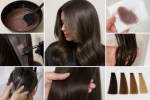
Follow wet-or-dry hair requirements and whether application begins at roots, lengths, ends, or resistant zones. Saturate only to the directed level and keep the mixture away from eyes, face, broken skin, clothing, and unintended surfaces. Long hair benefits from clean sections; the long-hair guide offers low-friction organization.
Control processing time
Start the timer at the point defined by the directions and do not extend it to force more shine. Room conditions, amount, section speed, and starting hair can change how application proceeds, but only the product directions define allowed adjustments. Stop for significant burning, swelling, breathing symptoms, or another concerning response and follow the directed response.
Rinse and complete aftercare exactly
Use the stated water temperature, rinse endpoint, shampoo step, conditioner, and post-color product. Check the hairline, nape, behind the ears, underside, and ends for residue. Do not add an acidic rinse or another gloss immediately unless the system directs the combination. Clean reusable tools under their material instructions.
Judge shine under repeatable light
Compare fully dried hair in the same indoor and daylight positions, without changing oil, serum, or heat-styling variables. Observe light reflection, tone, root-to-end consistency, rough areas, tangling, and transfer. The result may look different in photographs, direct sun, or freshly styled waves, so avoid a single lighting-based verdict.
Set duration and upkeep expectations
Gloss visibility can fade with washing, water temperature, cleanser, heat, sun, pool exposure, porosity, and starting color. The hair-color duration guide explains these variables. Follow the minimum repeat interval; do not reapply early solely because one lighting condition looks dull.
Review ingredient and hair boundaries
The FDA cosmetics-allergen guidance supports label review without predicting response. The AAD hair-care guidance supports careful chemical and heat handling without prescribing gloss. Stop for sores, hives, significant shedding, or worsening breakage and use appropriate guidance.
Decision table
| Question | Useful evidence | Stop or revise when |
|---|---|---|
| What does clear mean? | The exact formula’s deposit and mixing purpose | Colorless appearance is assumed nonreactive |
| Is it compatible? | Service history and required checks pass | Components or prior chemistry are uncertain |
| How long should it process? | The label interval from its defined start point | More time is used to force shine |
| How long will it show? | A range shaped by hair, washing, heat, and exposure | A permanent or fixed duration is expected |
Final checklist
- Deposit type, required components, and shine goal are explicit.
- Color and chemical-service history is reviewed.
- Required checks, mixing, tools, sections, and timing follow the system.
- Rinsing, dry-light comparison, wash timing, and upkeep are planned.
- Reaction, shedding, and worsening breakage are stop conditions.
Clear hair gloss is not one standardized formula. Identify the deposit and processing system, define a realistic shine task, preserve compatibility and timing, and judge the temporary result under consistent light before planning upkeep.