How to Evaluate a Beauty Supply Hair Store

Quick answer: Evaluate a beauty supply hair store by seller identity, product labels, sealed condition, storage, transparent prices, written returns, accessibility, and staff boundaries. This guide does not rank current local businesses or confirm live inventory. This independent editorial guide does not claim first-hand product testing, diagnose, prescribe, or guarantee a result.
Verify the business before planning a trip
Check the store name, physical address, phone, website, hours, and whether listings agree. For online ordering, review domain spelling, secure checkout, contact information, shipping origin, and complaint patterns. A social profile or map pin alone does not establish the seller behind a payment page.
Call when a specific service matters, such as wheelchair access, parking, curbside pickup, professional-only products, shade matching, or electrical-tool returns. Hours and inventory change. Record who supplied the information and when rather than treating this evergreen guide as a live directory.
Inspect product identity and seals
Before buying, compare the exact brand, product line, shade or size, ingredient declaration, directions, warnings, lot or batch details when present, and manufacturer contact. Look for intact seals, readable labels, consistent packaging, and no leaks, swelling, contamination, or unexplained relabeling.
A store cannot make an unlabeled cosmetic verifiable by verbally naming it. Avoid open jars, damaged electrical tools, used applicators, or products missing required directions. If authenticity is uncertain, compare with the manufacturer's current authorized channels and packaging guidance.
Observe storage and tester hygiene
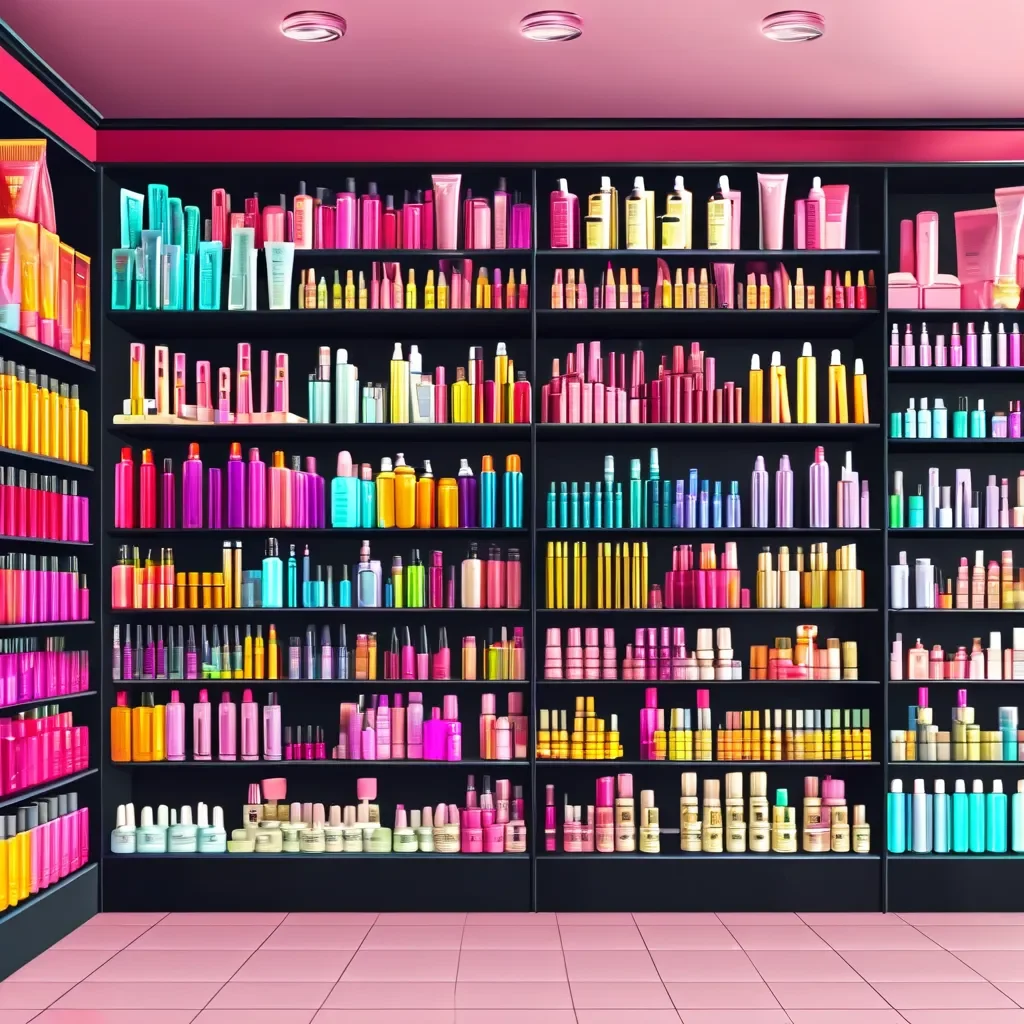
Cosmetics, adhesives, wigs, extensions, and electrical tools have different storage needs. Note excessive heat, direct sun, moisture, dust, opened cartons, leaking bottles, and products placed where customers can contaminate them. Tester availability is not useful when applicators and surfaces are not managed hygienically.
Do not apply shared eye or lip testers directly. Ask for single-use applicators and a clean method when testing is permitted. A tester result also cannot guarantee tolerance, final color, or wear. Keep reactions and hygiene separate from the convenience of seeing a shade.
Compare selection by task, not shelf size
A useful assortment includes the exact formula, shade range, replacement parts, removers, compatible tools, and directions needed for the customer's task. Hundreds of near-duplicate products are less helpful when labels cannot be compared or staff cannot locate the right category.
Bring a written list with product type, body area, formula limits, size, color reference, tool voltage, and maximum total cost. Mark acceptable alternatives before entering. This reduces impulse substitutions that do not match a lamp, developer, extension texture, or removal method.

Keep staff advice within its boundary
Employees can help locate products, explain store policies, and point to manufacturer directions. They should not be treated as diagnosing scalp disease, acne, allergy, nail infection, hair loss, or another medical condition. Product popularity is not clinical evidence.
Ask staff to show the label or official specification behind a compatibility statement. For professional chemical systems, confirm qualification and instructions rather than relying on an improvised mixing ratio. Leave the decision unresolved when the store cannot verify a material fact.
Calculate the full basket cost
Include product quantity, developer or activator, applicators, gloves, protective supplies, remover, replacement parts, tax, shipping, membership, and travel. A lower sticker price can cost more when a small package cannot complete the service or a required component is missing.
Compare unit size and usable applications, not only crossed-out prices. Coupons, bundles, and limited-stock messages can change. Recheck the total at checkout and keep a screenshot or receipt. Do not buy an incompatible item merely to preserve a discount.
Read returns before opening anything
Opened cosmetics, clearance items, wigs, hair extensions, electrical tools, professional chemicals, and personalized shades may have different return limits. Ask for the written policy, deadline, receipt requirement, restocking fee, and whether online and store purchases use the same process.
Inspect the item before leaving and document damage promptly. Keep packaging and receipts until compatibility and condition are confirmed. A verbal exception is harder to rely on than written terms. Do not open a sealed product solely to inspect it when doing so makes it nonreturnable.
Assess accessibility and shopping conditions
A store's usefulness includes aisle width, lighting, readable prices, staff availability, language support, parking or transit, noise, queue time, and ability to inspect products without pressure. These details can matter more than a larger inventory for a time-limited or mobility-constrained visit.
Plan a lower-traffic time when careful label comparison is needed. Keep personal information and payment secure at checkout. For online purchases, follow FTC guidance on seller checks, payment protections, shipping promises, and dispute documentation.
Use a repeatable store scorecard
After the visit, record seller verification, label quality, seal condition, storage, staff evidence, total cost, returns, accessibility, and whether the exact task was completed. Separate objective observations from one employee interaction or a single product result.
A store can be appropriate for one category and weak for another. Recheck facts before future purchases because staff, policies, stock, and ownership can change. The goal is a transparent, inspectable transaction, not a permanent endorsement or local ranking.
Evaluate a store with a repeatable scorecard
Build a short scorecard before browsing: exact category, acceptable brands or ingredient constraints, package size, return needs, delivery deadline, and total budget. Then compare product identity, authorized-seller information, stock status, shipping terms, and return exclusions in the same order at each store. This keeps a prominent discount banner from outweighing missing product details.
Save the product page, order confirmation, seller name, and support channel until the item has been inspected. When an order arrives, compare seals, labeling, shade or size, lot information, and directions with the listing before use. Report a mismatch through the retailer's documented process and retain photographs of the package when a return or marketplace dispute may be needed.
Treat local and online inventory differently
A store locator or product page may not reflect shelf inventory at the moment of travel. Call the listed branch when a specific item matters, ask staff to confirm the exact brand, shade, size, or model, and learn the hold policy. For online orders, distinguish the retailer from a third-party marketplace seller and verify who handles fulfillment, returns, and complaints.
Related Beauty Supply Reviews guides
Editorial sources
- https://consumer.ftc.gov/articles/online-shopping
- https://www.fda.gov/cosmetics/resources-consumers-cosmetics/using-cosmetics-safely