Wig Buying Guide: Fit, Fiber, Comfort, and Styling Checks

A good wig buying decision starts with fit, fiber, comfort, and care, not with the loudest sales headline. Use this guide to compare cap construction, synthetic versus human hair, density, parting, styling limits, seller details, and source-backed label checks before buying.
Quick Answer: How to Choose a Wig
Choose a wig by matching cap fit, fiber type, density, parting style, hairline finish, daily comfort, styling limits, care routine, and seller terms. Start with fit and wear time, then compare texture, color, length, and upkeep. This guide is independent editorial guidance, not proof that a specific wig was tested by Beauty Supply Reviews.
| Decision | What to check | Why it matters | Good fit when |
|---|---|---|---|
| Cap fit | Circumference, straps, combs, and pressure points | Comfort decides whether the wig is wearable | You plan daily or long wear |
| Fiber | Synthetic, heat-friendly synthetic, or human hair | Fiber affects styling, price, and care | You know how much upkeep you want |
| Density | Light, medium, or fuller finish | Density changes realism, weight, and volume | You compare photos to your usual style |
| Parting | Fixed part, free part, lace front, or closure area | Parting controls styling flexibility | You want a specific hairline or part |
| Care | Wash, dry, brush, and storage instructions | Care needs decide long-term use | You can follow the label directions |
Use Case Comes First
The same wig can feel different depending on why you need it. A weekend style, daily work style, protective-style break, costume look, and salon install each ask for different fit, fiber, and care choices. Decide the use case before comparing colors or length.
| Use case | Wig direction | Check before buying | Skip when |
|---|---|---|---|
| Daily wear | Comfort-focused cap and natural density | Adjustability, weight, and parting | The cap feels tight during a short try-on |
| Occasional style | Color or length change with simpler care | Photo accuracy and fiber shine | You need frequent heat styling |
| Protective-style break | Breathable cap and low-tension fit | Edges, comb placement, and under-wig prep | The install pulls at the hairline |
| Event look | Defined shape, color, or curl pattern | Delivery timing and return window | The seller photos do not show the hairline |
| Salon install | Lace, closure, or frontal matched to the style | Ask the stylist which cap works | The cap construction does not suit the plan |
Cap Construction and Fit
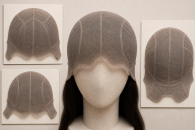
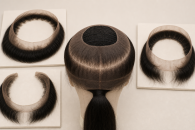
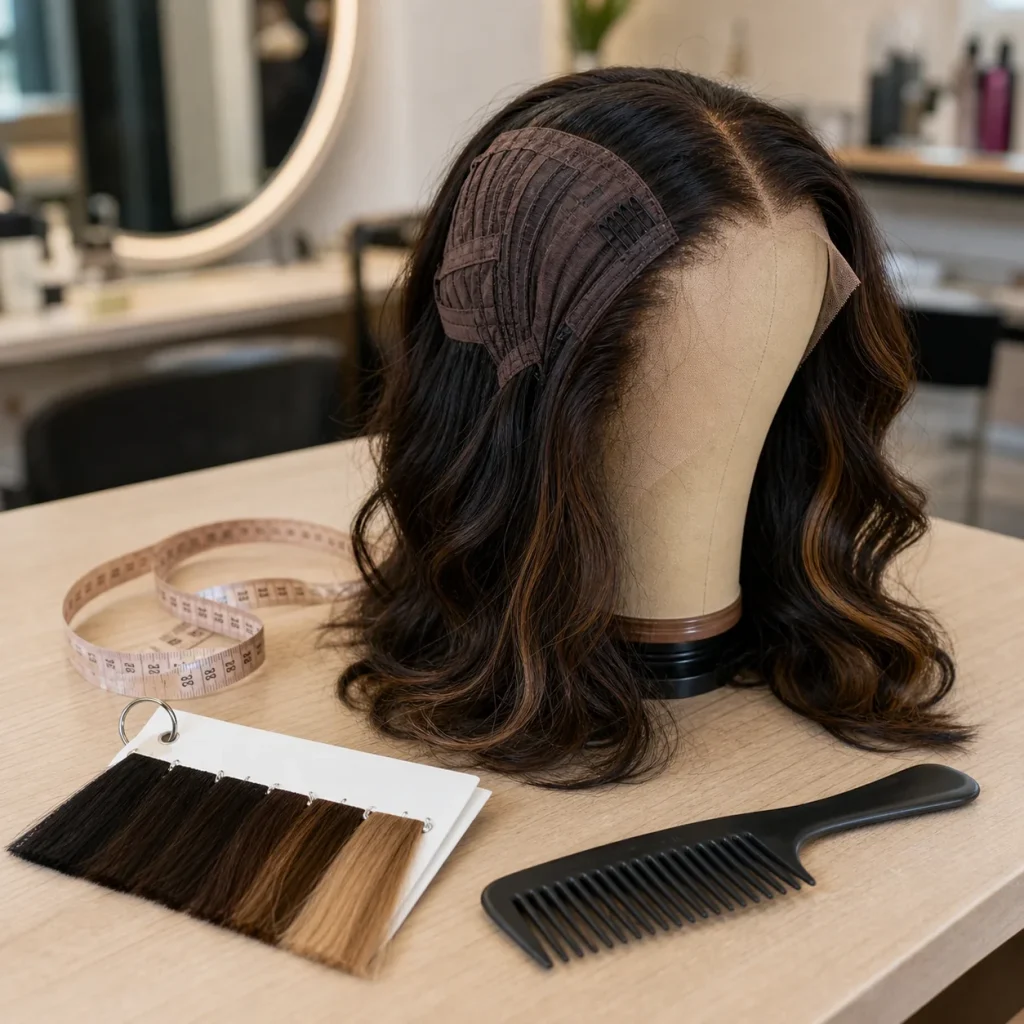
Cap construction affects comfort, parting, and how the hairline looks. Measure your head before buying, then compare the seller’s size chart with your actual wear time. A cap that feels acceptable for five minutes may feel wrong after a full day.
| Cap type | Strength | Tradeoff | Fit note |
|---|---|---|---|
| Basic cap | Usually lower cost and simple upkeep | Less parting flexibility | Check straps and comb placement |
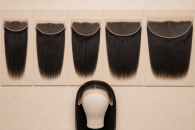
| Lace front | More natural-looking front hairline | Lace handling and trimming may be needed | Check lace color and edge comfort |
| Closure wig | Defined parting area | Less free parting than full lace | Match part location to your style |
| Full lace | More styling flexibility | Higher upkeep and higher price | Needs careful handling |
| Headband wig | Fast wear and less hairline work | Headband controls the front look | Check band comfort and slip |
Fiber Type: Synthetic, Heat-Friendly, or Human Hair
Fiber type changes the whole routine. Synthetic hair often keeps its preset style with lower upkeep. Heat-friendly synthetic may allow limited tool use when the label says so. Human hair offers more styling flexibility, but it can cost more and needs more care.
| Fiber | Best for | Care level | Check carefully |
|---|---|---|---|
| Synthetic | Preset style, lower upkeep, budget control | Lower to medium | Heat limits and shine level |
| Heat-friendly synthetic | Small styling adjustments | Medium | Exact temperature limit on label |
| Human hair | More styling flexibility and natural movement | Medium to high | Origin, processing, texture, and care directions |
| Blend | Mixed budget and styling needs | Medium | Which fibers are included |
Density, Length, and Color Checks
Photos can make density, length, and color look different from real wear. Compare multiple images, look for indoor and daylight photos, and read the seller’s description for density percentage, length measurement, and color naming. A natural-looking wig often comes from matching proportion, not from choosing the fullest option.
| Detail | What to compare | Why it matters | Practical check |
|---|---|---|---|
| Density | Light, medium, fuller | Controls volume and weight | Compare side and back photos |
| Length | Measured stretched or in curl pattern | Curls and waves appear shorter | Read how length is measured |
| Color | Shade name, undertone, and root color | Screen colors vary | Look for daylight images |
| Texture | Straight, wavy, curly, coily | Changes care and fullness | Match to your styling habits |
| Hairline | Pre-plucked, lace type, baby hairs | Controls front realism | Look for close-up hairline photos |
Comfort and Tension Checks
AAD guidance on hairstyles that pull makes tension worth checking with wigs, weaves, extensions, and under-wig styles. The goal is a comfortable fit that does not rely on constant pulling, tight combs, or heavy adhesive use. If a style feels wrong at the hairline, adjust the plan before wearing it longer.
| Area | Check | Better sign | Change the plan when |
|---|---|---|---|
| Hairline | Combs, lace, band, and adhesive area | No sharp pressure | You feel pulling quickly |
| Crown | Cap height and inner seams | Cap sits flat without pressure | The cap shifts or pinches |
| Nape | Straps and lower combs | Secure but not tight | The nape area feels sore |
| Under-wig hair | Braids, wraps, or stocking cap | Flat and comfortable base | The base creates bumps or pulling |
| Wear time | Short test before long use | Comfort stays steady | Comfort drops after a short period |
Wigs vs Weaves vs Extensions
Wigs, weaves, and extensions solve different styling problems. A wig covers the full head with one unit. A weave or sew-in attaches added hair through an install method. Clip-in, tape-in, halo, and other extensions add length or volume while leaving more of your own hair visible.
| Choice | Use when | Fit check | Related guide |
|---|---|---|---|
| Wig | You want a full style change in one unit | Cap size, hairline, and weight | This guide |
| Weave or sew-in | You want an installed style with added hair | Braid pattern and tension | Hair extensions guide |
| Clip-in extensions | You want temporary length or volume | Clip comfort and color blend | Sally extension guide |
| Beauty-supply extensions | You compare local or online hair options | Texture, length, and care directions | Hair Crown extension guide |
Styling Tools and Products
Styling choices depend on fiber. Human hair can usually handle more styling than synthetic hair, but every product still needs label and care-direction checks. Synthetic wigs should not be treated like human hair unless the seller directions say the fiber allows that method.
| Need | Product or tool direction | Check first | Related guide |
|---|---|---|---|
| Curl shape | Light mousse or curl product if the fiber allows it | Care label and residue | Curly hair mousse guide |
| Drying after wash | Air-dry or low airflow based on directions | Fiber and cap instructions | Hair dryer guide |
| Smoothing | Heat only when the label allows it | Temperature limit | Use a small hidden section first |
| Hold | Light spray or foam if compatible | Build-up and finish | Wash according to directions |
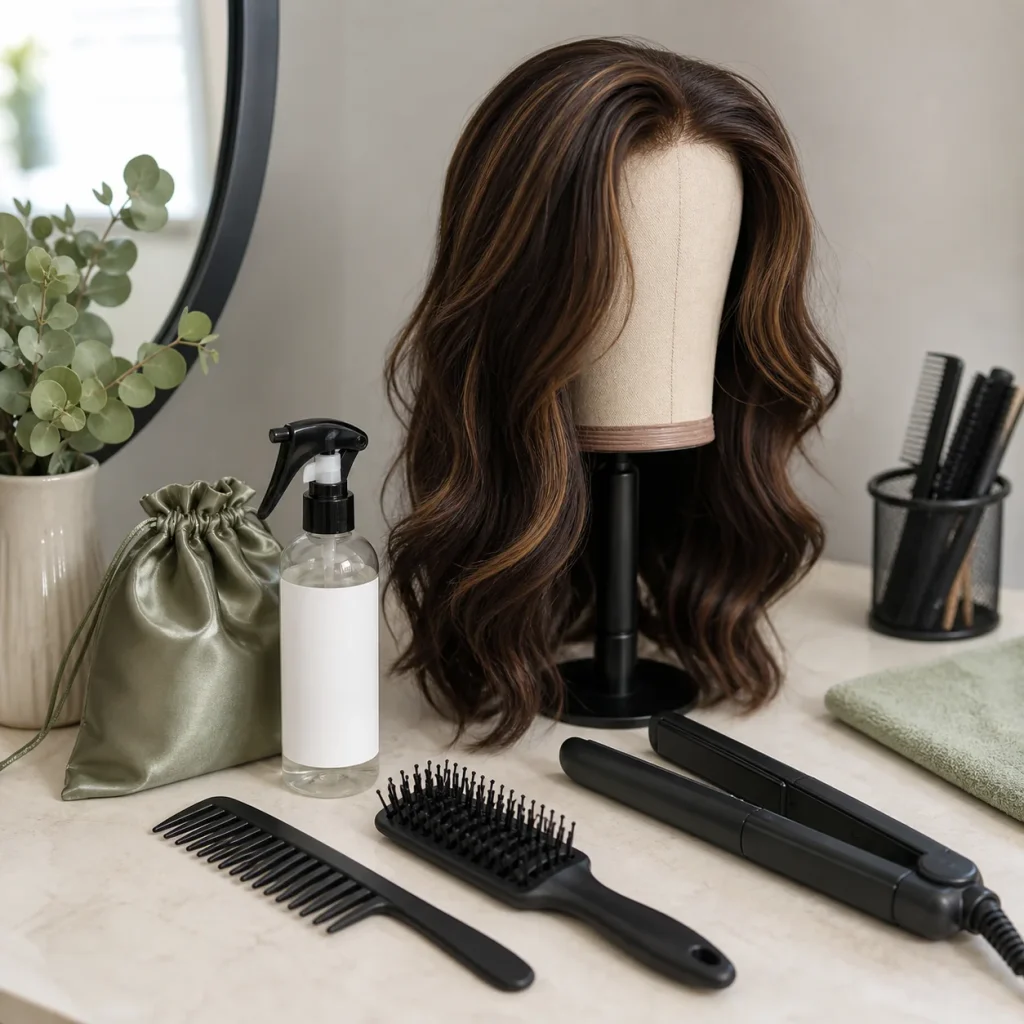
| Storage | Stand, satin bag, or original packaging | Shape and tangling | Keep away from heat and crushing |
Seller Listing Checklist
Do not judge a wig listing by headline claims alone. Compare the full description, images, fiber wording, size chart, care directions, buyer terms, and contact path before ordering. If a page does not show enough detail, pick a listing with clearer documentation.
- Does the listing name the fiber clearly?
- Does it show the cap construction and inside of the wig?
- Does it provide size details or adjustable-cap notes?
- Does it explain heat limits and washing directions?
- Does it show the hairline close up?
- Does it explain how color may vary by screen or batch?
- Does it state the time window for changing your mind?
- Does it show enough photos to compare density and length?
Label and Source Boundaries
FDA has a wig policy guide and separate cosmetic authority guidance. FTC guidance also matters when fiber or textile claims are used. For shoppers, the practical rule is simple: read labels, seller descriptions, and care directions carefully, and do not read marketing wording as proof of fiber, origin, or performance.
| Source area | What it helps with | Shopping takeaway |
|---|---|---|
| FDA wig guidance | Wig classification context | Wigs are not judged like ordinary blog claims |
| FDA cosmetic authority | Cosmetic label and claim boundaries | Check what products claim to do |
| FTC textile guidance | Fiber and textile labeling | Read fiber wording before comparing price |
| AAD hair-tension guidance | Pulling and comfort context | Fit should not depend on tight wear |
Common Mistakes
- Choosing length before checking cap fit.
- Assuming all synthetic hair can handle hot tools.
- Ignoring density and then finding the wig too full or too flat.
- Buying from photos that do not show the hairline.
- Using heavy styling products without checking fiber directions.
- Keeping a wig that feels tight during a short try-on.
- Comparing price without checking fiber, lace, and construction details.
Sources
- AAD: hairstyles that pull
- AAD: weave and extension comfort checks
- FDA: wigs policy guide
- FDA: cosmetic authority
- FTC: textile and wool labeling requirements
FAQ
What should I check first before buying a wig?
Check cap size, cap construction, fiber type, density, and how long you plan to wear it. Fit and comfort should come before color and length.
Is synthetic or human hair better for a wig?
Synthetic hair is often simpler for preset styles, while human hair usually offers more styling flexibility. The better choice depends on budget, upkeep, and label directions.
How tight should a wig feel?
A wig should feel secure without sharp pressure at the hairline, crown, or nape. If it pulls quickly during a short try-on, adjust the cap or choose a different construction.
Do lace-front wigs always need adhesive?
No. Some lace-front wigs can be worn with straps, bands, or combs, depending on the cap and style plan. Follow the seller directions and your comfort needs.
Can I use hot tools on a synthetic wig?
Only use heat when the label or seller directions say the fiber is heat-friendly and gives a temperature limit. Standard synthetic hair may change shape under heat.
How do I choose wig density?
Choose density by the finish you want and the weight you can comfortably wear. Medium density is often easier for daily use than the fullest option.
What is the difference between a wig and a weave?
A wig is a full unit worn on the head, while a weave adds hair through an install method. They have different fit, care, and tension checks.
How should I store a wig?
Store it in a way that keeps the shape, reduces tangling, and follows the care directions. A stand, satin bag, or original packaging can work depending on the wig.
Should I buy a wig from a beauty supply seller or a brand site?
Either can work if the listing gives enough fiber, cap, care, image, and buyer-term details. Clear documentation matters more than the sales headline.