Glow Beauty Hair Brush: Material and Use Guide

Quick answer: The Glow Beauty Detangling Brush uses stainless-steel bristles, a cushioned base, and a drainage opening. Judge fit by pressure, scalp comfort, hair density, tangles, extensions, wet-use routine, cleaning, and return terms. This independent editorial guide does not claim first-hand testing, a personal salon visit, or universal outcomes.
Start with the current product construction
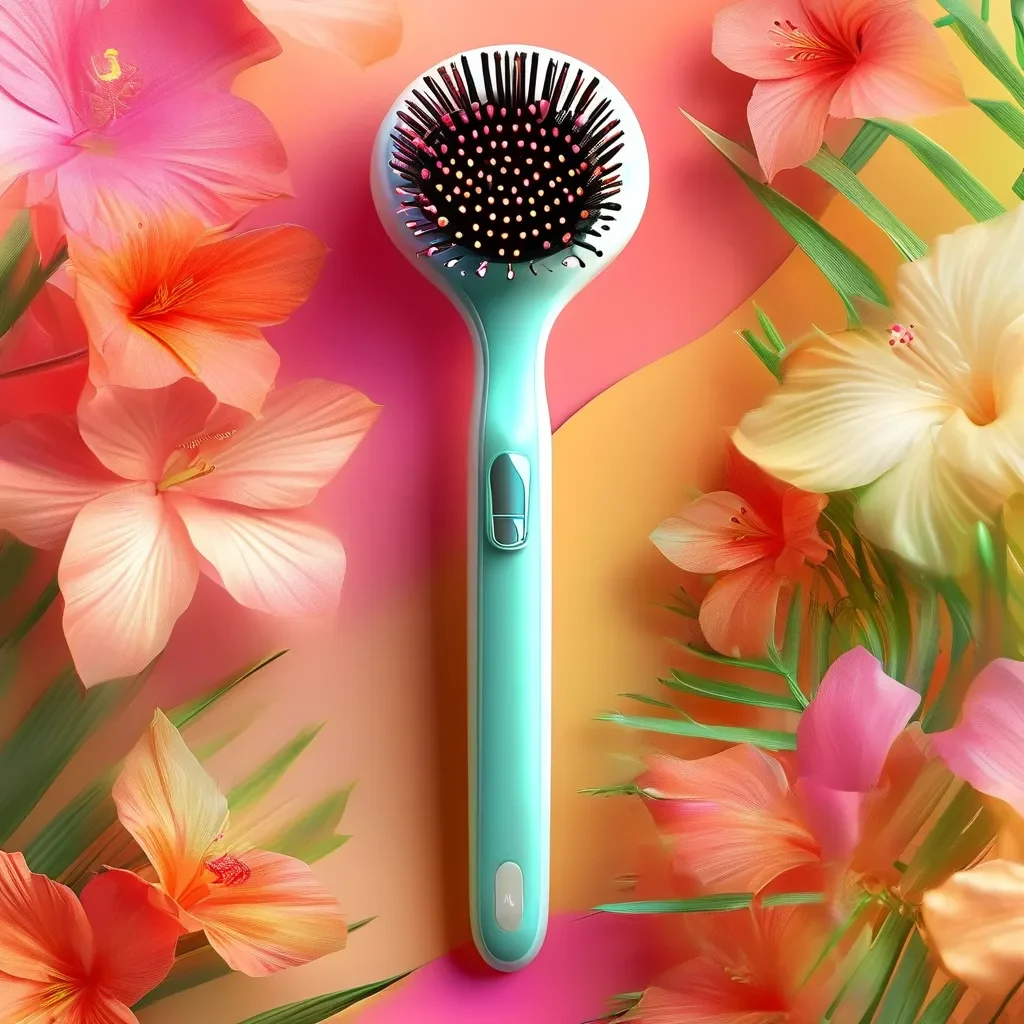
The first-party page describes stainless-steel bristles, a cushioned air base, a lightweight handle, and an intentional drainage opening. Confirm the exact model and color because a brand can sell multiple brush types. The drainage gap should not be mistaken for a missing bristle, but any other loose, bent, sharp, corroded, or unstable component is a reason to stop use and contact the seller.
Keep performance language attributed
The manufacturer describes detangling, scalp massage, wet or dry use, oil distribution, extension use, and reduced snagging. These are brand claims, not results independently tested by this page. Hair density, curl pattern, strand condition, knot severity, pressure, section size, and extension method can change the experience. Compare the construction and directions with your routine rather than treating a rating as proof.
Use pressure as the main control
Metal bristles do not compress like every plastic design, so begin with light pressure. Hold the section above a tangle, start at the ends, and work upward in short passes. Do not scrape the scalp or force the brush through a resistant knot. Separate severe tangles with fingers and add appropriate slip when needed. Pain, scratching, or repeated snapping is a stop signal, not evidence that the brush is working deeply.
Decide whether wet brushing fits the hair
Water changes hair elasticity and friction, and damaged hair may be more vulnerable when wet. Follow the product directions while using enough conditioner or detangling slip for the hair and starting at the ends. Do not pile loose hair into a dense knot. If wet brushing increases stretching or breakage, compare a wide-tooth comb, finger detangling, smaller sections, or partial drying instead.
Protect extensions and attachment points
Extension-safe language does not remove the need to identify the extension method. Tape, bonds, beads, wefts, clips, lace, and natural-hair anchor points require different clearance. Support the hair, avoid catching or lifting attachments, and follow the installer's care directions. Stop when the brush pulls at an attachment or creates scalp tension. Ask the installer before using an unfamiliar metal-bristle tool near the method.
Treat scalp claims cautiously
A brush can create a massage sensation and lift loose surface material, but it should not be presented as a treatment for dandruff, buildup disorders, follicle blockage, hair loss, infection, or impaired growth. Avoid use on broken, inflamed, painful, sunburned, or recently treated skin. Persistent flakes, sores, drainage, patchy loss, or pain needs assessment rather than harder or more frequent brushing.
Clean without trapping moisture
Remove shed hair after use. Follow the seller's directions for a deeper clean and avoid soaking components that are not designed for immersion. Use a small amount of suitable cleanser, rinse the permitted parts, shake out excess water, and let the brush dry fully in a ventilated position. The drainage opening helps water leave the cushion but does not replace cleaning or complete drying. Do not share a personal brush.
Compare value without relying on ratings
Consider handle comfort, weight, bristle spacing, cushion movement, replacement support, cleaning effort, shipping, and return terms. Reviews can reveal recurring fit issues but cannot predict scalp comfort or breakage for a different user. Inspect the received item before use and keep packaging until fit is confirmed. Verify the seller, specification, price, and terms at purchase because listings can change.
Compare a lower-commitment alternative
Before buying or booking, identify an alternative that solves the same task with less cost, chemical exposure, tension, heat, installation, or maintenance. That may be a consultation without service, a sample size, a simpler tool, a temporary style, or continued use of an existing item. Compare the exact tradeoffs rather than assuming the branded option is the default. A useful commercial guide should help a reader decide not to purchase when the specification or service does not fit.
Run a controlled first-use or first-visit check
Change one main variable at a time and follow the identified directions. For a product, inspect the package, record the variant, and begin with the smallest practical use. For a service, confirm the plan before work starts and approve changes explicitly. Observe comfort, handling, residue, fit, tension, irritation, and whether the result supports the original task. Do not add extra products or procedures merely to rescue a poor fit.
Define stop conditions in advance
Stop for unexpected pain, burning, swelling, hives, broken skin, breathing symptoms, significant pulling, device damage, contaminated packaging, an unidentified seller, or a material specification that differs from the order. Contact the seller or provider for ordinary product and service issues, and seek appropriate medical help for significant symptoms. A refund or redo policy does not replace health, safety, or product-use limits.
Review the decision after real routine use
Evaluate whether the item or service remains practical after cleaning, storage, repeat handling, styling time, follow-up, and ordinary maintenance. Record what worked, what did not, and which claim came from the brand rather than your observation. One use cannot establish durability or long-term effect. Recheck the official page before repurchase or rebooking, especially when the formula, model, staff, service menu, terms, or care instructions may have changed.
Use a written verification checklist
Record the exact product or location, the source page used, the specification or service selected, relevant warnings, the seller or provider, and the date checked. Separate manufacturer statements from independent observations and from questions that remain unanswered. Confirm material facts again before purchase or booking because formulas, services, variants, staff, prices, stock, policies, and web pages can change. Stop when the entity or item cannot be identified reliably.
Related Beauty Supply Reviews guides
Continue with this related guide and this next-step guide. These links support reader navigation and do not prove a brand, product, service, or outcome claim.
Editorial sources
- https://glowbeautyhair.com/products/glow-beauty-hair-brush
- https://www.aad.org/public/everyday-care/hair-scalp-care/hair/healthy-hair-tips
Editorial boundary
Availability, specifications, ingredients, service menus, credentials, policies, and pricing must be confirmed with the identified seller or provider. Brand language and customer reviews are not independent proof. This page does not establish medical treatment, product superiority, professional suitability, or the result a particular reader will receive.