Best Cream Eyeshadow: Formula, Finish, and Wear Guide

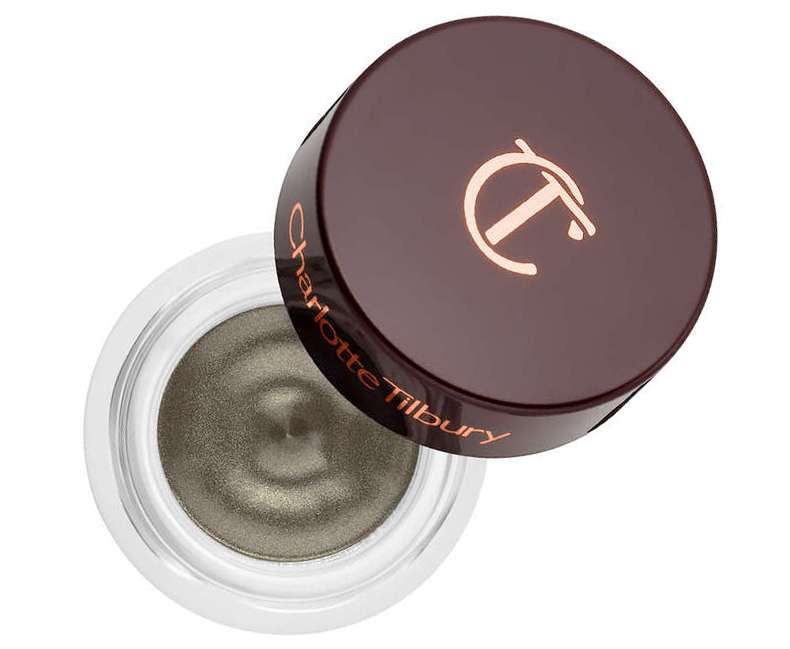
The best cream eyeshadow is the formula that matches your lid type, finish goal, tool preference, and eye-area label directions. A pot cream, shadow stick, liquid shimmer, and cream-to-powder shadow can all work well, but they solve different problems. Choose by texture and use case before comparing colors.
Quick Answer: How to Choose Cream Eyeshadow
Choose cream eyeshadow by formula format first, then finish, dry-down speed, removal needs, and whether the product is meant for the eye area. For daily makeup, a thin cream-to-powder or shadow stick is usually easier than a heavy glitter cream. For a soft look, use one sheer layer and blend the edge before it sets.
| Formula type | Best fit | Why shoppers choose it | Watch out for |
|---|---|---|---|
| Pot cream shadow | Soft lid wash and controlled layering | Easy to tap on with a fingertip or brush | Can dry out if the jar is left open |
| Shadow stick | Fast daily makeup and travel bags | Portable, direct placement, less mess | Edges may set quickly, so blend right away |
| Liquid cream shadow | Metallic or high-shine lid color | Strong shine with a small amount | Too much product can crack or gather |
| Cream-to-powder shadow | Longer wear with a softer finish | Sets down more than a glossy cream | Can patch if layered over heavy skin care |
| Soft matte cream | Natural depth, crease color, or base shade | Less shine and more shape control | Dry mattes need thin, even layers |
| Glitter or sparkle cream | Small accent placement | Adds visible reflection quickly | Check eye-area directions and avoid loose fallout |
Best Cream Eyeshadow by Use Case
A useful cream eyeshadow page should help you match the formula to the situation, not push one universal winner. Start with the way you will wear it most often.
| Use case | Better choice | Why | Pair it with |
|---|---|---|---|
| Beginner one-shadow look | Neutral shadow stick or cream-to-powder pot | Easy placement and fewer blending steps | Clean fingertip or flat synthetic brush |
| Oily lids | Thin cream-to-powder formula | Less slip than glossy creams | Light primer only if it works with the formula |
| Dry-looking lids | Satin cream or soft shimmer | Looks smoother than very powdery matte shadow | Minimal skin care residue before makeup |
| Hooded eyes | Fast-setting stick or thin matte cream | Helps keep color close to the lid shape | Blend while looking straight ahead |
| Bright color accent | Small tube or stick in one bold shade | Controls where the color sits | Neutral powder shadow around the edge |
| Evening shimmer | Liquid or metallic cream shadow | Reflective finish without several powder layers | Apply before base makeup if fallout is likely |
Finish and Color Direction
Finish changes how cream eyeshadow reads on the lid. Matte adds shape, satin looks soft in daylight, metallic draws attention to the center lid, and sparkle should stay controlled near the eye area.
| Finish | Best for | Good colors to compare | Application note |
|---|---|---|---|
| Matte cream | Crease depth or a quick base shade | Taupe, soft brown, plum, muted rose | Use less product and blend the edge early |
| Satin cream | Daily lid color | Champagne, bronze, mauve, cocoa | Tap one sheer layer over the mobile lid |
| Metallic cream | Center-lid brightness | Copper, gold, rose gold, pewter | Press instead of sweeping to keep shine even |
| Sheer tint | Minimal makeup days | Beige, peach, soft pink, gray-brown | Use fingers for a quick diffused edge |
| Sparkle topper | Accent over another shade | Clear sparkle, bronze sparkle, pink sparkle | Keep placement small and read label directions |
Shopping Checklist
Before buying, check the product format, label, color payoff, dry-down, and how easy it is to remove. A cream shadow that looks good in a swatch may still be hard to control on the eyelid.
| Check | Good sign | Risk signal | Why it matters |
|---|---|---|---|
| Eye-area labeling | Directions clearly support eye-area use | Multi-use color with unclear eye placement notes | FDA eye-cosmetic guidance stresses intended use |
| Texture | Spreads thinly without clumps | Thick product that skips on the lid | Thin layers are easier to blend |
| Dry-down speed | Enough time to soften edges | Sets before you can blend | Fast formulas need smaller sections |
| Container type | Cap seals tightly and product stays clean | Old open jar or shared tester | Cream products touch tools and fingers |
| Removal | Comes off without heavy rubbing | Leaves gritty sparkle or sticky residue | Eye-area skin needs careful removal |
| Color additives | Product is made for the intended cosmetic use | Craft glitter, paint, or non-cosmetic pigment | Color additives must be allowed for their use |
Eye-Area Use and Hygiene
The FDA publishes eye-cosmetic guidance because eye makeup can involve applicator injury, contamination, and color-additive issues. Cream eyeshadow also needs basic hygiene because pots, sticks, and applicators can touch hands, brushes, and eyelids. The AAD advises regular makeup brush cleaning and replacing old makeup when it changes or expires.
- Wash hands before using fingers in cream shadow pots.
- Use clean brushes or applicators around the eye area.
- Do not share cream eye products or use old testers directly on the eyelid.
- Keep cream shadow out of the waterline unless the label clearly supports that placement.
- Avoid craft glitter, paint, markers, or non-cosmetic pigments near the eyes.
- Replace cream formulas that dry out, separate, smell different, or change texture.
How This Page Fits With Other Eye Makeup Guides
Use this page for cream eyeshadow buying and formula selection. For technique, use the cream eyeshadow application guide. For a broader texture and finish overview, use the cream eyeshadow guide. For powder color payoff, use the pigmented eyeshadow guide. For eye-area label checks, use the sensitive-eye eyeliner formula guide.
Sources
- FDA: Eye Cosmetic Safety
- FDA: Makeup
- FDA: Color Additives and Cosmetics Fact Sheet
- AAD: When to replace makeup and sunscreen
- AAD: How to clean makeup brushes
FAQ
What is the easiest cream eyeshadow for beginners?
A neutral shadow stick or cream-to-powder pot is usually easiest because it places color quickly and can be blended with a fingertip or flat brush. Start with a thin layer and soften the edge before adding more.
Is cream eyeshadow better than powder eyeshadow?
Cream eyeshadow is better for quick lid color, satin shine, and one-shadow looks. Powder eyeshadow is often easier for detailed blending, multiple shades, and very soft crease work. Many routines use both formats.
Can cream eyeshadow work on oily lids?
It can, but thin layers matter. Choose a cream-to-powder or fast-setting texture, keep heavy skin care off the lid before makeup, and test whether primer helps or makes the formula patchy.
Should cream eyeshadow go on before or after powder shadow?
Use cream first when it is the base color or main lid shade. Add powder only after the cream layer has settled. Putting cream over powder can lift or patch the earlier layer.
When should cream eyeshadow be replaced?
Replace cream eyeshadow when it changes smell, texture, color, or performance, or when the container directions say it is expired. Cream formulas should also be closed tightly and kept clean between uses.